
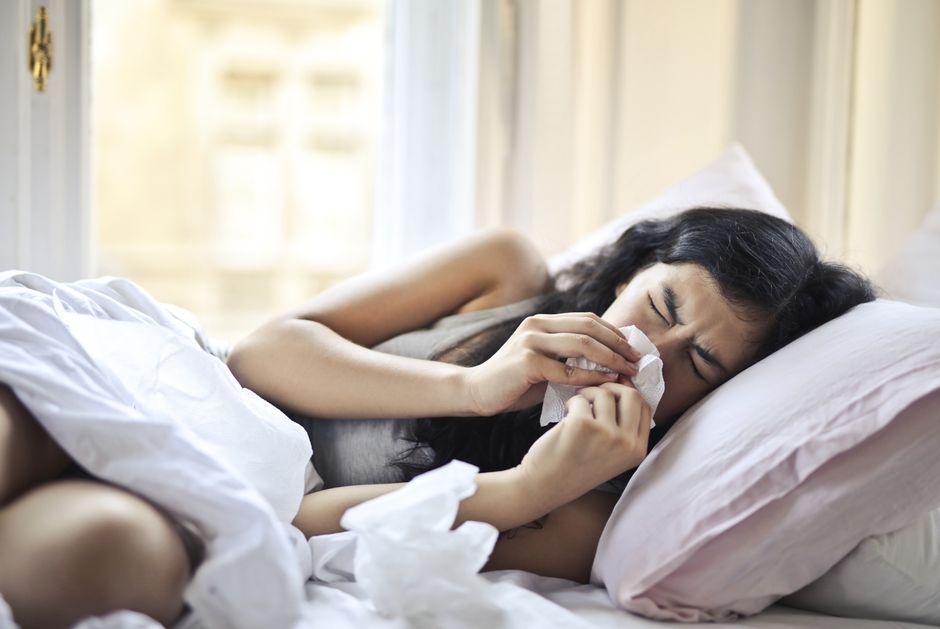
Allergies are an overreaction of your immune system to a harmless substance like pollen or dust. You cannot “cure” allergies permanently, but you can manage them effectively so symptoms stop interfering with your life. The most reliable path involves avoiding triggers, using proven medical treatments, and making targeted lifestyle changes that reduce your body’s inflammatory response.
What Causes an Allergic Reaction?
Your immune system treats a harmless protein as a threat. When you breathe in pollen or touch pet dander, your body releases histamine and other chemicals. These chemicals cause sneezing, itching, a runny nose, and watery eyes.
This response is not random. It depends on your genetics and your environment. You are more likely to develop allergies if they run in your family. But exposure matters too. You can develop a new allergy at any age, even if you never had one before.
Understanding this mechanism matters because it explains why no single remedy “cures” allergies. The immune system has learned to react this way. Treatment focuses on calming that reaction, not erasing the memory of it.
Can You Really Get Rid of Allergies Forever?
No. There is no natural method that permanently eliminates allergies. Be wary of anyone who claims otherwise. The immune system’s tendency to overreact does not simply disappear with a supplement or a diet change.
However, you can achieve long-term remission. Many people go years without significant symptoms by combining avoidance strategies with consistent treatment. For some, allergy symptoms fade with age. For others, they shift or worsen over time.
The closest thing to a permanent solution is allergen immunotherapy, commonly known as allergy shots or sublingual drops. This treatment gradually exposes your immune system to increasing amounts of the allergen. Over time, your body learns to tolerate it. This is the only treatment that modifies the underlying allergic disease rather than just managing symptoms.
How To Get Rid Of Allergies Naturally Forever: What Actually Works
The honest answer is that “natural” methods cannot permanently cure allergies. But several natural approaches genuinely reduce symptom severity. They work best when combined with conventional treatment, not instead of it.
Saline nasal rinses are one of the most effective natural options. Rinsing your nasal passages with a saltwater solution physically flushes out pollen, dust, and mucus. This reduces the allergen load in your nose before your immune system can react. Use distilled, sterile, or previously boiled water. Never use tap water directly.
Butterbur extract has shown promise in some clinical studies for reducing hay fever symptoms. Some research suggests it works similarly to antihistamines. However, raw butterbur is toxic to the liver. Only use products that are labeled PA-free, meaning the harmful compounds have been removed. The evidence is not strong enough to call it a reliable first-line treatment.
Quercetin is a plant compound found in onions, apples, and tea. It may stabilize mast cells, which release histamine during an allergic response. Some laboratory studies support this mechanism. But human clinical trials are limited, and no standard dose has been established. It is not a substitute for proven medications.
Local honey is a popular myth that does not hold up to scientific scrutiny. The theory is that consuming local pollen builds immunity. The problem is that bees collect flower pollen, while most seasonal allergies are triggered by wind-pollinated plants like ragweed and grasses. Studies have not confirmed that honey reduces allergy symptoms. Save it for your tea.





What Are the Most Effective Medical Treatments?
If natural methods alone are not enough, medical treatments are safe and effective. They are not a failure. They are the standard of care.
Antihistamines block the histamine receptors in your body. They work within an hour for most people. Second-generation antihistamines like cetirizine, loratadine, and fexofenadine cause less drowsiness than older versions. Take them daily during allergy season for the best effect.
Nasal corticosteroid sprays are the most effective medication for nasal allergy symptoms. They reduce inflammation directly in the nasal passages. They take several days to reach full effect, so start them before your symptoms peak. They are available over the counter.
Decongestants shrink swollen blood vessels in the nose. They provide fast relief but should not be used for more than a few days. Prolonged use can cause rebound congestion, making your nose more blocked than before.
Allergy shots remain the gold standard for modifying the disease itself. They require a commitment of three to five years. You receive regular injections of the allergen in gradually increasing doses. Many people experience significant, lasting improvement. Some studies show the benefits persist for years after treatment ends.
| Treatment | How It Works | Onset of Relief |
|---|---|---|
| Antihistamines | Block histamine receptors | 30–60 minutes |
| Nasal steroid sprays | Reduce nasal inflammation | Several days |
| Decongestants | Shrink swollen nasal blood vessels | Minutes to hours |
| Allergy shots | Modify immune response over time | Months to years |
| Saline rinses | Physically flush allergens from nasal passages | Immediate |
What Lifestyle Changes Reduce Allergy Symptoms?
Your environment plays a major role in how severe your symptoms become. Small changes can make a meaningful difference.
Keep windows closed during peak pollen season. Use air conditioning instead. This filters the air and reduces humidity, which discourages dust mites and mold growth. A high-efficiency particulate air (HEPA) filter in your bedroom can reduce airborne allergens while you sleep.
Shower and change clothes after spending time outdoors. Pollen clings to your skin and hair. Washing removes it before you transfer it to your pillow or furniture.
Wash bedding weekly in hot water. Dust mites thrive in warm, humid environments. Hot water kills them. Use allergen-proof covers on your mattress and pillows to create a physical barrier.
Control indoor humidity. Keep it between 30 and 50 percent. Use a dehumidifier in damp areas like basements. Fix leaks promptly to prevent mold growth.
Wear a hat and sunglasses when outdoors. This creates a physical barrier that keeps pollen away from your eyes and hair. Remove your shoes at the door to avoid tracking pollen through your home.
When Should You See a Doctor?
Over-the-counter treatments work for many people. But you should seek medical advice if your symptoms are severe, persistent, or affecting your sleep or daily activities.
See a doctor if you experience shortness of breath, wheezing, or chest tightness. These can be signs of asthma, which often coexists with allergies. Do not ignore these symptoms.
An allergist can perform skin or blood tests to identify exactly what you are allergic to. This information allows for targeted avoidance and, if appropriate, immunotherapy. Testing is especially valuable if you have symptoms year-round or if your symptoms do not respond to standard medications.
Some people mistake cold symptoms for allergies. Colds typically last 7 to 10 days and may include fever and body aches. Allergies last as long as you are exposed to the trigger and do not cause fever. If you are unsure, a doctor can help you distinguish between the two.
Are There Any Risks With Natural Allergy Remedies?
Yes. “Natural” does not automatically mean safe. Some herbal remedies interact with prescription medications.
Butterbur must be PA-free to avoid liver toxicity. Stinging nettle can cause stomach upset and skin irritation. Some herbal supplements are not regulated for purity or potency. You cannot always know what is actually in the bottle.
Essential oils are sometimes promoted for allergy relief. There is no solid clinical evidence that they reduce allergy symptoms. Some, like eucalyptus or peppermint, may temporarily make breathing feel easier because of their strong scent. But they do not treat the underlying inflammation. In some people, strong fragrances actually worsen respiratory symptoms.
If you are pregnant, breastfeeding, or taking prescription medications, talk to your doctor before starting any herbal supplement. The evidence for safety in these populations is often absent.
Frequently Asked Questions
Can local honey cure my seasonal allergies?
No. Bee pollen is different from wind-pollinated plant pollen that triggers most allergies, and studies have not confirmed honey helps. It is safe to eat, but do not expect it to replace your allergy medication.
How long does it take for allergy shots to work?
Most people notice improvement within 6 to 12 months of starting immunotherapy. Full benefit typically requires 3 to 5 years of consistent treatment.
Is it safe to use a neti pot every day?
Yes, if you use the right water. Always use distilled, sterile, or previously boiled water. Tap water can contain organisms that cause serious infections.
Can I outgrow my allergies?
Some children outgrow food allergies, but seasonal allergies often persist into adulthood. Symptoms may fluctuate in severity from year to year without ever disappearing completely.
