
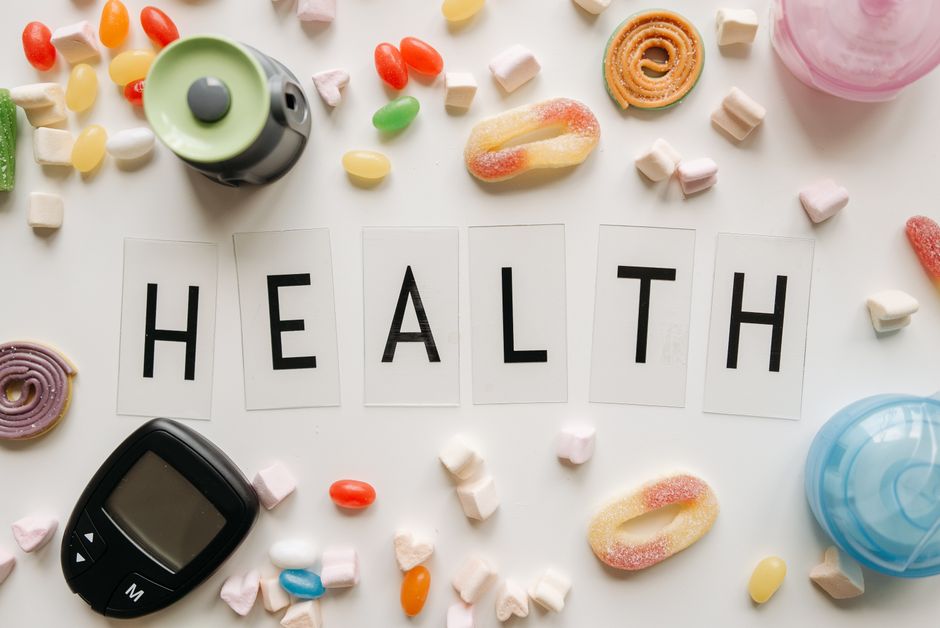
When your blood sugar drops too low, you need to act quickly. The fastest way to raise it is to eat or drink about 15 grams of fast-acting carbohydrates, like glucose tablets, fruit juice, or regular soda. Wait 15 minutes, check your blood sugar again, and repeat if it is still below 70 mg/dL. These simple steps are the standard first-line treatment for mild hypoglycemia and work within minutes for most people.
What Counts as Low Blood Sugar?
Low blood sugar, also called hypoglycemia, is generally defined as a blood glucose level below 70 mg/dL. For people with diabetes, this is the standard threshold used by most clinicians. For people without diabetes, symptoms can sometimes occur at slightly different levels.
Symptoms of low blood sugar include shakiness, sweating, confusion, irritability, rapid heartbeat, and feeling dizzy or weak. If you experience these symptoms and have a monitor available, check your level before treating. If you cannot check, and you have diabetes or take medication that can cause low blood sugar, treat the symptoms anyway.
Severe hypoglycemia is a medical emergency. If someone is unconscious, having seizures, or cannot swallow, do not give them food or drink. Call emergency services immediately.
How To Raise Low Blood Sugar Fast Home Remedies: The 15-15 Rule
The most reliable approach is the 15-15 rule. Eat 15 grams of fast-acting carbohydrate, wait 15 minutes, then recheck your blood sugar. If it is still below 70 mg/dL, take another 15 grams.
Fast-acting carbohydrates are foods that raise blood sugar quickly. They are simple sugars that do not need much digestion. Good options include:
- 4 glucose tablets (check the label for the exact gram amount)
- Half a cup (4 ounces) of regular fruit juice
- Half a cup of regular soda, not diet
- 1 tablespoon of honey or sugar
- 3 to 4 hard candies, chewed well
These options contain approximately 15 grams of carbohydrate per serving. Always check food labels because products vary. Glucose tablets are often the preferred choice because they work predictably and are easy to measure.
After your blood sugar returns to normal, eat a small snack with protein or complex carbohydrate if your next meal is more than an hour away. This helps prevent another drop.
What Foods Work Too Slowly?
Not all carbohydrates raise blood sugar quickly. Foods with fat, protein, or fiber slow down digestion. That means they release sugar into your bloodstream gradually. These are not good choices for treating an active low.
Chocolate bars, ice cream, and candy with nuts are poor emergency choices. The fat in these foods delays sugar absorption. Whole grain bread, oatmeal, and apples are also too slow because of their fiber content.
These foods are fine for preventing lows or for the follow-up snack after your blood sugar recovers. But during an active low, you need simple sugar that hits your bloodstream fast.



Why Does Blood Sugar Drop Suddenly?
For people with diabetes, the most common cause is taking too much insulin or other glucose-lowering medication. Skipping meals, eating less than usual, or exercising more than normal can also cause lows. Alcohol, especially on an empty stomach, can cause delayed low blood sugar hours after drinking.
People without diabetes can also experience low blood sugar, though it is less common. Reactive hypoglycemia occurs a few hours after eating a high-carbohydrate meal. The body releases too much insulin, causing blood sugar to drop. Certain medications, critical illness, and rare hormone deficiencies can also cause hypoglycemia.
If you do not have diabetes and you have repeated episodes of low blood sugar, see a doctor. Unexplained hypoglycemia deserves a medical evaluation to find the underlying cause.
What About Protein or Fat for a Low?
Protein and fat do not raise blood sugar quickly enough to treat an active low. They are not fast-acting carbohydrates. However, they have a role after the low is corrected.
Once your blood sugar is back in a safe range, eating a small amount of protein can help stabilize it. This matters if you took rapid-acting insulin, which may still be working. A few crackers with peanut butter or half a sandwich can help bridge you to your next meal.
Some people wonder if protein alone can treat a mild low. Research does not support this. Protein takes longer to convert to glucose, and the process is not fast enough to correct an active hypoglycemic episode.
What To Do If Blood Sugar Does Not Rise
Sometimes one round of the 15-15 rule is not enough. If your blood sugar remains below 70 mg/dL after two or three treatments, you may need medical attention. Persistent low blood sugar can be dangerous.
If you take insulin or sulfonylurea medications, you are at higher risk for prolonged hypoglycemia. These medications continue to lower blood sugar for hours. In this situation, seek medical help if you cannot get your blood sugar above 70 mg/dL after two treatment rounds.
For people who have repeated severe lows or cannot sense their symptoms, a doctor may prescribe glucagon. This is an injectable hormone that rapidly raises blood sugar. Family members should be trained to use it in emergencies.
Can You Prevent Low Blood Sugar?
Prevention starts with understanding your patterns. Check your blood sugar regularly if you take insulin or other medications that can cause lows. Track your readings to learn how your body responds to meals, exercise, and stress.
Eat consistent meals and snacks according to your diabetes management plan. If you exercise, check your blood sugar before and after. You may need a snack beforehand or an adjustment in medication.
Carry fast-acting carbohydrate with you at all times. Keep glucose tablets in your car, at your desk, and in your bag. Being prepared is the most reliable prevention strategy.
When To See a Doctor About Low Blood Sugar
One mild episode that resolves quickly is not usually a reason for concern. But frequent lows, severe lows, or lows that require help from another person are signs that your treatment plan needs review.
See your doctor if you have low blood sugar more than a few times per week. Also seek medical advice if you are having lows without clear warning symptoms. Some people lose the ability to sense low blood sugar over time. This condition, called hypoglycemia unawareness, increases the risk of severe episodes.
Your doctor may adjust your medications, change your meal plan, or refer you to a diabetes educator. There is no reason to manage repeated lows alone.
Frequently Asked Questions
How quickly does juice raise blood sugar?
Fruit juice typically raises blood sugar within 10 to 15 minutes. Half a cup of juice provides about 15 grams of fast-acting carbohydrate.
Can I use honey to treat low blood sugar?
Yes, one tablespoon of honey contains about 15 grams of carbohydrate and works quickly. It is a reasonable option when glucose tablets or juice are not available.
What if I do not have a glucose meter?
If you have diabetes and feel symptoms of low blood sugar, treat it even without a meter. The risk of untreated hypoglycemia is greater than the risk of briefly raising blood sugar too high.
Is chocolate good for low blood sugar?
No, chocolate is not a good first choice because its fat content slows sugar absorption. Use a fast-acting carbohydrate first, then eat a snack with protein if needed.
