
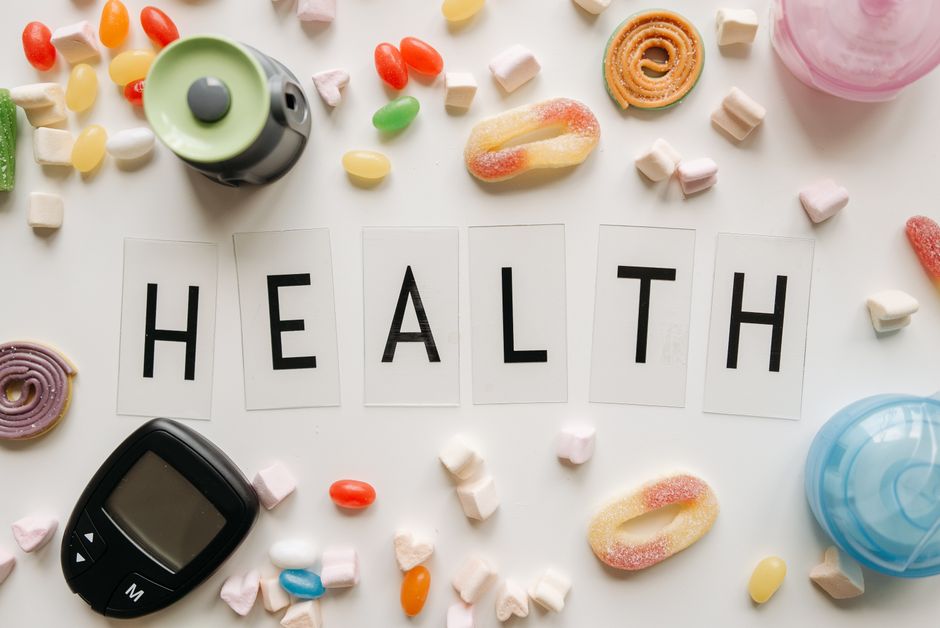
Your blood sugar does not respond to wishes or willpower alone. It responds to specific inputs: what you eat, how you move, how you sleep, and how stressed you are. The fastest natural ways to lower blood sugar at home involve reducing carbohydrate intake, moving your muscles, and managing the hormones that push glucose up. None of these replace medical care for diabetes. But they can meaningfully shift your numbers, often within hours to days.
How To Naturally Lower Blood Sugar Fast At Home
The single most direct lever you have is carbohydrate intake. Carbohydrates break down into glucose. Fewer carbs means less glucose entering your bloodstream. That is not a diet philosophy. It is basic digestion.
When you eat a meal heavy in refined carbohydrates — white bread, sugary drinks, white rice — blood glucose can rise within 15 to 30 minutes. A meal built around protein, fat, and fiber produces a slower, smaller rise. This is well established in postprandial (after-meal) glucose research.
Movement is the second lever. Working muscles pull glucose out of the blood without requiring extra insulin. This happens through a transporter called GLUT4 that moves to the muscle cell surface during contraction. Gentle walking after a meal can blunt the glucose spike compared to sitting still. The effect is real and measurable, though the size varies by person and by meal.
These two — food and movement — are the fastest-acting natural inputs. Sleep and stress work more slowly but matter for baseline control.
Does Walking After Meals Actually Lower Blood Sugar?
Yes. Muscle contraction increases glucose uptake independent of insulin. This is one of the better-supported findings in lifestyle glucose research.
Even light activity helps. Standing up and doing light household tasks after eating produces a smaller glucose rise than remaining seated. A short walk is generally better than standing alone, but both beat lying down or sitting.
The mechanism is straightforward. During muscle contraction, GLUT4 transporters relocate to the cell membrane. Glucose enters the muscle cell and gets used for energy. This pathway does not depend on insulin signaling, which is why it still works in people with insulin resistance.
Timing matters. The greatest benefit appears in the window shortly after eating, when glucose is rising. A 10 to 15 minute walk after a meal is a reasonable starting point for most people. Anyone with mobility limitations can get some benefit from seated movement or arm exercises, though the effect is smaller.
One clarification worth making: walking does not “cancel” a high-carb meal. It reduces the spike. The total glucose load still matters.
What Foods Lower Blood Sugar Quickly?
No food lowers blood sugar the way medication does. Foods can slow glucose absorption, reduce the spike, or support better insulin sensitivity over time. That distinction matters.
Foods that produce a smaller and slower glucose rise include:
- Non-starchy vegetables — leafy greens, broccoli, peppers, cucumbers
- Protein sources — eggs, fish, poultry, tofu, plain Greek yogurt
- Healthy fats — olive oil, avocado, nuts, seeds
- Fiber-rich foods — legumes, chia seeds, flaxseed, whole intact grains
Combining these with carbohydrates slows digestion and blunts the spike. Eating vegetables and protein before starchy carbohydrates within the same meal has been shown in some studies to reduce post-meal glucose compared to eating the starch first. The effect is modest but consistent.
Vinegar is often mentioned in this context. Some small studies suggest that consuming vinegar with a meal may reduce post-meal glucose slightly. The evidence is not strong enough to present it as a reliable strategy, and it is not a substitute for any other measure.
Cinnamon, berberine, and bitter melon appear frequently in online claims. The evidence for cinnamon is mixed and generally weak. Berberine has shown some glucose-lowering effects in small trials, but it can interact with medications and should not be started without medical guidance. No natural food or supplement has been shown to lower blood sugar as effectively as prescribed medication in people with diabetes.

How Do Sleep and Stress Affect Blood Sugar?
Both raise blood sugar through cortisol and other stress hormones. This is well established physiology, not speculation.
Cortisol signals the liver to release glucose. That is useful when you are fleeing danger. It is unhelpful when you are chronically stressed or sleeping poorly. Even one night of significantly restricted sleep can reduce insulin sensitivity in healthy adults the following day.
Chronic stress keeps cortisol elevated. Over time, this can contribute to higher fasting glucose and worse insulin resistance. The relationship is bidirectional — poor glucose control also worsens sleep and mood.
Practical steps that may help:
- Aim for consistent sleep and wake times
- Keep the bedroom cool, dark, and quiet
- Limit caffeine in the afternoon and evening
- Use slow breathing or brief meditation before bed
- Get morning light exposure to support circadian rhythm
These are supportive measures. They are not fast-acting glucose fixes. Expect improvements in baseline control over weeks, not minutes.
Can Hydration and Timing of Meals Lower Blood Sugar?
Water supports kidney function, and the kidneys clear excess glucose through urine. Dehydration concentrates glucose in the blood. Drinking adequate water does not “flush out” sugar in any dramatic way, but staying hydrated supports normal glucose handling.
Meal timing matters for some people. Eating within a consistent window and avoiding large late-night meals may improve fasting glucose. Late eating is associated with higher post-meal glucose and worse glucose tolerance in some studies, though results vary.
Time-restricted eating — confining all meals to a set daily window — has shown mixed results for glucose control. Some trials show benefit, others show no advantage over standard calorie reduction. It is not a proven universal strategy.
Skipping breakfast is not a reliable way to lower blood sugar. For some people it causes a larger glucose rise at the next meal. For others it makes no difference. Individual response varies.
What Natural Approaches Have Weak or No Evidence?
Several popular claims do not hold up. Being honest about this protects you from wasting time and money.
Alkaline water does not lower blood sugar. The body tightly regulates blood pH regardless of what you drink.
Celery juice, lemon water, and “detox” teas do not lower blood sugar through any established mechanism. Any small effect is likely from hydration or from replacing sugary drinks.
Most herbal supplements marketed for blood sugar have limited or no high-quality human trial evidence. Some, like berberine, have preliminary data but also real interaction risks. Others have neither evidence nor a plausible mechanism at typical doses.
Apple cider vinegar is often promoted for glucose control. The evidence is limited to small studies with inconsistent results. It is not harmful for most people in small amounts, but it is not a reliable glucose-lowering tool.
No natural approach has been shown in large trials to match the glucose-lowering effect of standard diabetes medications. If you have diabetes, natural strategies work alongside medical treatment, not instead of it.
When Should You See a Doctor About Blood Sugar?
Contact a doctor if you have symptoms of high blood sugar — excessive thirst, frequent urination, blurred vision, unexplained weight loss, or fatigue that does not improve. These warrant evaluation.
Seek emergency care for signs of severe hyperglycemia: confusion, deep rapid breathing, fruity-smelling breath, or inability to stay awake. These can indicate a medical emergency.
If you have diabetes, do not stop or reduce medication based on lifestyle changes without medical guidance. Some natural strategies can lower glucose enough to require medication adjustment, and that adjustment should be supervised.
Blood sugar targets vary by person. A fasting glucose of 70 to 99 mg/dL is generally considered normal. A result of 100 to 125 mg/dL suggests prediabetes. A result of 126 mg/dL or higher on two separate tests supports a diabetes diagnosis. These are standard diagnostic thresholds, not personal targets — your doctor will set targets based on your situation.
Frequently Asked Questions
How fast can I lower my blood sugar naturally at home?
Walking after a meal can lower post-meal glucose within 30 to 60 minutes. Meaningful changes to fasting glucose typically take days to weeks of consistent diet, movement, and sleep improvements.
What drink lowers blood sugar immediately?
Water is the only drink that reliably supports glucose handling without adding sugar. No drink has been shown to lower blood sugar immediately the way medication does.
Does lemon water lower blood sugar?
No clinical evidence confirms that lemon water lowers blood sugar. Any benefit likely comes from replacing sugary drinks with water.
Can I lower blood sugar without medication?
Lifestyle changes can lower blood sugar meaningfully, especially in prediabetes. If you have diabetes, these changes work alongside medication, and any adjustment should be supervised by a doctor.
