
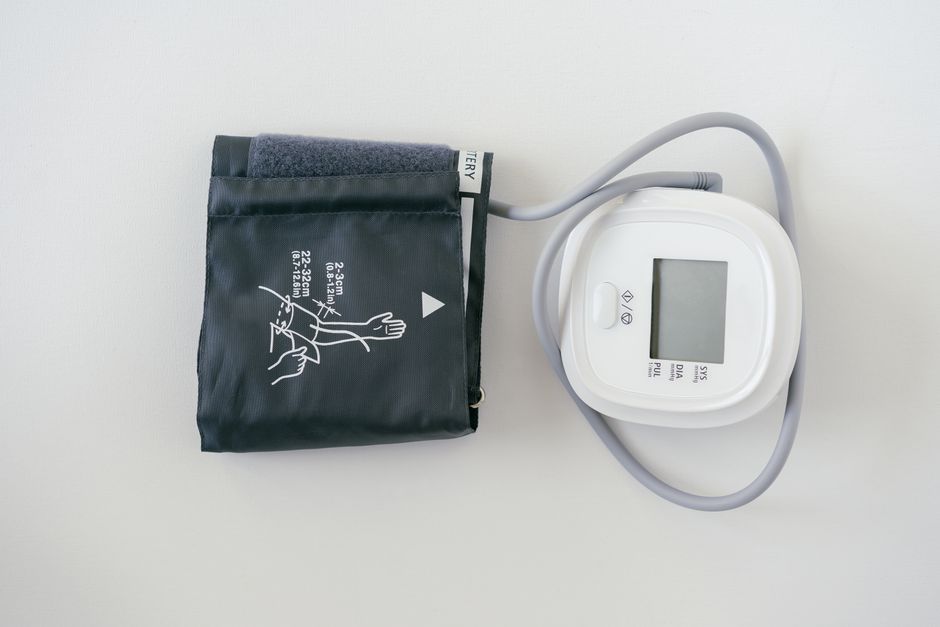
Sudden low blood pressure can make you feel dizzy, lightheaded, or even cause you to faint. When your blood pressure drops quickly, the fastest way to raise it is to change your position and increase blood flow to your brain. Lying down flat, raising your legs above heart level, and drinking a glass of water are the first steps to take. These actions help push blood back toward your heart and brain while you assess whether you need further help.
What Does a Sudden Blood Pressure Drop Feel Like?
A sudden drop in blood pressure is not something you will miss. Symptoms come on quickly and can feel alarming. You might notice your vision going dark or blurry, a ringing in your ears, or a feeling of weakness in your legs.
Other common signs include nausea, cold and clammy skin, and a rapid but weak pulse. Some people describe feeling like they are about to pass out. This is called presyncope, and it is your body’s warning that your brain is not getting enough blood flow.
If you feel any of these symptoms, do not try to walk to a chair or bed. Sit down where you are, or better yet, lie down on the floor. Trying to move while your blood pressure is dropping increases your risk of falling and injuring yourself.
How To Raise Low Blood Pressure Fast When It Drops?
The quickest physical response is to get into a position that helps blood return to your heart. Lying flat on your back is the first move. If possible, prop your feet up on a pillow, a couch armrest, or a stack of books so your legs are elevated above the level of your heart.
This position uses gravity to help drain blood from your legs back into your central circulation. More blood returning to the heart means more blood pumped to the brain. Most people feel improvement within a minute or two of lying down with their legs raised.
If you cannot lie down, sit in a chair and lower your head between your knees. This is not as effective as lying flat with legs elevated, but it does help maintain blood flow to the brain in an emergency.
Drinking a full glass of cold water is the next step. Water increases your blood volume, which helps raise blood pressure. It also stimulates the nervous system in ways that can help constrict blood vessels. Drink slowly but steadily, and finish the entire glass.
Why Does Blood Pressure Drop Suddenly?
Understanding why your blood pressure dropped helps you know what to do next. The most common cause in otherwise healthy people is orthostatic hypotension. This happens when you stand up too quickly, and blood pools in your legs because gravity pulls it down.
Normally, your body compensates within seconds by tightening blood vessels and increasing heart rate. When this response is slow or weak, blood pressure falls and you feel dizzy. Dehydration makes this worse because you have less total blood volume to work with.
Other causes include prolonged standing, especially in heat, and eating a large meal. Some people experience drops after meals because blood rushes to the digestive tract. Medications are another common trigger, particularly blood pressure drugs, diuretics, and some antidepressants.
More serious causes include internal bleeding, severe allergic reactions, heart rhythm problems, and infections that affect the bloodstream. If your blood pressure drop comes with chest pain, shortness of breath, or fainting that lasts more than a few seconds, treat it as a medical emergency.


What To Do After You Recover From a Drop
Once you are lying down and your symptoms begin to fade, do not jump up immediately. Your blood pressure needs time to stabilize. Stay in the lying position for at least five to ten minutes after you feel better.
When you do sit up, do it slowly. Move to a seated position and wait a full minute before standing. If you feel any dizziness returning, lie back down and repeat the process.
After you are stable, think about what caused the episode. If you have not had enough to drink, hydrate with water or an electrolyte drink. If you stood up too fast, make a point of rising more slowly for the rest of the day.
If you take blood pressure medication, check whether your dose may need adjustment. Never change your medication dose on your own. Talk to your doctor about the episode, especially if it happens more than once.
When Is Low Blood Pressure an Emergency?
Not every drop in blood pressure requires a trip to the emergency room. But some situations demand immediate medical attention. You should call for emergency help if you faint and do not wake up within a minute, or if you have trouble breathing.
Seek urgent care if the drop comes with chest pain, severe headache, blurry vision, or weakness on one side of your body. These could signal a heart attack or stroke, not just simple low blood pressure.
Blood pressure drops that happen after an injury, after vomiting blood, or with black or bloody stools are also emergencies. These suggest internal bleeding. A drop accompanied by a high fever and confusion may indicate a severe infection.
If you have diabetes and your blood pressure drops, check your blood sugar. Severe low blood sugar can cause symptoms very similar to low blood pressure, and the treatment is different.
Can Salt Help Raise Low Blood Pressure Quickly?
Sodium raises blood pressure because it pulls water into your bloodstream, increasing blood volume. For someone with chronically low blood pressure, increasing salt intake is a common recommendation. But for a sudden drop, salt is not the fastest solution.
Eating salt takes time to affect blood pressure because it must be digested and absorbed. Water works faster because it enters your bloodstream within minutes. If you have both water and salty food available, drink the water first and eat something salty like pretzels or crackers afterward.
Do not use salt tablets or consume large amounts of salt without talking to a doctor first. For people with heart failure, kidney disease, or high blood pressure that fluctuates, extra salt can be dangerous. The balance between raising low blood pressure and not overloading your system is delicate.
How To Prevent Future Blood Pressure Drops
Prevention starts with hydration. Drinking enough water throughout the day keeps your blood volume adequate. Most adults need between 11 and 15 cups of fluid daily from all sources, though individual needs vary with activity level and climate.
Move slowly when changing positions. When you wake up in the morning, sit on the edge of the bed for a minute before standing. When rising from a chair, pause after you stand before you start walking.
Avoid standing still for long periods. If you must stand, shift your weight from leg to leg, or flex your calf muscles. This muscle movement pumps blood back toward your heart and prevents pooling in your legs.
Wearing compression stockings can help some people. These stockings apply gentle pressure to your legs, which reduces the amount of blood that pools there. They are particularly helpful for people who get dizzy from standing or who have chronic orthostatic hypotension.
If your blood pressure drops after meals, try eating smaller, more frequent meals instead of three large ones. Limit high-carbohydrate meals, which draw blood to the digestive tract. Some people find that standing or walking briefly after a meal helps.
What Does the Research Say About Raising Low Blood Pressure?
Research consistently supports the physical maneuvers described above. Lying down with legs elevated is a standard first response in clinical settings. Water drinking has been studied specifically for its pressor effect, meaning its ability to raise blood pressure.
Some studies suggest that drinking about 16 ounces of water can raise blood pressure within a few minutes in people with orthostatic hypotension. The effect appears to come from water activating the sympathetic nervous system, which causes blood vessels to constrict.
The evidence for other popular remedies is weaker. Caffeine can raise blood pressure temporarily, but regular users develop tolerance, and the effect diminishes. Some research suggests caffeine helps people with postprandial hypotension, which is low blood pressure after meals, but it is not a reliable treatment for sudden drops.
No clinical evidence supports energy drinks, herbal supplements, or over-the-counter “blood pressure boosters” for treating sudden drops. Many of these products contain unproven ingredients or unpredictable amounts of stimulants. They are not a substitute for the physical and hydration measures that have solid evidence behind them.
Frequently Asked Questions
How quickly does water raise low blood pressure?
Drinking water can start to raise blood pressure within about five minutes in people with orthostatic hypotension. The full effect typically peaks around 20 to 30 minutes after drinking.
Is it safe to sleep after a blood pressure drop?
Yes, but only after your symptoms have fully resolved and you have been sitting upright without dizziness for several minutes. If you feel weak or confused, stay awake and seek medical evaluation instead.
Can low blood pressure cause a heart attack?
Low blood pressure itself does not cause a heart attack, but a sudden drop can be a symptom of one. If your drop comes with chest pain, shortness of breath, or pain radiating to your arm or jaw, call emergency services.
What is the fastest way to raise blood pressure at home?
Lying flat with your legs elevated above heart level is the fastest physical response. Drinking a full glass of cold water immediately afterward helps sustain the recovery.
