
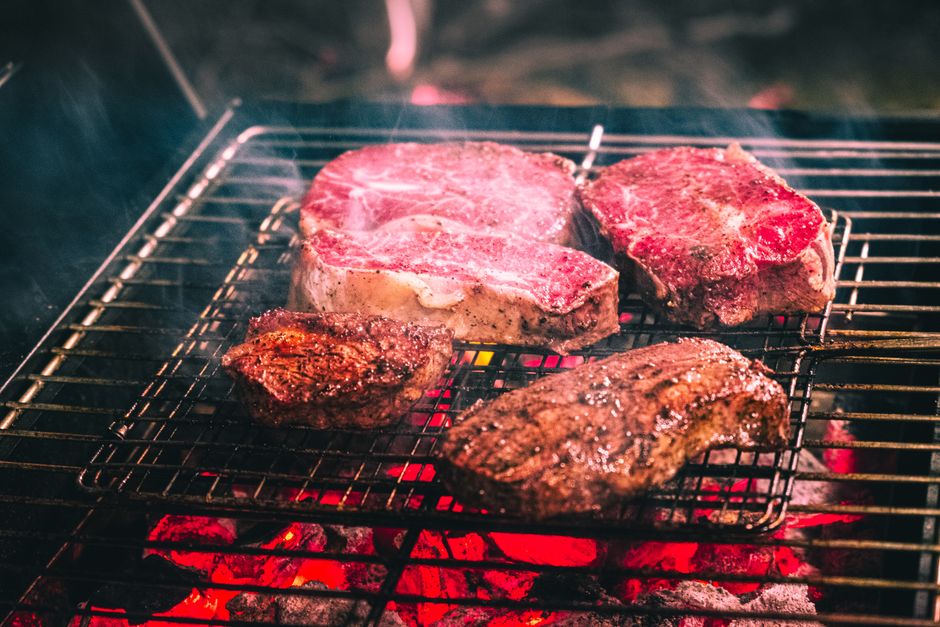
If you have ever pricked your finger after a steak dinner and watched the number climb, you already know the answer feels complicated. The short answer: meat on its own contains almost no carbohydrate, and carbohydrate is the nutrient that raises blood glucose most directly. But blood sugar after a meal is not just about the food on the plate. It is about what your body does with that food, what else you ate with it, and how well your insulin is working.
So does meat raise blood sugar? Plain meat — beef, pork, chicken, turkey, fish — has negligible carbohydrate content, so it does not spike glucose the way bread, rice, or sugar does. What it can do is change the shape and size of your glucose response in other ways, and those effects matter most for people with diabetes or prediabetes.
Does Meat Raise Blood Sugar What The Science Says
Meat does not raise blood sugar through direct carbohydrate load, because there is essentially none to speak of. A plain chicken breast or a steak contains almost zero grams of carbohydrate. Protein and fat do not convert to glucose quickly enough to produce the sharp rise you see after eating a bagel.
What protein does do is stimulate a slower, smaller glucose response. Some of the amino acids in protein can be converted to glucose in the liver through a process called gluconeogenesis. This is a normal, ongoing process — your liver makes glucose around the clock, whether you eat or not. After a high-protein meal, that conversion can nudge glucose up modestly, but it happens gradually rather than as a spike.
Fat adds another layer. Fat slows stomach emptying, which means glucose from any carbohydrate in the meal enters the bloodstream more slowly. That can flatten the peak of a glucose rise. But it can also extend the elevation, so a meal high in both fat and carbohydrate may produce a lower peak that lasts longer than a low-fat meal with the same carbohydrate.
Here is the part that surprises people. The most consistent finding in this area is not about meat raising glucose on its own. It is about meat changing the insulin response. Protein triggers an insulin release even when carbohydrate is minimal. In people with healthy insulin sensitivity, that is not a problem. In people with type 2 diabetes or insulin resistance, that extra insulin demand can matter over time.
Why Does Protein Affect Blood Sugar At All?
Protein affects blood sugar because the body treats amino acids as both building blocks and, when needed, fuel. When you eat protein, your pancreas releases insulin. This happens for two reasons: to help amino acids enter cells for muscle repair and other functions, and to prepare the liver to manage the small amount of glucose that gluconeogenesis will produce.
In someone without diabetes, this system works quietly in the background. Insulin rises, glucose stays stable or drifts up slightly, and everything returns to baseline within a few hours.
In someone with type 2 diabetes, the picture changes. Insulin resistance means the body needs more insulin to move the same amount of glucose into cells. A high-protein meal can require a larger insulin response, and if the pancreas cannot keep up, glucose may rise more than expected. This is why some people with diabetes see a delayed glucose rise two to four hours after a protein-heavy meal — long after the carbohydrate from the meal has been handled.
The effect is real but usually modest. For most people, a plain serving of meat will not produce a glucose rise anywhere near what a serving of white rice or a sugary drink produces.
Does the Type of Meat Matter for Blood Sugar?
The type of meat matters less for the immediate glucose response than for long-term metabolic health. A grilled chicken breast and a fatty ribeye have similar carbohydrate content — close to zero. Their short-term effect on blood glucose is broadly similar.
Where they differ is in fat content, processing, and what they do to insulin sensitivity over months and years. This is where the evidence gets more serious.
- Unprocessed red meat — beef, pork, lamb — has minimal effect on short-term glucose but has been linked in large observational studies to higher risk of type 2 diabetes when eaten in high amounts over time.
- Processed meat — bacon, sausage, hot dogs, deli meats — shows a stronger and more consistent association with type 2 diabetes risk than unprocessed red meat in most observational research.
- Poultry and fish — generally show weaker or no clear association with diabetes risk in the same body of research.
These are associations, not proof of cause. People who eat a lot of processed meat may also differ in other ways that affect diabetes risk. But the pattern has appeared across multiple large studies and populations, which makes it harder to dismiss as chance.
There is also the question of what the meat is replacing. A diet where meat replaces refined carbohydrates may produce better glucose control. A diet where meat is added on top of an already high-calorie, high-carbohydrate pattern may not.
What About Meat and Insulin Resistance?
Insulin resistance is the core problem in type 2 diabetes, and it develops over years. The question of whether meat contributes to it is genuinely debated.
Some research suggests that high intake of saturated fat — which is present in fatty cuts of meat and processed meat — may worsen insulin sensitivity. Other studies have found that lean meat, eaten as part of a balanced diet, does not appear to harm insulin sensitivity and may help preserve muscle mass, which supports glucose metabolism.
The evidence is mixed. What is clearer is that total dietary pattern matters more than any single food. Diets rich in vegetables, legumes, whole grains, and lean protein tend to be associated with better insulin sensitivity. Diets high in processed meat, refined carbohydrates, and excess calories tend to be associated with worse outcomes.
One non-obvious point: muscle is a major site of glucose disposal. Having more muscle means more places for glucose to go. This is one reason resistance training improves blood sugar control, and it is also why adequate protein intake matters for people trying to manage their glucose — not because protein raises glucose dramatically, but because it supports the tissue that helps clear it.
How Should People With Diabetes Think About Meat?
For someone with diabetes, meat is not the enemy. It is a food with almost no carbohydrate, which makes it useful for keeping post-meal glucose stable. The complications come from preparation, portion, and what comes with it.
A plain grilled chicken breast with non-starchy vegetables will usually produce a very different glucose response than fried chicken with a side of mashed potatoes and gravy. The meat is not the variable that changed most in that comparison.
Some practical considerations that are well supported:
- Choose unprocessed meat more often than processed meat.
- Watch portion size — a serving of meat is generally considered about 3 to 4 ounces, roughly the size of a deck of cards.
- Pair meat with fiber-rich vegetables, which slow glucose absorption.
- Be aware that high-protein meals can cause a delayed glucose rise in some people with diabetes, sometimes two to four hours after eating.
- If you use insulin, talk to your care team about how protein affects your dosing, since standard carbohydrate counting does not account for protein’s glucose effects.
These are general points, not personalized medical advice. Blood sugar responses vary widely between individuals, and what works for one person may not work for another.
Does Cooking Method Change How Meat Affects Blood Sugar?
Cooking method does not change the carbohydrate content of meat, because there is essentially none to change. Grilling, baking, or pan-searing a plain piece of meat produces a similar glucose response.
What cooking method does change is what gets added. Breading, sugary marinades, barbecue sauce, and flour-based coatings all add carbohydrate. Fried meat absorbs oil, which adds calories and fat. These additions, not the meat itself, are usually responsible for any unexpected glucose rise after a meat-based meal.
There is one area of active research worth mentioning. Cooking meat at very high temperatures — grilling or pan-frying until charred — produces compounds called heterocyclic amines and polycyclic aromatic hydrocarbons. These have been studied mainly for cancer risk, not blood sugar. Their role in glucose metabolism is not well established, so it would be inaccurate to claim they affect blood sugar one way or the other.
What the Evidence Actually Supports
The honest summary is this: plain meat does not raise blood sugar the way carbohydrate does. It has almost no carbohydrate, and its short-term effect on glucose is small and slow.
What meat can do is trigger an insulin response, especially in people with insulin resistance. Over the long term, high intake of processed meat in particular has been linked in observational studies to higher risk of type 2 diabetes, though these studies cannot prove cause and effect.
The strongest evidence points to dietary pattern rather than any single food. Meat eaten as part of a balanced diet with vegetables, whole grains, and appropriate portions is not inherently a blood sugar problem. Meat eaten as part of a pattern high in processed foods, refined carbohydrates, and excess calories is a different story.
If you have diabetes or prediabetes and you are trying to understand your own glucose responses, a continuous glucose monitor or regular finger-stick testing after meals can show you what actually happens in your body. Individual responses vary more than most people expect.
Frequently Asked Questions
Does eating meat raise blood sugar?
Plain meat has almost no carbohydrate, so it does not raise blood sugar the way bread or sugar does. It can cause a small, slow glucose rise through protein conversion in the liver, but this is usually modest.
Can steak raise blood sugar in people with diabetes?
Steak itself has minimal carbohydrate, but some people with diabetes see a delayed glucose rise two to four hours after a high-protein meal. This is due to protein’s effects on insulin and liver glucose production, not carbohydrate content.
Is chicken better than beef for blood sugar?
Chicken and beef have similar carbohydrate content, so their short-term effect on glucose is broadly similar. Over the long term, unprocessed poultry has shown weaker associations with diabetes risk than processed meats in observational research.
Does protein raise blood sugar more than fat?
Protein can raise blood sugar slightly through gluconeogenesis, while fat has little direct effect on glucose. Fat mainly slows digestion, which can change the timing of a glucose rise rather than its size.
