
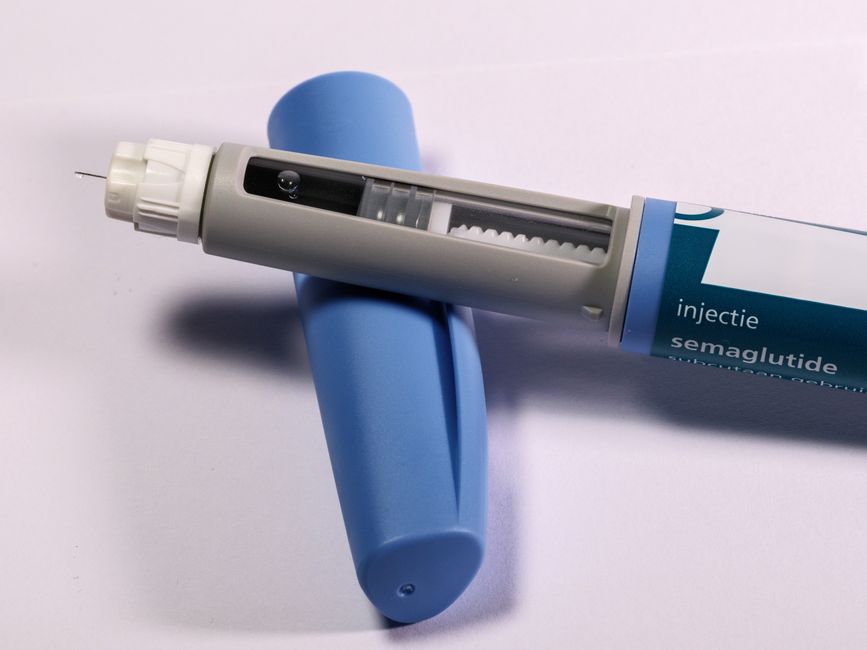
Glucagon starts raising blood sugar within about 5 to 15 minutes when it is given as an injection, and within roughly 15 to 20 minutes when it is given as a nasal spray. Blood sugar usually returns to a safer range within 10 to 30 minutes after the dose. The exact timing depends on how low the blood sugar was, which form of glucagon was used, and how much glycogen the liver has stored.
Glucagon is an emergency rescue medicine. It is not a replacement for eating fast-acting sugar when a person is awake and able to swallow. Understanding how fast it works, and what slows it down, matters when someone is having a severe low.
How Fast Does Glucagon Work For Low Blood Sugar?
Injectable glucagon typically begins raising blood glucose within 5 to 15 minutes. Nasal glucagon begins working in about 15 to 20 minutes. Both forms continue to raise glucose over the next 10 to 30 minutes as the liver releases stored sugar into the bloodstream.
These numbers come from the way glucagon is absorbed and how it acts on the liver. An injection goes directly into muscle or under the skin, so it reaches the bloodstream quickly. A nasal spray is absorbed through the lining of the nose, which is a slightly slower route.
One detail people often miss: glucagon does not contain sugar. It is a hormone that tells the liver to release glucose it has already stored as glycogen. If the liver has little glycogen left, glucagon has less to work with. That is why a rescue dose can work quickly in one situation and less effectively in another.
What Is Glucagon and How Does It Raise Blood Sugar?
Glucagon is a hormone made by the pancreas. Its main job is the opposite of insulin. Insulin moves glucose out of the blood and into cells. Glucagon tells the liver to put glucose back into the blood.
When blood sugar drops too low, the pancreas releases glucagon. The hormone signals the liver to break down glycogen, a stored form of glucose, and release it into the bloodstream. This is a normal, everyday process that keeps blood sugar from falling too far between meals.
A glucagon rescue product gives the body a large dose of this same hormone when the natural response is not enough. The liver responds by releasing stored glucose, and blood sugar rises.
This is why glucagon can only work if the liver has glycogen available. Glycogen stores get used up during long periods without food, during heavy drinking, and in some medical conditions. When stores are low, glucagon may not raise blood sugar as much or as quickly.
What Forms of Glucagon Exist and How Do They Compare?
There are two main ways to give emergency glucagon today: an injection and a nasal spray. Both are used for severe low blood sugar when a person cannot safely swallow.
| Form | How It Is Given | Typical Onset |
|---|---|---|
| Injectable glucagon | Injected into muscle or under the skin | About 5 to 15 minutes |
| Nasal glucagon | Sprayed into one nostril | About 15 to 20 minutes |
Older glucagon kits required mixing a powder with a liquid before injecting. Newer ready-to-use injectables and nasal sprays remove that step, which matters during an emergency when every minute counts.
Injection and nasal forms have been compared in studies, and both are considered effective for treating severe low blood sugar. The nasal form is easier for a bystander to give, since there is no needle. The injectable form may act slightly faster. The best choice is the one a person can actually use correctly when it is needed.



When Should Glucagon Be Used?
Glucagon is for severe low blood sugar, not for mild drops. It is meant for a person who is unconscious, having a seizure, or too confused to swallow safely.
Signs of a severe low include:
- Loss of consciousness
- Seizure
- Inability to swallow
- Extreme confusion or unresponsiveness
If the person is awake and can swallow, fast-acting sugar by mouth is the first step. That means glucose tablets, juice, regular soda, or another quick sugar source. Glucagon is reserved for when this is not possible.
If someone is unconscious or seizing, this is a medical emergency. Give glucagon if it is available and call emergency services. Do not try to put food or drink into the mouth of someone who cannot swallow, because it can cause choking.
What Slows Glucagon Down or Makes It Less Effective?
Low liver glycogen is the main reason glucagon may not work as well as expected. The liver can only release glucose it has stored. If those stores are low, the response is weaker.
Situations linked to lower glycogen stores include:
- Long periods without eating
- Heavy alcohol use
- Prolonged exercise without refueling
- Some liver conditions
- Long-standing poorly controlled diabetes
Other factors can affect how quickly glucagon works. A dose that is too small, an expired product, or a device that was not used correctly can all reduce the effect. Injected glucagon is usually given into a muscle, such as the thigh, and the technique matters.
Some medications can also blunt the response. Certain beta-blockers may reduce the body’s ability to raise blood sugar and can make the recovery from a low less predictable. This is worth discussing with a clinician in advance.
What Happens After Glucagon Is Given?
Blood sugar usually rises within 10 to 30 minutes after the dose. The person often wakes up or becomes more alert during this time. Even after they respond, the rescue is not finished.
Once the person is awake and can swallow safely, they should eat a source of longer-lasting carbohydrate. This helps prevent blood sugar from dropping again, because the glucagon effect wears off and the liver’s released glucose gets used up.
Common side effects of glucagon include nausea and vomiting. Because vomiting can happen, a person who is not fully alert should be placed on their side to keep their airway clear.
Even if the person recovers, it is wise to seek medical guidance after a severe low. A severe low can be a sign that the treatment plan needs adjusting. It is also worth checking why it happened, since repeated severe lows carry real risks.
Why Timing Matters in a Severe Low
A severe low is a time-sensitive event. The brain depends on glucose, and when blood sugar drops very low, brain function is affected quickly. This is why confusion, seizures, and loss of consciousness can come on fast.
Because glucagon takes several minutes to work, it is not instant. Knowing this helps set realistic expectations. A person giving glucagon should not expect the person to wake up the second the dose is given. It usually takes a few minutes, and sometimes longer.
This is also why having a plan matters more than memorizing exact minutes. Knowing where the glucagon is kept, how to use that specific device, and when to call for help can matter more than the difference of a few minutes between forms.
For anyone who uses insulin or another medication that can cause lows, a glucagon rescue product should be on hand and not expired. Family, coworkers, and caregivers should know where it is and how to use it. A rescue medicine that no one can find or operate does not help.
Frequently Asked Questions
How fast does glucagon work for low blood sugar?
Injectable glucagon usually starts raising blood sugar within about 5 to 15 minutes, and nasal glucagon within about 15 to 20 minutes. Blood sugar often returns to a safer range within 10 to 30 minutes.
Does glucagon work if blood sugar is very low?
It can work, but how well depends on how much glycogen the liver has stored. If liver glycogen is low, glucagon may raise blood sugar less or more slowly.
Can you give glucagon if the person is awake?
If the person is awake and can swallow safely, fast-acting sugar by mouth is the first step. Glucagon is meant for people who are unconscious, seizing, or unable to swallow.
What should you do after giving glucagon?
Call for emergency help, place the person on their side in case of vomiting, and give a longer-lasting carbohydrate once they are alert and can swallow. Seek medical guidance after any severe low.
