
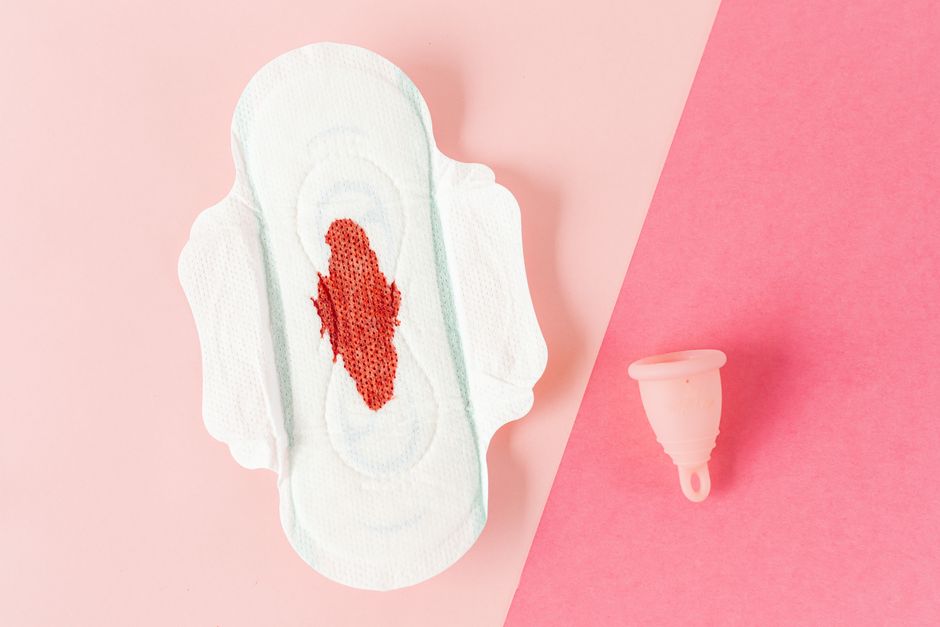
Your period will end when your body decides it ends — and nothing you do will force it to finish faster. Menstrual blood leaves the uterus as the uterine lining sheds, and that process runs on hormones, not willpower. No food, drink, exercise, or position has been shown to speed up how quickly the uterus empties.
What you can do is manage how your period feels and flows, and understand which popular “hacks” actually do something versus which ones do nothing at all. Some things genuinely affect bleeding — like hormonal birth control — but they work by changing your cycle over time, not by pushing blood out on demand.
How does period blood actually leave the body?
Menstrual blood doesn’t sit in a pool waiting to be released. It leaves as the lining of the uterus breaks down and sheds, a process driven by falling levels of the hormones estrogen and progesterone at the end of your cycle.
The uterus is a muscular organ. During your period, it contracts gently to help expel the shed lining. These contractions are usually mild. When they’re stronger, you feel them as cramps. Blood and tissue pass through the cervix and out through the vagina. Gravity plays only a small role — most of the movement comes from those uterine contractions and the natural flow of the shedding process.
This matters because it explains why position changes and “draining” tricks do so little. The blood isn’t pooled anywhere it can be tipped out. It’s being released continuously over several days as the lining comes away in layers.
What is the focus keyphrase How To Push Out Period Blood Faster What Works?
Most methods people try fall into three groups: things that do nothing, things that help you feel better without changing flow, and things that genuinely change bleeding — but only through hormones or medical treatment.
Here’s an honest breakdown:
- Do nothing for flow: Drinking certain teas, eating specific foods, sitting in certain positions, or doing “release” exercises. No clinical evidence supports these for speeding up shedding.
- Help comfort, not speed: Heat, gentle movement, and pain relief. These ease cramps but don’t make your period end sooner.
- Actually change bleeding: Hormonal birth control and certain prescription medications. These can lighten or shorten periods, but they work over weeks to months by altering your cycle.
The key distinction is between feeling better during your period and changing how long it lasts. Those are different goals, and only the second one involves methods that genuinely affect your cycle.
Does exercise or movement make your period end faster?
Exercise does not shorten your period. It can, however, change how you feel during it.
Physical activity increases blood circulation and triggers the release of endorphins, the body’s natural pain-relieving chemicals. Some people find that light movement — walking, stretching, gentle yoga — reduces cramp intensity. This is a comfort effect, not a flow effect.
There’s a common belief that certain exercises “push” blood out faster. That’s not how the anatomy works. Movement doesn’t speed up how the uterine lining sheds, because that timing is set by hormone withdrawal. Exercise may help you feel more in control and less uncomfortable, which has real value. But it won’t shorten your period by a day.
One caution: intense, exhaustive exercise over long periods can disrupt menstrual cycles entirely in some people, sometimes causing periods to stop. That’s a sign of hormonal disruption, not a faster period, and it’s worth discussing with a doctor if it happens.

Can heat, baths, or positions change how fast blood comes out?
Heat helps cramps. It does not speed up bleeding.
A warm bath, heating pad, or hot water bottle relaxes the muscles of the uterus and can ease cramping. This is one of the better-supported comfort measures for period pain. But relaxing the muscle doesn’t accelerate the shedding process.
Sitting or lying in particular positions won’t drain your uterus faster either. Some people notice blood flows more when they stand up after lying down, but that’s because it was already in the vagina and gravity moved it — not because the uterus released it faster. The total amount and duration stay the same.
If you’re looking for comfort, heat is reasonable. If you’re looking to shorten your period, heat won’t do it.
What actually shortens or lightens a period?
Hormonal birth control is the main thing that reliably changes period length and flow. This is well established.
Combined hormonal contraceptives — the pill, patch, and ring — work by preventing the buildup of the uterine lining. With less lining to shed, periods are typically lighter and often shorter. Some people using certain forms of hormonal contraception have very light bleeding or none at all.
Hormonal intrauterine devices (IUDs) are also known to reduce menstrual bleeding significantly over time. In fact, they’re sometimes prescribed specifically to manage heavy periods. This is a documented clinical use.
These methods don’t “push out” blood. They reduce how much lining builds up in the first place, so there’s less to shed. That’s a different mechanism, and it takes effect over cycles, not within a single period.
If your goal is genuinely shorter, lighter periods, this is a conversation to have with a doctor or nurse. The options depend on your health history and what you’re trying to achieve.
What about teas, supplements, and home remedies?
There is no reliable clinical evidence that any tea, supplement, or food makes period blood come out faster or makes a period end sooner.
This is where a lot of online advice falls apart. Claims about raspberry leaf tea, parsley, vitamin C, or specific foods “flushing” your period are not supported by controlled human studies. Some of these substances have been studied for other purposes, but not for speeding up menstruation.
That doesn’t mean they’re dangerous in normal amounts. A cup of herbal tea is generally harmless for most people. But harmless and effective are different things. If a remedy claims to speed up your period, ask what evidence backs it. In most cases, there isn’t any.
One real caution: some herbs and supplements can interact with medications or cause harm in pregnancy. If there’s any chance you could be pregnant, or you take prescription medication, check with a pharmacist or doctor before trying anything new.
When should a period that won’t end be checked?
A period that lasts longer than about a week, or bleeding that’s unusually heavy, is worth a medical evaluation.
Typical menstrual bleeding lasts around three to seven days. Cycles vary from person to person, and occasional longer or heavier periods can be normal. But a pattern of prolonged or heavy bleeding can signal an underlying issue — things like hormonal imbalance, fibroids, polyps, or a bleeding disorder.
Signs worth checking with a doctor include:
- Periods regularly lasting longer than seven days
- Bleeding so heavy you soak through a pad or tampon every hour for several hours
- Passing blood clots larger than a quarter
- Bleeding between periods or after sex
- Feeling dizzy, weak, or unusually tired during your period
Heavy bleeding can lead to iron deficiency anemia over time. That’s a real concern and a reason not to ignore a period that seems heavier or longer than it should be. This isn’t about speeding up a normal period — it’s about identifying when something else is going on.
Does anything make a period start faster?
Nothing safe and reliable makes a period start early on demand.
Some people try to bring on a late period with herbs, vitamin C, or other methods found online. These aren’t supported by good evidence, and some carry real risk. High doses of certain substances can be harmful.
If your period is late and there’s any chance you’re pregnant, the priority is finding out. A home pregnancy test is accurate in most cases once your period is late. If you want to delay or manage your cycle for a specific reason — like a trip or event — that’s a legitimate conversation to have with a doctor, who can discuss hormonal options that are actually designed for cycle control.
Frequently Asked Questions
Can I make my period end faster?
No. The timing of your period is controlled by hormones, and nothing you eat, drink, or do will make the uterine lining shed faster. Hormonal birth control can make future periods lighter or shorter, but it works over cycles, not within one period.
Does drinking water or tea flush out period blood?
No. Staying hydrated is good for your overall health, but it does not speed up how the uterus sheds its lining. No controlled studies support teas or fluids for shortening a period.
Does exercise make your period come out faster?
No. Exercise can ease cramps by triggering endorphin release, but it does not change how long your period lasts or how fast the lining sheds.
How long is a normal period?
Most periods last about three to seven days. If yours regularly lasts longer than seven days or is unusually heavy, it’s worth checking with a doctor.
