
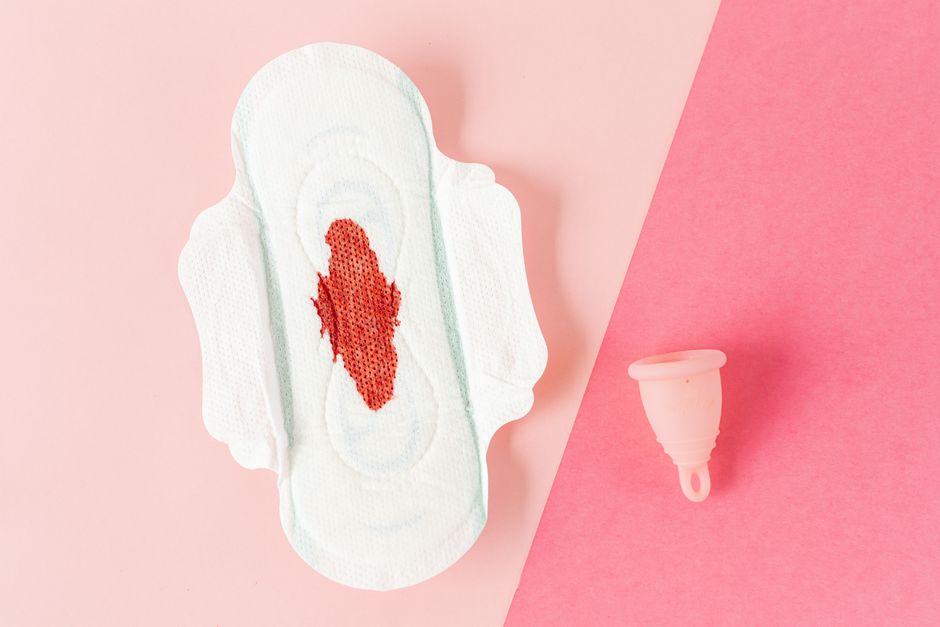
Most women lose between 30 and 80 milliliters of blood during a period. That is roughly 2 to 6 tablespoons over the entire period. If you are soaking through a pad or tampon every hour for several hours in a row, passing clots larger than a quarter, or your period lasts longer than seven days, that is too much. This condition has a medical name: heavy menstrual bleeding, or menorrhagia. It affects about 1 in 5 women, yet many never mention it to a doctor because they assume their experience is normal.
How Much Is Too Much Blood During Your Period?
Heavy menstrual bleeding is defined by how it affects your life, not just by a number. The most reliable sign is bleeding that soaks through one pad or tampon every hour for two or more consecutive hours. Passing blood clots bigger than a quarter is another red flag. So is needing double protection — a tampon and a pad — just to get through the day.
Anemia is a common consequence of untreated heavy bleeding. When you lose too much iron each month, your body cannot make enough red blood cells. Fatigue, shortness of breath, and pale skin can follow. Some women also feel dizzy or lightheaded during their period because of the blood loss.
What Causes Heavy Menstrual Bleeding?
Hormone imbalances are the most common trigger. When estrogen and progesterone are out of balance, the uterine lining builds up thicker than normal. When it sheds, there is simply more to lose. This is especially common in teenagers in the first few years after their first period and in women approaching menopause.
Uterine fibroids are another frequent cause. These noncancerous growths develop in the muscle wall of the uterus. They can increase the surface area of the uterine lining or interfere with the contractions that help stop bleeding. Polyps — small growths on the uterine lining — can cause heavy or irregular bleeding too.
Other causes include adenomyosis, where the uterine lining grows into the uterine muscle, and bleeding disorders that affect how blood clots. Some medications, including blood thinners and certain anti-inflammatory drugs, can also make periods heavier. If you have an intrauterine device (IUD) that does not contain hormones, heavier periods are a known side effect.
How Do Doctors Measure Menstrual Blood Loss?
Doctors rarely measure blood loss directly. Instead, they rely on your description of your period. A common clinical tool is the pictorial blood loss assessment chart. You mark how saturated your pads or tampons are and how many you use each day. This gives your doctor a clearer picture than a vague description.
Your doctor will likely also run blood tests. A complete blood count checks for anemia. An iron panel shows whether your iron stores are low. Thyroid function tests and hormone levels can identify underlying imbalances. An ultrasound of the pelvis looks for fibroids, polyps, or other structural problems.
In some cases, a biopsy of the uterine lining is needed. This is more common in women over 45 or those with risk factors for endometrial cancer. The procedure is quick and done in the office, though it can cause cramping.





When Should You See a Doctor?
See a doctor promptly if you need to change your pad or tampon every hour for more than two hours. Also seek care if you pass clots larger than a quarter, feel lightheaded or short of breath, or notice your period interfering with daily activities. Bleeding between periods or after sex is another reason to get checked.
Heavy bleeding that comes on suddenly after years of normal periods deserves attention. So does bleeding that soaks through your clothes or bedding at night. If you become pale, weak, or cannot catch your breath, that is a sign of significant blood loss and you should seek medical care quickly.
Do not wait until your period is over to call. Many tests can be done while you are bleeding, and treatment can often start right away.
What Treatments Are Available for Heavy Bleeding?
Treatment depends on the cause, your age, and whether you want to become pregnant in the future. The first step is often medication. Tranexamic acid is a pill that helps blood clot and reduces bleeding by about one-third. Nonsteroidal anti-inflammatory drugs like ibuprofen can reduce both pain and blood loss when taken during your period.
Hormonal options are common. Hormonal birth control — the pill, patch, or ring — thins the uterine lining and makes periods lighter. The levonorgestrel IUD is especially effective. It releases a progestin that thins the lining significantly, and many women find their periods become very light or stop entirely within six months.
Progestin-only pills or injections can also help. For women who do not want to take hormones, options still exist. The medication misoprostol can reduce bleeding in some cases, though it is not as effective as other treatments.
When medication is not enough, procedures may be considered. Endometrial ablation destroys the uterine lining using heat, cold, or radiofrequency. It is a same-day procedure with a short recovery, but it is only an option for women who do not plan to have more children. Uterine artery embolization shrinks fibroids by blocking their blood supply. Myomectomy surgically removes fibroids while keeping the uterus intact.
Hysterectomy — removal of the uterus — is the only treatment that guarantees an end to menstrual bleeding. It is major surgery with a longer recovery, and it is typically reserved for cases where other treatments have failed or when there are additional reasons for surgery.
Can Heavy Periods Be Prevented?
You cannot always prevent heavy periods, but keeping your iron levels healthy helps your body cope with blood loss. Eating iron-rich foods like red meat, beans, spinach, and fortified cereals can help. If you are already anemic, your doctor may recommend an iron supplement. Do not start iron supplements without a blood test confirming low iron, since excess iron can be harmful.
Tracking your periods is useful. Note the number of pads or tampons you use, the size of any clots, and how many days bleeding lasts. This information helps you recognize when something changes and gives your doctor concrete data to work with.
What Is Considered Normal Menstrual Bleeding?
A normal period lasts between 2 and 7 days. The flow is usually heaviest in the first two days and then tapers off. Most women use between 3 and 6 pads or tampons per day on heavy days. Passing small clots — smaller than a quarter — can be normal, especially on the heaviest day.
Periods change over time. They may be heavier after pregnancy or as you approach menopause. What matters is a change from your own pattern. If your period becomes consistently heavier than it used to be, that deserves a conversation with your doctor even if it does not meet the strict definition of menorrhagia.
What Happens If Heavy Bleeding Goes Untreated?
The most immediate risk is iron deficiency anemia. Over months and years, chronic blood loss depletes your iron stores. Anemia can leave you exhausted, affect your concentration, and worsen conditions like heart disease. In severe cases, heavy bleeding can cause a sudden drop in blood pressure and require emergency treatment.
Heavy bleeding can also affect your quality of life in ways that are easy to dismiss. Some women avoid social events, exercise, or travel because of unpredictable and heavy flow. This is a legitimate reason to seek treatment on its own.
Frequently Asked Questions
How many pads per day is considered heavy bleeding?
Soaking through a pad or tampon every hour for two or more consecutive hours is considered heavy bleeding. Using more than six full pads or tampons per day on a regular basis also indicates heavy flow.
Is passing large blood clots during your period normal?
Clots smaller than a quarter are generally normal, especially on heavy days. Clots larger than a quarter, or clots that occur with very heavy flow, should be evaluated by a doctor.
Can dehydration make your period heavier?
No direct evidence links dehydration to heavier menstrual flow. However, dehydration can worsen fatigue and cramping, which may make a heavy period feel worse.
Does a 10-day period mean something is wrong?
A period lasting longer than seven days is considered prolonged and should be evaluated. It can be caused by hormone imbalances, fibroids, polyps, or other conditions that need treatment.
