
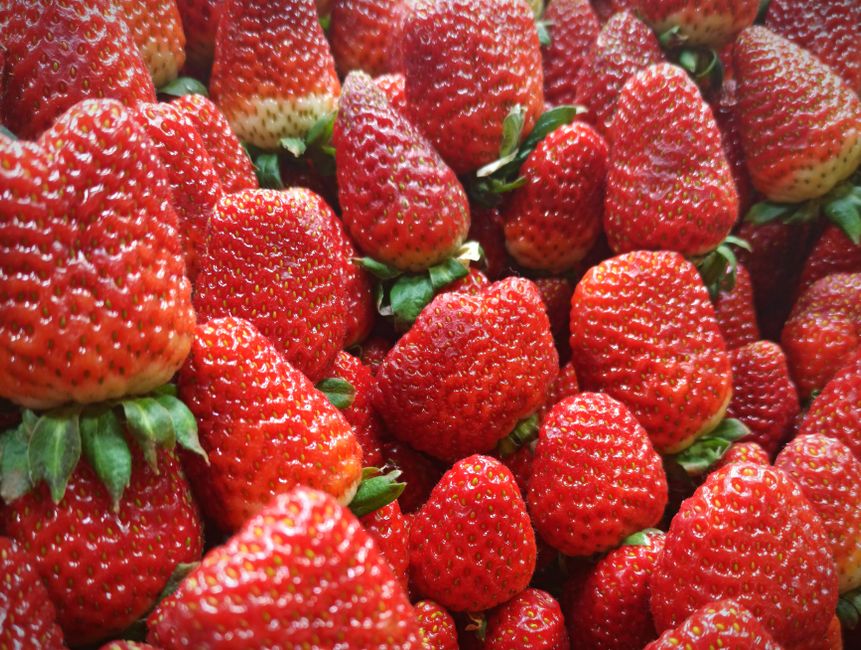
Strawberries are one of the few fruits that reward you with a harvest in the same year you plant them, which is exactly why it stings when something else eats them first. Protecting strawberries from pests naturally comes down to three things working together: keeping the plants off the ground, encouraging the predators that eat strawberry pests, and catching problems early before they spread. No single trick does it all. A layered approach does.
Why Are Strawberries So Vulnerable to Pests?
Strawberry plants are low-growing, which puts the fruit, the leaves, and the crown right at ground level where insects, slugs, and soil organisms live. The berries are also thin-skinned, high in sugar, and ripening over several weeks rather than all at once. That combination makes them a long-running food source rather than a one-time target.
There is another factor that gets less attention. Strawberries are perennial in many growing zones. The same patch stays in place year after year, which gives pest populations time to build up in the soil and leaf litter around the plants. A pest that would be wiped out by crop rotation in a vegetable bed can overwinter comfortably in a strawberry patch.
This is why prevention matters more with strawberries than with most garden crops. Once a population is established in a perennial bed, you are managing it, not eliminating it.
How Do You Keep Pests Off Strawberries Without Chemicals?
The single most effective natural method is getting the fruit off the soil. Straw mulch, pine needles, or a clean straw layer under the plants does three things at once.
- It creates a physical barrier between berries and soil-dwelling pests like slugs and sowbugs.
- It keeps fruit dry, which reduces the conditions that favor mold and rot.
- It gives ground beetles and spiders — both of which eat pest insects — a place to live.
Apply mulch when the plants begin to flower, not before. Mulching too early can insulate cold soil and delay growth in spring. A layer roughly two to three inches deep is generally enough to keep berries clean without smothering the plants.
Spacing matters too. Crowded strawberry plants stay humid, and humidity favors both disease and certain pests. Runners should be thinned so air moves through the bed. Remove any berries that are already damaged or rotting — they attract more pests and can spread problems to healthy fruit nearby.
Which Insects Attack Strawberries, and What Eats Them?
The main insect pests of strawberries in North American gardens are aphids, spider mites, strawberry bud weevils, tarnished plant bugs, and sap beetles. Each does different damage, and each has natural predators.
Aphids cluster on new growth and excrete a sticky substance called honeydew. That honeydew can attract ants and encourage sooty mold. Lady beetles, lacewing larvae, and parasitic wasps all feed on aphids. A garden that supports these insects tends to keep aphid numbers down without intervention.
Spider mites are tiny and easy to miss until leaves look stippled and faded. They thrive in hot, dry conditions. Overhead watering during dry spells can reduce their numbers, though it must be done in the morning so foliage dries before evening. Predatory mites and minute pirate bugs feed on spider mites.
Tarnished plant bugs feed on developing fruit and cause a condition often called “buttoning” — berries that are small, hard, and misshapen at the tip. These are difficult to control biologically. Removing nearby weeds where they overwinter is one of the few practical natural measures.
Sap beetles are drawn to overripe or damaged fruit. The practical answer is frequent picking. A berry left on the plant too long becomes a beetle magnet.
The general principle: a diverse garden with flowering plants nearby supports predator insects. Monoculture strawberry beds with bare soil around them tend to have more pest problems, not fewer.




What About Slugs and Snails?
Slugs are often the biggest strawberry pest in home gardens, and they are not insects, so insect-focused methods will not touch them. They feed at night and leave irregular holes in ripening fruit.
Handpicking after dark with a flashlight is unglamorous but genuinely effective for small beds. So is the straw mulch barrier already mentioned, since slugs prefer smooth, moist surfaces to travel across.
Copper tape around raised beds is a common recommendation. The mechanism is that copper reacts with the mucus slugs produce and creates a mild deterrent. Results in practice are mixed — some gardeners report it works, others do not. It is worth trying, but do not rely on it alone.
Diatomaceous earth is also widely sold for slug control. It works only when dry, and it stops working the moment it gets wet, which in a strawberry bed is often. Be aware that it can also harm beneficial ground insects, so it is not a targeted solution.
Beer traps attract and drown slugs, but they also attract slugs from surrounding areas. In a garden with a serious slug problem, they can make things worse before they make them better.
How Do You Manage Birds and Small Animals?
Birds are not insects, but they are often the pest that eats the most strawberries. Netting is the most reliable answer. The key detail is that netting must be stretched tight and held above the plants, not draped directly on them. Draped netting traps birds and can injure them.
Bird netting with a mesh size around three-quarters of an inch excludes most fruit-eating birds. Larger mesh lets them through. Support the netting with hoops or stakes so it stays clear of the fruit.
Reflective tape and scare devices have limited and short-lived effectiveness. Birds habituate to them quickly. Netting is the method that holds up.
Does Companion Planting Actually Work for Strawberry Pests?
Companion planting is widely recommended and unevenly supported by research. Some pairings have a reasonable basis. Others are folklore repeated until they sound like fact.
What has a clearer basis is planting flowers that feed beneficial insects. Plants in the carrot family, like dill and fennel, and flowers like alyssum and yarrow, provide nectar and pollen for predatory wasps and hoverflies. Those insects then hunt pests in the strawberry bed. The benefit comes from supporting predators, not from the companion plant repelling pests directly.
Claims that certain plants “repel” strawberry pests through scent are much weaker. Some research suggests certain aromatic plants may reduce pest activity, but results vary and the effect is usually modest.
Garlic and onion sprays are commonly recommended as natural repellents. No well-controlled studies confirm they protect strawberry fruit from the major pests in a home garden. They are not harmful, but they should not be your main strategy.
When Should You Act?
Timing matters more than most gardeners expect. Scouting should start when new growth appears in spring, well before fruit forms. Pests found early can often be managed by hand or with a strong water spray.
Once fruit is ripening, your options narrow. Many treatments, natural or not, should not be applied directly to fruit you intend to eat. This is why the work of prevention — mulch, spacing, predator habitat — has to happen before the berries appear.
If you do use a spray product, even an approved organic one, follow the label. “Natural” does not mean safe to apply at any time or in any amount. Some botanical insecticides, including neem-based products, can harm beneficial insects along with pests, and some carry restrictions around harvest.
For persistent problems, your local cooperative extension service is a reliable source. It provides pest guidance specific to your region and growing conditions, which generic advice cannot match.
What Usually Goes Wrong
The most common mistake is waiting until fruit is damaged to act. By then the pest population is established and the current crop is already affected.
The second most common mistake is removing all ground cover and keeping the bed bare. That eliminates habitat for the predators that would otherwise help control pests, and it leaves the soil surface open for slugs to move freely.
The third is relying on a single method. Netting alone will not stop slugs. Mulch alone will not stop birds. Companion planting alone will not stop an established aphid colony. The methods that work are the ones stacked together.
Frequently Asked Questions
What is the best natural way to keep bugs off strawberries?
Straw mulch under the plants is the most effective single method because it lifts fruit off the soil and dries the surface pests need. Combining it with tight bird netting and habitat for predator insects covers the most ground.
Does vinegar or soap spray kill strawberry pests?
Diluted soap spray can kill soft-bodied insects like aphids on contact, but it must touch the pest directly and offers no lasting protection. Vinegar is not an effective or safe pest treatment for strawberry plants and can damage foliage.
How do I stop slugs from eating my strawberries?
Handpicking after dark and keeping fruit off the ground with straw mulch are the most reliable natural methods. Copper tape and diatomaceous earth are commonly sold for this, but results are inconsistent and neither works well when wet.
Can I eat strawberries that have had pests on them?
Yes, if the berry itself is intact — rinse it under running water before eating. Discard any berry with visible damage, holes, or mold, since damaged fruit can carry spoilage organisms and attracts more pests.
