
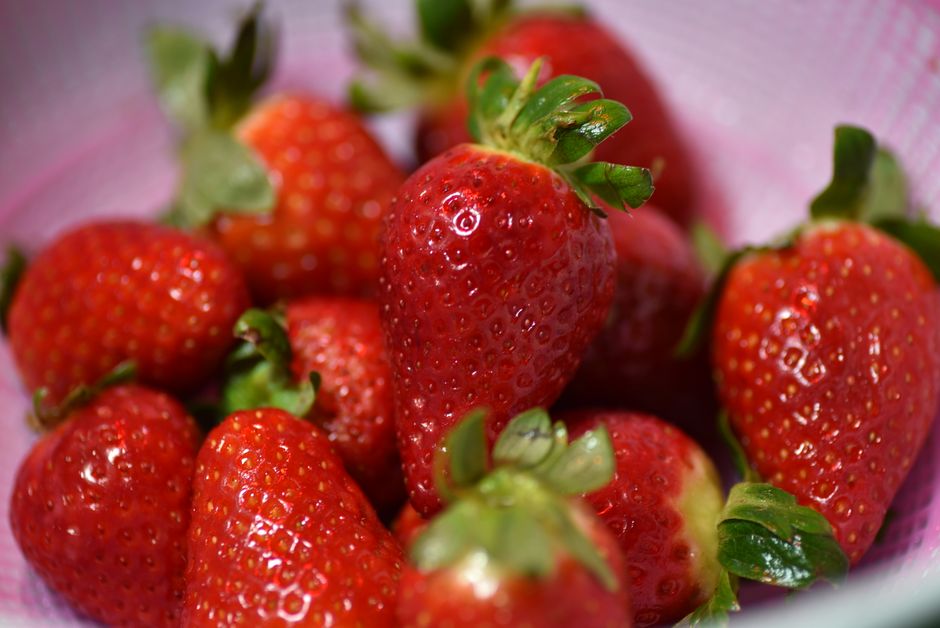
Strawberries can be a safe and healthy first food for a 6-month-old, provided they are prepared correctly to prevent choking. The most important rule is to serve them mashed, puréed, or sliced very thin, never whole or in large chunks. Because strawberries are soft and can be mashed easily, they are a great option for babies who are just starting solid foods.
When Can a 6 Month Old Eat Strawberries?
Babies can start eating solid foods, including strawberries, around 6 months of age. This is the age when most babies show signs of readiness for solids, such as sitting up with support and showing interest in food.
Strawberries are not a common choking hazard when prepared correctly, but they are a common allergen. The American Academy of Pediatrics no longer recommends delaying the introduction of common allergens like strawberries. Introducing them early may actually help prevent food allergies.
How To Serve Strawberries To A 6 Month Old Baby
The way you serve strawberries depends on your baby’s chewing skills and how many teeth they have. At 6 months, most babies are just learning to mash food with their gums. Here are the safest ways to serve them:
- Mashed: Wash the strawberry, remove the green stem, and mash it with a fork until it is a smooth or slightly lumpy puree. You can mix it with breast milk, formula, or water to thin it out.
- Puréed: Blend fresh or frozen strawberries in a blender or food processor until completely smooth. This is the best option for babies who are new to solids.
- Sliced thin: If your baby has started to develop a pincer grasp (using thumb and finger to pick up food), you can offer thin slices. Cut the strawberry into long, thin strips about the size of your finger. This shape is easy for a baby to hold and gum.
- Smushed whole: For babies who can pick up food, you can offer a whole strawberry that has been squashed flat with your fingers or a fork. This reduces the choking risk while still giving them something to hold.
Never serve a whole strawberry to a 6-month-old. The round shape and firm texture create a serious choking hazard.
Choking Hazards and Safety Tips
Choking is the main safety concern when feeding strawberries to a baby. The berry’s round shape can easily block a small airway. Even sliced strawberries can be risky if they are cut into small, round pieces.
Always cut strawberries lengthwise into strips, not into round coins. A coin-shaped piece can still get stuck in the windpipe. The goal is to create flat, long pieces that are easy to manage.
Always supervise your baby closely while they eat. Never leave a baby alone with food. Even with proper preparation, babies can sometimes gag as they learn to eat. Gagging is a normal reflex that protects the airway. Choking is different — it is silent and requires immediate action.





Are Strawberries a Common Allergen?
Strawberries can cause allergic reactions, though they are not among the top allergens like peanuts, eggs, or milk. Reactions can range from mild symptoms like hives or a rash to more severe reactions.
When introducing strawberries for the first time, offer a small amount and watch your baby for any signs of an allergic reaction. Signs include hives, swelling of the lips or face, vomiting, or difficulty breathing. If you notice any of these, stop feeding and contact your pediatrician immediately.
Some research suggests that cooking strawberries may reduce their allergenic potential. However, there is no strong clinical evidence that cooked strawberries are significantly safer than raw ones for allergy prevention. The most important thing is to introduce them in small amounts and monitor closely.
Nutritional Value of Strawberries for Babies
Strawberries are a nutritious addition to a baby’s diet. They are an excellent source of vitamin C, which supports the immune system and helps the body absorb iron from other foods.
A 100-gram serving of raw strawberries (about 5-6 medium berries) contains approximately 32 calories, 0.7 grams of protein, and 7.7 grams of carbohydrates, including about 2 grams of fiber. They are naturally low in sugar compared to many other fruits and contain no fat or sodium.
Strawberries also contain folate and potassium, which support cell growth and heart health. While babies eat small amounts, every nutrient counts during this rapid growth phase.
How To Prepare Strawberries Safely
Washing strawberries properly is important because they are on the “Dirty Dozen” list of produce with high pesticide residues. Wash them thoroughly under running water just before serving. Do not soak them, as this can cause them to absorb water and become mushy.
Remove the green stem and leaves before serving. The stem is not a choking hazard if removed properly, but it is tough and not pleasant for a baby to eat. Cut away any bruised or soft spots.
If you are serving frozen strawberries, thaw them completely and drain any excess liquid. Frozen berries can be more slippery, which makes them harder for a baby to grip. You can also mash them directly from frozen and let them thaw in the bowl.
Can Babies Eat Strawberry Seeds?
Yes, strawberry seeds are safe for babies. The tiny seeds on the outside of the berry are soft and pass easily through the digestive system. There is no need to remove them.
Some parents worry the seeds might cause a choking hazard, but they are far too small. The seeds do not pose any risk to a 6-month-old when the strawberry is properly mashed or sliced.
How Much Strawberry Can a 6 Month Old Eat?
There is no strict guideline for how much strawberry a 6-month-old should eat. At this age, solid food is about exploration and learning, not about meeting caloric needs. Breast milk or formula remains the primary source of nutrition.
Start with one or two teaspoons of mashed or puréed strawberry. Watch for signs that your baby is full, such as turning their head away or closing their mouth. Do not force your baby to finish a serving.
As your baby gets more comfortable with eating, you can gradually increase the amount. By 8-9 months, many babies can eat a few slices or several tablespoons of mashed fruit at a meal.
Strawberry Recipes for 6 Month Old Babies
Strawberries can be served alone or mixed with other foods. Combining them with other ingredients can introduce new flavors and textures. Here are some simple combinations that are safe for a 6-month-old:
- Strawberry and banana mash: Mash one ripe strawberry with half a ripe banana. The banana adds natural sweetness and a creamy texture.
- Strawberry and oatmeal: Stir mashed strawberries into iron-fortified baby oatmeal. This adds vitamin C, which helps the body absorb the iron in the oatmeal.
- Strawberry and yogurt: For babies who have already tried dairy, mix mashed strawberries into plain, full-fat yogurt. This is a good source of protein and calcium.
- Strawberry puree with breast milk or formula: Blend strawberries with a little breast milk or formula to create a smooth, familiar-tasting puree.
Introduce only one new food at a time if you are concerned about allergies. Wait 2-3 days between introducing new foods to identify any reactions clearly.
Signs Your Baby Is Ready for Strawberries
Every baby develops at their own pace. While 6 months is the typical starting age, your baby may be ready a little earlier or later. Look for these signs of readiness before introducing any solid food:
- Your baby can hold their head up steadily.
- Your baby can sit upright with minimal support.
- Your baby shows interest in food — reaching for it, opening their mouth when food approaches.
- Your baby has lost the tongue-thrust reflex that pushes food out of the mouth.
If your baby was born prematurely, they may reach these milestones later. Your pediatrician can advise you on the right timing for your baby.
Frequently Asked Questions
Can I give my 6 month old whole strawberries?
No, never give a whole strawberry to a 6-month-old. Whole strawberries are a serious choking hazard because their round shape can block a baby’s airway.
Do I need to cook strawberries for my baby?
No, raw strawberries are safe for babies when washed and prepared correctly. Cooking is not required, though some parents choose to steam or bake them to soften the texture further.
Can strawberries cause a rash on my baby’s skin?
Yes, strawberries can cause contact dermatitis in some babies. If you notice a rash around your baby’s mouth after eating strawberries, it may be a mild reaction, but it is not always a true allergy.
How do I store leftover strawberry puree?
Store leftover puree in an airtight container in the refrigerator for up to 48 hours. You can also freeze it in ice cube trays and thaw individual portions as needed.
