
Strong joints are built on a lifetime of small, consistent choices, not a single miracle fix. The most effective natural strategies are regular movement, maintaining a healthy body weight, and eating a diet rich in anti-inflammatory foods. These actions support the cartilage, ligaments, and surrounding muscles that keep joints stable and pain-free, regardless of your starting age.
What Actually Causes Joint Pain and Stiffness?
Joint pain usually comes from wear and tear on cartilage — the smooth tissue that cushions the ends of bones. When cartilage breaks down, bones can rub together, causing pain, swelling, and stiffness.
Age is a major factor. But so are past injuries, repetitive stress, genetics, and carrying excess weight. Extra pounds put direct pressure on weight-bearing joints like knees and hips. Even a modest amount of weight loss can reduce the load on these joints significantly.
Inflammation also plays a central role. Conditions like osteoarthritis involve low-grade inflammation in the joint. Diet and lifestyle choices can either increase or decrease this inflammatory burden. This is where natural approaches have real, measurable impact.
How To Strengthen Joints Naturally At Any Age
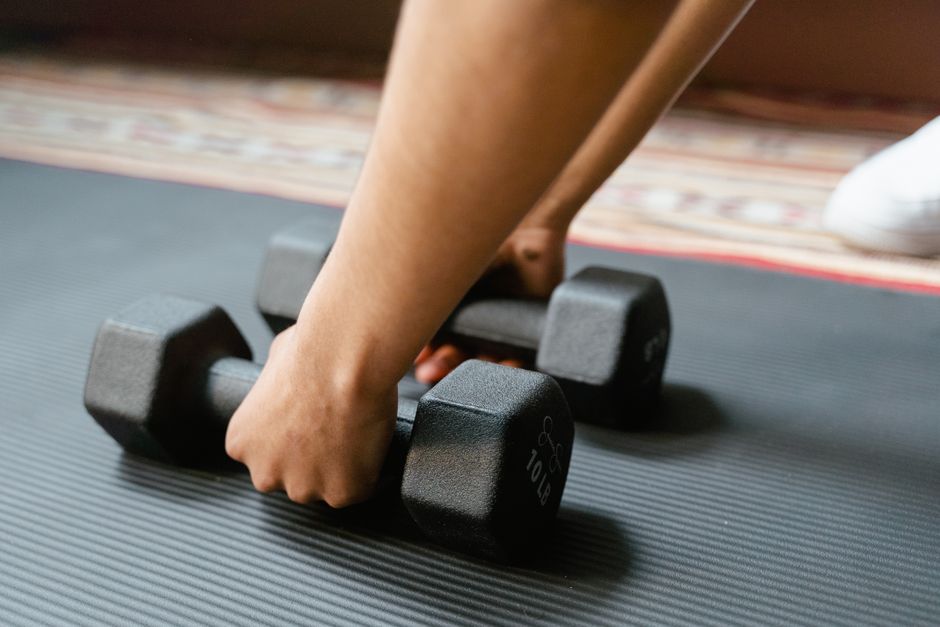
Strengthening joints is not about building bigger muscles. It is about improving the support system around each joint. Muscles act as shock absorbers. Stronger muscles take pressure off the joint itself, reducing wear on cartilage.
Start with low-impact strengthening exercises. These include leg lifts, wall sits, and resistance band work. They build muscle without slamming the joint. Swimming and cycling are excellent options because they are gentle on knees and hips while still building strength and endurance.
Consistency matters more than intensity. Three to four sessions per week of targeted strengthening is a reasonable goal for most adults. If you are new to exercise or have existing joint pain, working with a physical therapist is the safest way to start.
Balance training is often overlooked but is critical. Better balance means fewer falls, and fewer falls means fewer joint injuries. Simple standing exercises, like balancing on one leg while brushing your teeth, can improve stability over time.
What Foods Help Rebuild and Protect Joints?
No single food can regrow cartilage. But certain nutrients support joint health and reduce inflammation. Omega-3 fatty acids are the most studied dietary anti-inflammatories for joints. Fatty fish like salmon, mackerel, and sardines are rich sources. Some research suggests regular omega-3 intake may reduce joint pain and morning stiffness in people with inflammatory joint conditions.
Vitamin D and calcium support bone health, which is the foundation joints sit on. Low vitamin D levels are common and have been linked to worse joint pain in some studies. Good sources include sunlight, fortified dairy, and fatty fish.
Antioxidants matter too. Vitamin C is needed for collagen production, which is a key structural protein in cartilage. Citrus fruits, berries, and leafy greens provide this nutrient. Colorful vegetables and fruits generally supply the antioxidants that help neutralize the free radicals involved in cartilage breakdown.
Some evidence points to specific foods. Ginger and turmeric contain compounds with anti-inflammatory properties. Studies on turmeric, specifically its active compound curcumin, have shown modest pain reduction in some people with knee osteoarthritis. The evidence is promising but not definitive, and supplements vary widely in quality.





Which Supplements Have Real Evidence?
The supplement market for joints is large, but the evidence is mixed. Glucosamine and chondroitin are the most studied. Research results vary. Some trials show mild pain relief for knee osteoarthritis, while others show no benefit over placebo. The National Institutes of Health funded a large trial called GAIT, which found that the combination was no better than placebo for the overall group, though a small subset with moderate-to-severe pain did report some benefit.
Vitamin D supplementation is worth considering if your blood levels are low. A blood test can confirm this. Supplementing when levels are adequate has not been shown to help joints directly.
Collagen supplements have gained popularity. Some small studies suggest they may reduce joint pain and improve function. The evidence is preliminary. Larger, longer trials are needed before these can be recommended with confidence.
Fish oil supplements can reduce joint pain in some people, particularly those with rheumatoid arthritis. For osteoarthritis, the evidence is less clear. If you take fish oil, look for products with verified levels of EPA and DHA, the active omega-3 fatty acids.
Be cautious with any supplement. The FDA does not approve supplements for safety or effectiveness before they reach the market. Tell your doctor about everything you take, especially if you are on blood thinners or have surgery planned.
Does Weight Loss Actually Change Joint Health?
Yes, and the effect is substantial. Every pound of body weight puts roughly four pounds of pressure on the knees. Losing 10 pounds removes about 40 pounds of force from your knee joints with every step.
Research consistently shows that weight loss reduces knee pain and improves function in people with osteoarthritis. The effect is most pronounced when weight loss is combined with exercise. Some studies suggest that losing just 5 to 10 percent of body weight can produce meaningful symptom relief.
Weight loss also reduces systemic inflammation. Fat tissue produces inflammatory molecules called cytokines. Reducing fat mass lowers these levels, which can benefit joints throughout the body, not just the weight-bearing ones.
Aim for gradual, sustainable weight loss. Crash diets often lead to muscle loss, and muscle is exactly what your joints need for support. Prioritize protein to preserve muscle while losing fat.
What Everyday Habits Are Damaging Your Joints?
Prolonged sitting stiffens joints and weakens the muscles that support them. If you sit for work, stand up and move every 30 to 60 minutes. Even a two-minute walk helps maintain joint lubrication.
High-impact exercises like running on hard surfaces or jumping can accelerate cartilage wear, especially if you already have joint issues. This does not mean you must stop. It means choosing softer surfaces and ensuring proper footwear. Cross-training with low-impact activities gives your joints recovery time.
Poor posture places uneven stress on joints. Slouching while sitting or standing puts extra load on the spine, hips, and knees. Strengthening your core and back muscles directly supports better posture and reduces joint strain.
Ignoring pain is another common mistake. Mild discomfort during exercise is normal. Sharp or persistent pain is a signal to stop. Pushing through pain can turn a minor issue into a chronic one.
When Should You See a Doctor About Joint Pain?
Occasional stiffness is normal, especially after inactivity. But certain signs warrant medical attention. See a doctor if you have swelling, redness, or warmth around a joint, if pain lasts more than a few weeks, or if it interferes with daily activities.
Sudden severe pain, a joint that looks deformed, or inability to bear weight requires prompt evaluation. These could indicate a fracture or other serious injury.
Early intervention matters. Catching joint problems early gives you more treatment options and can slow progression. Do not wait until the pain is unbearable to seek help.
Frequently Asked Questions
Can you rebuild cartilage in joints naturally?
No, cartilage cannot be fully regenerated naturally. You can slow further breakdown with exercise, weight management, and diet, but lost cartilage does not grow back.
What is the best exercise for weak joints?
Swimming and cycling are the safest options because they are low-impact and build muscle without stressing the joint. Resistance band exercises also strengthen supporting muscles with minimal joint load.
Is walking good for knee osteoarthritis?
Yes, walking is beneficial for knee osteoarthritis in most cases. It strengthens the muscles around the knee, improves joint lubrication, and supports weight management, all of which reduce pain over time.
How long does it take to strengthen joints?
Most people notice improved stability and reduced pain within 6 to 12 weeks of consistent exercise. Significant structural changes in muscle strength take about 12 weeks of regular training.
