
Low free testosterone is a common concern for men over 35. It affects energy, muscle mass, mood, and sex drive. The good news is that lifestyle choices have a real, measurable impact on your levels. The most effective natural strategies involve weight loss, resistance training, better sleep, and reducing stress. While total testosterone matters, free testosterone is the portion your body actually uses, and it is specifically influenced by your diet and daily habits.
What Is Free Testosterone and Why Does It Matter?
Most testosterone in your blood is bound to proteins. One protein, sex hormone-binding globulin (SHBG), holds onto about half of it. Another protein, albumin, carries a smaller portion. The testosterone left over is called free testosterone.
Free testosterone is the active form. It enters your cells and binds to androgen receptors. This is the testosterone that drives muscle growth, bone density, libido, and mood. If your total testosterone is normal but your free testosterone is low, you can still experience symptoms of low T.
Many doctors check total testosterone only. That can miss the problem. Free testosterone is a more sensitive marker for symptoms, especially in older men. If you have symptoms and normal total testosterone, ask your doctor about testing free testosterone and SHBG.
How Does Body Fat Lower Free Testosterone?
Body fat is not passive tissue. It is metabolically active and produces an enzyme called aromatase. Aromatase converts testosterone into estrogen. More body fat means more aromatase, which means more testosterone is converted to estrogen.
Obesity also raises SHBG levels in some cases, though the relationship is complex. Higher SHBG binds more testosterone, leaving less free testosterone available. The result is a double hit: less testosterone produced and more of what remains bound up.
Research consistently shows that weight loss increases free testosterone. The effect is most pronounced in men with excess abdominal fat. Losing even 5-10% of body weight can raise free testosterone meaningfully. This is one of the most reliable natural interventions available.
Visceral fat — the fat around your organs — appears especially harmful. It has higher aromatase activity than subcutaneous fat. Men with larger waistlines tend to have lower free testosterone for this reason.
Which Exercises Boost Free Testosterone?
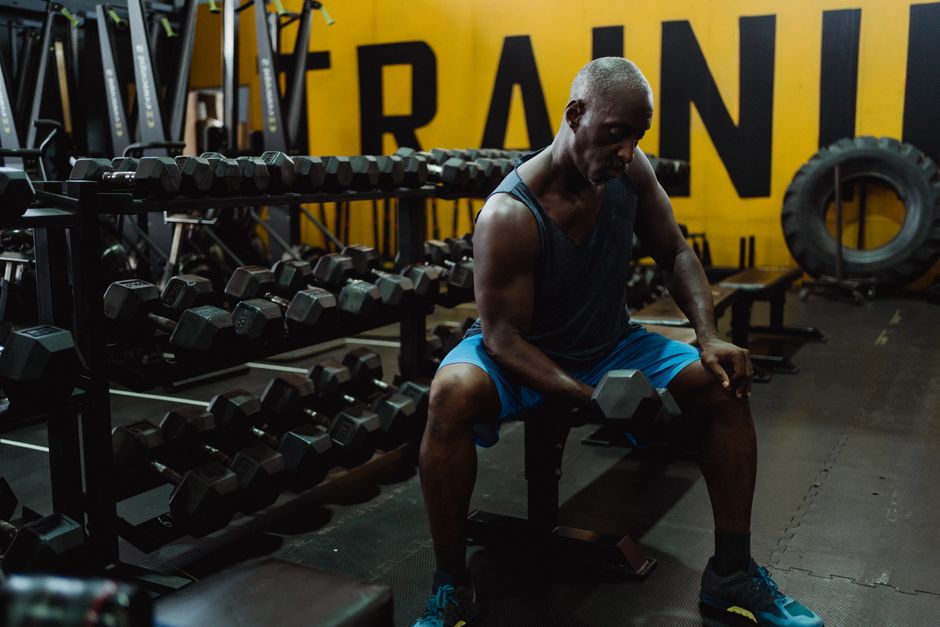
Resistance training is the most effective exercise for raising testosterone. The key is intensity and compound movements. Squats, deadlifts, bench presses, and rows recruit the most muscle mass and produce the largest hormonal response.
Heavy lifting with lower repetitions — roughly 3-6 reps per set — appears more effective than high-repetition training. Rest periods of 1-2 minutes between sets seem optimal. The goal is to challenge large muscle groups with significant load.
High-intensity interval training (HIIT) also shows benefits. Short bursts of maximal effort followed by brief recovery periods can raise testosterone acutely. The effect on resting levels is less clear, but the acute response matters for muscle adaptation.
Steady-state cardio is different. Long endurance sessions — over 60-90 minutes — can actually lower testosterone temporarily. This is a stress response. Cortisol rises, and testosterone falls. Do not abandon cardio entirely, but prioritize resistance training and short intense intervals.
Overtraining is a real risk. More is not better. Excessive training volume without adequate recovery lowers testosterone. Most men respond well to 3-5 resistance sessions per week. Rest days are when your body rebuilds and hormone levels recover.



How Does Sleep Affect Free Testosterone?
Sleep is one of the most underrated factors in hormone health. A well-known study found that men sleeping only 5 hours per night for one week had testosterone levels 10-15% lower than when they slept 8 hours. The effect is substantial.
Most testosterone is released during sleep. The largest pulses occur during REM sleep, particularly in the early morning hours. Cutting sleep short reduces the time available for these pulses.
Sleep quality matters as much as quantity. Fragmented sleep disrupts the normal hormonal rhythm. Sleep apnea is especially harmful. The repeated breathing interruptions cause oxygen drops and stress hormone spikes, both of which suppress testosterone.
If you snore loudly or wake up gasping, talk to a doctor about sleep apnea testing. Treating sleep apnea with CPAP has been shown to raise testosterone levels in some men. This is an often-missed cause of low T.
What Role Does Diet Play in Free Testosterone?
Your diet influences free testosterone through several pathways. The most direct effect involves dietary fat. Testosterone is synthesized from cholesterol. Very low-fat diets consistently lower testosterone levels.
Research suggests that diets with 20-30% of calories from fat support healthy testosterone production. Monounsaturated fats — found in olive oil, avocados, and nuts — appear particularly beneficial. Saturated fats from animal sources also play a role, but the evidence for them is less consistent.
Protein is important but not because it directly raises testosterone. Adequate protein supports muscle mass, which in turn supports healthy hormone levels. Very high protein diets that crowd out fat can be counterproductive.
Carbohydrates matter for a different reason. Low-carb diets can raise cortisol, especially when combined with intense training. Chronically elevated cortisol suppresses testosterone. This does not mean you need high carbs, but very low-carb diets may not be ideal for hormone health.
Micronutrient deficiencies can limit testosterone production. Zinc and magnesium are the most studied. Zinc deficiency is linked to low testosterone, and supplementation in deficient men restores levels. Magnesium appears to increase free testosterone by reducing SHBG. Vitamin D also shows a consistent association with testosterone levels, though the causal relationship is still being studied.
No food or supplement directly boosts free testosterone on its own. The effect comes from correcting deficiencies and supporting overall metabolic health.
How Does Stress Lower Free Testosterone?
Stress triggers cortisol release. Cortisol and testosterone have an inverse relationship. When cortisol rises, testosterone falls. This is a survival mechanism — your body prioritizes immediate threats over reproduction and repair.
Chronic stress keeps cortisol elevated around the clock. This persistently suppresses testosterone production. It also increases SHBG in some men, which further reduces free testosterone.
Stress management is not optional for hormone health. The most effective approaches are the ones you will actually do consistently. Regular exercise, adequate sleep, and time outdoors all help. Mindfulness meditation has shown measurable effects on cortisol in some studies.
Alcohol is a hidden stressor. It disrupts sleep, raises cortisol, and directly suppresses testosterone production. Even moderate drinking has measurable effects on next-day hormone levels. Binge drinking is significantly worse.
Are There Supplements That Increase Free Testosterone?
Most supplements marketed for testosterone are ineffective. The industry is full of products with no clinical evidence. Be skeptical of anything promising dramatic results.
Vitamin D is the exception with the strongest evidence. Men with adequate vitamin D levels tend to have higher testosterone. If you are deficient, correcting that deficiency can raise testosterone. The effect in men with normal levels is unclear.
Zinc supplementation helps only if you are deficient. The same applies to magnesium. Testing for deficiencies before supplementing is the responsible approach. Taking large doses of minerals without a known deficiency can cause other problems.
Ashwagandha has some supportive research. Several small trials found it raised testosterone and reduced cortisol. The evidence is promising but not definitive. No large trials have confirmed the effect.
Fenugreek, D-aspartic acid, and tribulus terrestris are commonly marketed. The evidence for these is weak. Some studies show small effects, but results are inconsistent. Do not expect meaningful changes from these.
No supplement replaces the foundational habits. Weight loss, sleep, resistance training, and stress management have far stronger evidence than any pill.
What About Medications That Affect Free Testosterone?
Some common medications lower free testosterone. Opioids suppress testosterone production significantly. Certain antidepressants, particularly SSRIs, can affect libido and hormone levels. Corticosteroids also suppress testosterone.
Statins have a mixed relationship with testosterone. Some research suggests they lower it, while other studies find no effect. The evidence is not clear enough to change your medication based on this concern alone.
Never stop a prescribed medication without talking to your doctor. The risks of untreated medical conditions generally outweigh the hormonal effects. Your doctor can help you weigh the trade-offs.
Frequently Asked Questions
How quickly can lifestyle changes increase free testosterone?
Most men see measurable changes within 4-8 weeks of consistent lifestyle changes. Weight loss and sleep improvements tend to show effects fastest, while muscle-building effects take longer.
Does coffee lower free testosterone?
No. Caffeine does not directly lower testosterone. Some research even suggests caffeine may slightly increase testosterone acutely, but the effect is small and short-lived.
Can low free testosterone cause erectile dysfunction?
Yes, low free testosterone can contribute to erectile dysfunction, but it is rarely the only cause. Blood flow, nerve function, stress, and medication side effects all play significant roles. A doctor can help determine the contributing factors.
Is fasting bad for free testosterone?
Short-term fasting has mixed effects. A single 24-hour fast can temporarily lower testosterone. Intermittent fasting with adequate daily protein and calories appears neutral for most men, but very low-calorie diets can suppress testosterone.
