
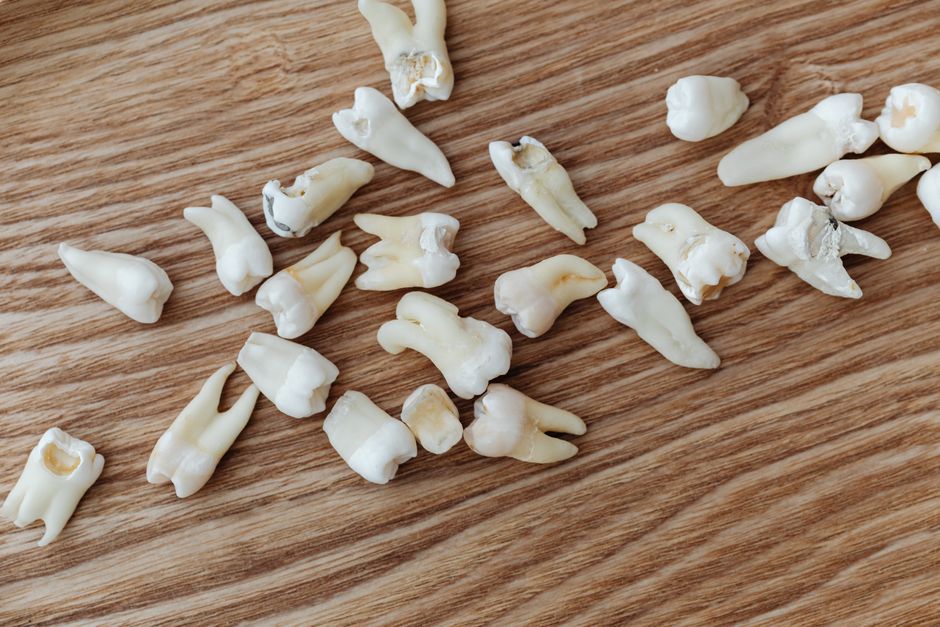
Tooth roots are the part of your tooth that sits below the gum line and anchors the tooth to your jawbone. You cannot brush or floss the root directly, but you can strengthen the structures that hold it in place. The most effective way to strengthen tooth roots at home is to maintain excellent oral hygiene to prevent gum disease and to support your jawbone with a diet rich in calcium, vitamin D, and phosphorus. Consistent daily care and proper nutrition are the only natural methods with solid evidence behind them.
What Actually Holds a Tooth Root in Place?
Your tooth root is not locked directly into bone. A network of fibers called the periodontal ligament connects the root to the jawbone. This ligament acts like a shock absorber, allowing your tooth to move slightly when you chew.
The health of this ligament and the surrounding bone depends on one thing above all: the health of your gums. When gums become inflamed from plaque buildup, the condition is called gingivitis. If left untreated, it can progress to periodontitis, where the gum tissue pulls away from the tooth and the bone underneath starts to dissolve. This bone loss is the real threat to tooth roots. Once bone is gone, the root has less support and the tooth becomes loose.
So strengthening tooth roots at home is really about preventing the conditions that weaken the supporting structures. You cannot regrow lost bone with home remedies, but you can stop the process from getting worse.
Can You Remineralize Tooth Roots?
Remineralization is a real biological process, but it applies mostly to the outer enamel layer of the crown of the tooth. The root surface is covered by a different material called cementum, which is softer than enamel and more vulnerable to damage.
If your gums have receded and exposed the root surface, that cementum can become sensitive and can develop decay. Some research suggests that fluoride and certain mineral-based products can help remineralize early root surface lesions. This is why fluoride toothpaste is so important for people with receding gums.
However, remineralization cannot rebuild the periodontal ligament or the jawbone. Those structures do not respond to topical minerals. If you are looking to strengthen the root’s attachment, you are looking at gum health and bone health, not remineralization of the root surface itself.
How To Strengthen Tooth Roots Naturally At Home: The Daily Routine
No supplement or herbal rinse can replace the mechanical removal of plaque. The foundation of root strength is a clean mouth.
Brush twice a day with a soft-bristled brush and fluoride toothpaste. Pay special attention to the gumline, where plaque tends to collect. Angle the bristles toward the gum at a 45-degree angle and use gentle circular motions. Aggressive brushing does more harm than good — it can wear away gum tissue and expose more of the root.
Floss once a day. This is not optional. The spaces between teeth are where plaque builds up fastest, and those are exactly the areas where gum disease starts. If traditional floss is difficult to manage, interdental brushes are an effective alternative. Some studies suggest they may be even better than floss at reducing plaque between teeth.
Consider a water flosser as a supplement, not a replacement. Water flossers can remove food particles and reduce gum inflammation, but they do not physically scrape plaque off the tooth surface the way string floss or interdental brushes do.
Finish with an alcohol-free mouthwash if you choose to use one. Look for one containing fluoride or cetylpyridinium chloride. These ingredients have evidence for reducing plaque and strengthening enamel. Alcohol-based mouthwashes can dry the mouth, and saliva is your body’s natural defense against the bacteria that cause gum disease.





Dietary Support for Tooth Roots and Jawbone
Your jawbone is living tissue that constantly remodels. It needs the same nutrients as any other bone in your body.
Calcium is the primary mineral in bone. Good sources include dairy products, leafy greens, fortified plant milks, and canned fish with bones. The recommended daily intake for adults is about 1,000 mg, rising to 1,200 mg for women over 50 and men over 70.
Vitamin D is essential because your body cannot absorb calcium without it. Your skin produces vitamin D from sunlight, but many people do not get enough, especially in winter months. Food sources include fatty fish, egg yolks, and fortified foods. If you are concerned about your levels, ask your doctor for a blood test rather than guessing with supplements.
Phosphorus works with calcium to build bone. It is found in meat, poultry, fish, eggs, and dairy. Most people get plenty of phosphorus in their diet, so deficiency is rare.
Vitamin C is critical for gum health specifically. Your gums are soft tissue, and vitamin C is required for collagen production, which is the structural protein in gum tissue. Scurvy, the disease caused by severe vitamin C deficiency, causes gums to bleed and teeth to loosen. While severe deficiency is rare today, marginal intake can still affect gum health. Citrus fruits, strawberries, bell peppers, and broccoli are good sources.
Lifestyle Factors That Weaken Tooth Roots
Some habits directly harm the structures that hold teeth in place.
Smoking is one of the strongest risk factors for periodontal disease. Tobacco use impairs blood flow to the gums, reduces the immune response, and slows healing. Smokers are significantly more likely to experience bone loss around teeth than nonsmokers. Quitting is one of the most effective things you can do for your tooth roots.
Teeth grinding, also called bruxism, puts excessive force on the periodontal ligament and can cause bone loss over time. Many people grind their teeth at night without knowing it. If you wake up with jaw pain, headaches, or worn teeth, talk to your dentist about a night guard. This is a dental appliance, not a natural remedy, but it protects the root attachment from physical damage.
Poor blood sugar control in people with diabetes increases the risk of gum disease. High blood sugar feeds the bacteria in plaque and impairs the body’s ability to fight infection. If you have diabetes, managing your blood sugar is part of protecting your tooth roots.
Medication side effects matter too. Some medications cause dry mouth as a side effect. Saliva neutralizes acids and washes away food particles. A chronically dry mouth creates an environment where plaque builds up faster and gum disease progresses quicker. If you take medications that dry your mouth, drink water frequently and talk to your doctor or dentist about strategies to manage it.
What About Natural Supplements and Herbal Remedies?
There is a lot of marketing around natural products for teeth and gums. The evidence is mixed at best.
Oil pulling — swishing coconut or sesame oil in your mouth for 15-20 minutes — is an ancient Ayurvedic practice. Some small studies suggest it may reduce plaque and gingivitis, likely because the mechanical swishing dislodges some bacteria. However, no evidence shows it can strengthen tooth roots or prevent bone loss. It is not a substitute for brushing and flossing.
Green tea contains catechins, which have anti-inflammatory properties. Some research has found that regular green tea consumption is associated with better periodontal health. This is observational evidence, meaning it shows a link but does not prove cause and effect. Drinking green tea is generally harmless, but do not expect it to reverse gum disease.
Vitamin D and calcium supplements have been studied for their effect on periodontal health. Some research suggests that people with higher intake have a lower risk of gum disease. However, supplementing beyond your body’s needs does not provide extra benefit. If you have a deficiency, correcting it is wise. If your levels are normal, extra supplements will not strengthen your teeth further.
Coenzyme Q10 is sometimes marketed for gum health. The evidence is very limited. A few small studies have suggested a possible benefit for gingivitis, but larger, well-designed trials have not confirmed this. No clinical evidence currently confirms that CoQ10 supplements strengthen tooth roots.
Be skeptical of any product that promises to “regrow” teeth or “cure” gum disease naturally. These claims are not supported by science. Once the supporting bone is lost, it does not grow back without professional intervention.
When Home Care Is Not Enough
Home care can prevent gum disease and slow its progression, but it cannot treat advanced periodontitis. If you have symptoms like bleeding gums, persistent bad breath, receding gums, or loose teeth, you need professional care.
A dentist or periodontist can perform a deep cleaning called scaling and root planing. This removes plaque and tartar from below the gumline, which you cannot reach at home. In more advanced cases, surgical treatments may be needed to restore gum attachment or regenerate bone.
Regular dental checkups are part of maintaining tooth roots. Most people should see a dentist every six months, though your dentist may recommend a different schedule based on your individual risk. Professional cleanings remove hardened tartar that brushing and flossing cannot remove. Early detection of gum disease gives you the best chance of stopping bone loss before it becomes serious.
Frequently Asked Questions
Can tooth roots grow back naturally?
No. Once the jawbone and periodontal ligament are lost to gum disease, they do not regenerate on their own. Professional dental treatment is required to restore support in advanced cases.
Does oil pulling strengthen tooth roots?
No evidence shows that oil pulling strengthens tooth roots or prevents bone loss. It may reduce plaque and gum inflammation in some small studies, but it cannot replace brushing and flossing.
What vitamin is best for tooth roots?
Vitamin D is essential because your body cannot absorb calcium without it, and calcium is the primary mineral in jawbone. Vitamin C is also important for healthy gum tissue.
How long does it take to strengthen teeth and gums?
With consistent good oral hygiene, gum inflammation can improve within one to two weeks. Strengthening the underlying bone support takes months and depends on the severity of any existing damage.
