
Phlox are hardy perennials that spread reliably through three main methods: division, stem cuttings, and seed. Division works best for most garden phlox and gives you mature plants fastest. Cuttings let you multiply a single favorite variety without disturbing the parent plant. Seed is the slowest route and does not produce plants identical to the parent, but it is the most affordable way to cover a large area. Each method has a clear best time of year and a simple set of steps that home gardeners can follow successfully.
When Is The Best Time To Divide Phlox?
Early spring is the best time to divide most phlox varieties. The plants are just emerging from dormancy, and the cooler weather reduces transplant shock. You can also divide in early fall, about six weeks before the first hard frost, which gives the roots time to establish before winter. Dividing in midsummer is risky because the heat stresses the plants and they may wilt badly even with regular watering.
Look for signs that division is needed. If the center of the clump looks dead or woody while the outer ring is healthy, the plant is overcrowded. Reduced flowering and smaller blooms are also common signals. Most phlox benefit from division every three to four years, though some gardeners divide every two years to keep plants vigorous.
How To Divide Phlox Step By Step
Water the plant thoroughly a day before you divide it. This softens the soil and reduces root damage. Use a sharp spade or garden fork to dig around the entire root ball, staying about six inches away from the stems. Lift the whole clump out of the ground and shake off loose soil so you can see the root structure.
Cut the clump into sections with a clean, sharp knife or spade. Each division should have at least three to five healthy shoots and a solid portion of roots. Discard the old woody center if it looks dry or dead. Trim any damaged or rotting roots before replanting.
Replant each division at the same depth it was growing before. Space tall garden phlox about 18 to 24 inches apart. Water deeply after planting and keep the soil consistently moist for the first two to three weeks. Adding a layer of mulch helps retain moisture and keeps the roots cool while they establish.
How To Propagate Phlox From Stem Cuttings
Stem cuttings work well for creeping phlox and tall garden phlox alike. Take cuttings in late spring to early summer, when the plant is actively growing but before it sets flower buds. Early morning is the best time because the stems are fully hydrated.
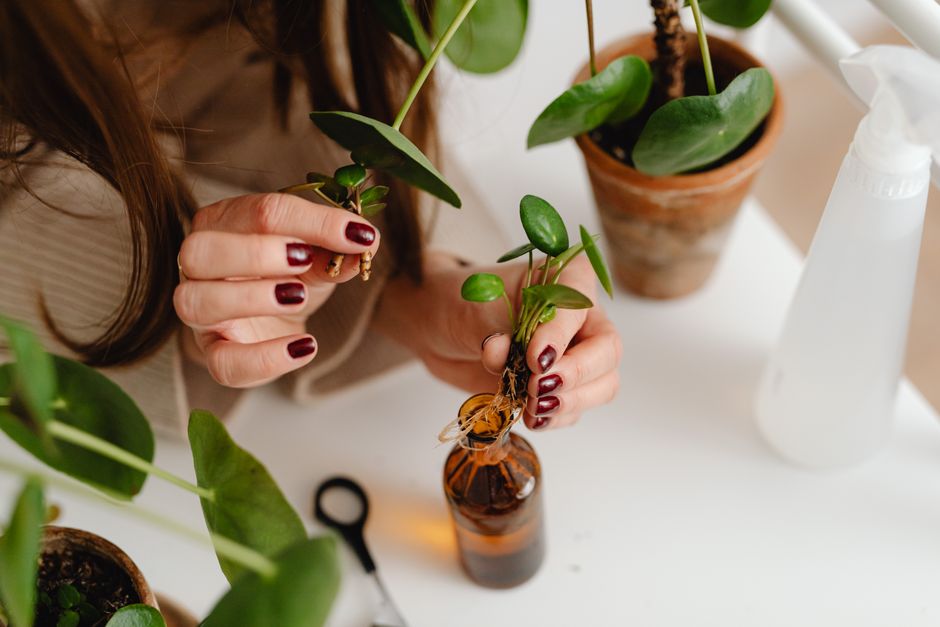
Select a healthy stem that is not flowering. Cut a four to six inch section just below a leaf node using clean, sharp scissors or pruning shears. Remove the leaves from the lower half of the cutting, leaving two or three sets of leaves at the top. Dip the cut end in rooting hormone powder if you have it — this speeds up rooting but is not strictly required.
Insert the cutting into a pot filled with moist, well-draining potting mix. A mix of half perlite and half peat moss works well. Push the cutting in deep enough that the bare leaf nodes are covered, since roots will form at those nodes. Water gently and cover the pot with a clear plastic bag or a propagation dome to maintain high humidity.
Place the pot in bright, indirect light. Avoid direct sun, which can cook the cutting inside the plastic cover. Roots typically form in two to four weeks. You will know rooting has occurred when you feel gentle resistance when you tug on the stem. Once rooted, gradually acclimate the new plant to normal room conditions over several days before moving it outdoors.


How To Propagate Phlox From Seed
Growing phlox from seed is straightforward but requires patience. Seeds can be started indoors six to eight weeks before the last expected frost date. Use a seed-starting mix and press the seeds lightly onto the surface — phlox seeds need light to germinate, so do not bury them deeply. A light dusting of soil or vermiculite is enough to hold them in place.
Keep the soil consistently moist and maintain a temperature around 65 to 70 degrees Fahrenheit. Germination typically occurs in 10 to 20 days. Once seedlings have two sets of true leaves, transplant them into individual pots. Harden them off gradually over a week before planting outdoors after all danger of frost has passed.
Some phlox species, particularly wild and native varieties, benefit from cold stratification. This means exposing the seeds to a period of cold, moist conditions before sowing to break dormancy. If you are collecting seed from your own plants, mix the seeds with slightly damp sand in a sealed bag and refrigerate for four to six weeks before planting. Many commercially sold phlox seeds have already been stratified, so check the seed packet before adding this step.
Division, Cuttings, Or Seed — Which Method Should You Choose?
Choose based on your goals and timeline. Division gives you the fastest results and guarantees plants identical to the parent. It is the best choice if you want to fill a bed quickly or rejuvenate an older, crowded plant. Cuttings are ideal when you want many new plants from a single specimen without digging up the original. Seed is the most economical for large areas but takes the longest and produces variable results — seedlings may differ in flower color and height from the parent plant.
For named cultivars and hybrids, division and cuttings are the only reliable methods. Seed-grown phlox from hybrid varieties will not come true to type. If you want to preserve a specific flower color or growth habit, stick with vegetative propagation.
Common Mistakes To Avoid When Propagating Phlox
The most common mistake is dividing or taking cuttings at the wrong time of year. Hot summer weather stresses the plants and dramatically reduces survival rates. Another frequent error is letting cuttings dry out. Even a short period of wilting can kill a cutting before roots form. Check the soil daily and mist the leaves if the plastic cover shows little condensation.
Overcrowding is another issue. Planting divisions too close together leads to poor air circulation, which encourages powdery mildew — a common phlox problem. Always follow the spacing recommendations for your specific variety. Tall garden phlox needs more room than creeping phlox.
Finally, do not skip the hardening-off step for seedlings or rooted cuttings. Moving them directly from a protected indoor environment into full sun and wind will shock them. Gradual exposure over a week prevents leaf scorch and stem damage.
How To Care For Newly Propagated Phlox
Newly propagated phlox need consistent moisture for the first growing season. Water deeply once or twice a week rather than giving shallow daily waterings. Deep watering encourages roots to grow downward, which builds a stronger plant. Apply a balanced fertilizer in early spring after new growth appears, but avoid high-nitrogen formulas that promote leafy growth at the expense of flowers.
Mulch around the base of the plants to retain soil moisture and suppress weeds. Keep the mulch an inch or two away from the stems to prevent rot. Tall varieties may need staking, especially in windy locations. Pinch back the growing tips of young plants in late spring to encourage bushier growth and more flower stems.
Watch for powdery mildew, which appears as a white powdery coating on leaves. Good air circulation, proper spacing, and watering at the base of the plant rather than overhead all reduce the risk. If mildew appears, remove affected leaves and improve airflow around the plant.
Frequently Asked Questions
Can you divide phlox in the summer?
Summer division is risky because heat stresses the plants and they often wilt despite regular watering. Early spring or early fall are the safe times for dividing phlox.
How long does it take for phlox cuttings to root?
Phlox stem cuttings typically root in two to four weeks under bright, indirect light and high humidity. You can check for roots by gently tugging on the stem after about three weeks.
Will phlox grown from seed bloom the first year?
Most phlox grown from seed will not bloom in their first year. Most varieties bloom in their second year, so patience is required with this method.
Do phlox seeds need cold stratification?
Some wild and native phlox species benefit from cold stratification, but many commercially sold seeds have already been treated. Check the seed packet for specific instructions before planting.
