
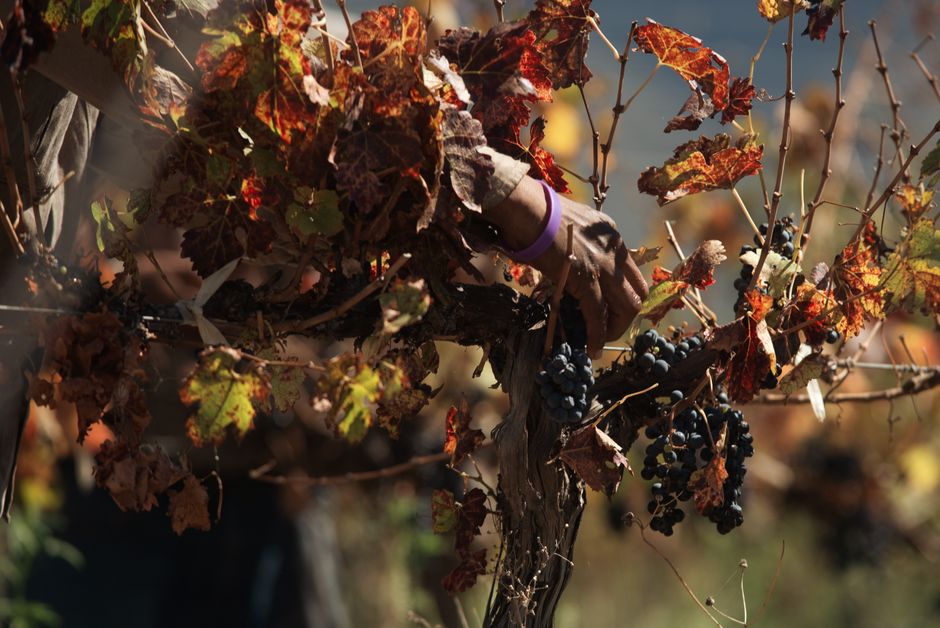
Grapevines clone more easily than almost any other fruiting plant. You cut a dormant stem in winter, plant it in soil, and it grows roots and becomes a genetically identical vine. The method is called hardwood cutting propagation, and home gardeners have used it for centuries.
Here is the short version. Take a cutting from a dormant vine in late winter. Choose a stem about the thickness of a pencil with at least three buds. Cut it 12 to 18 inches long. Plant it in well-drained soil or rooting medium with two buds below the surface and one above. Keep it moist and wait. Roots usually form within four to eight weeks, though the vine may not be ready to plant in its permanent spot for a full year.
That is the whole process. The details matter, but the concept is simple. A grapevine cutting carries all the genetic information it needs to become a full vine. You are not growing from seed, so the new plant will be identical to the parent in fruit type, flavor, and growth habit.
Why Do Grapevines Grow From Cuttings So Easily?
Grapevines have a strong natural ability to form roots from stem tissue. Many plants can do this, but grapes are unusually good at it. The reason comes down to specialized cells in the stem called parenchyma cells.
When a grape stem is cut and placed in the right conditions, these cells near the wound can change into root cells. This process is called dedifferentiation. The cells essentially reset and take on a new job. Grape stems also contain pre-formed root initials, which are small clusters of cells already positioned to become roots. When conditions allow, they activate quickly.
This is why grape cuttings often succeed where cuttings from other fruit trees fail. Apples, cherries, and most nut trees root poorly from hardwood cuttings. Grapes do it reliably. Commercial vineyards depend on this trait. Nearly all wine grapes, table grapes, and raisin grapes grown worldwide are planted as cuttings or grafts, not as seedlings.
One point worth knowing. Growing from seed produces a vine with different genetics than the parent. Growing from a cutting produces a clone. For anyone who wants the same fruit as the vine they already have, cuttings are the only reliable way.
When Should You Take Hardwood Cuttings From a Grapevine?
Late winter is the right time. The vine must be fully dormant, meaning it has dropped its leaves and stopped active growth. In most of the United States, that window runs from December through February, depending on your climate zone.
The key is dormancy. A cutting taken during the growing season will likely dry out and die before it roots. A dormant cutting has stored energy in its tissue and can survive weeks without roots while it forms them.
Take cuttings after the vine has been through at least a few hard frosts. This ensures full dormancy. But do not wait until buds begin to swell in spring. Once the vine breaks dormancy, the cutting puts energy into leaf growth instead of root growth, and success rates drop.
You can also take cuttings in late fall and store them in a cool, moist place until planting time. A refrigerator works for this if the temperature stays around 35 to 40 degrees Fahrenheit. Wrap the cuttings in damp paper towels or sphagnum moss and place them in a plastic bag. Do not let them freeze or dry out.
How Do You Choose and Prepare the Right Cutting?
Start with healthy, disease-free wood from the previous season’s growth. This is the stem that grew last summer, not the older, woody trunk. The best canes are about the thickness of a pencil, roughly a quarter inch in diameter.
Look for canes with tight, intact bark and no signs of damage. Avoid any wood with dark spots, cracking, or soft areas. These can indicate disease that will kill the cutting.
Make each cutting 12 to 18 inches long with at least three buds. Buds are the small bumps along the cane where leaves and new shoots emerge. Count them carefully. More buds generally means more stored energy, but longer cuttings can be harder to handle.
Cut the bottom end straight across, just below a bud. Cut the top end at a slight angle, about an inch above the top bud. The angled cut helps you tell which end is which, and it also lets water drain off the top. This prevents rot.
If you are rooting several cuttings, bundle them with the bottom ends aligned. This makes them easier to handle and store.




What Is the Best Way to Root Grape Cuttings?
Two methods work well. You can root cuttings directly in the ground outdoors, or you can start them indoors in containers. Outdoor rooting is simpler but depends more on weather. Indoor rooting gives you more control.
For outdoor rooting, choose a spot with well-drained soil and partial sun. Push the cutting into the soil so two buds are below the surface and one is above. Firm the soil around it. Water thoroughly. Space cuttings about six inches apart.
For indoor rooting, use a clean container filled with a mix of potting soil and perlite or coarse sand. This improves drainage. Plant the cutting the same way, with two buds buried and one exposed. Water it and keep the medium moist but not soggy.
Some growers dip the bottom of the cutting in rooting hormone before planting. The evidence for rooting hormones on grapes is mixed. Some studies suggest they help. Others show grape cuttings root well without them. If you use rooting hormone, follow the package directions. Do not over-apply, as too much can inhibit root growth.
Keep indoor cuttings at room temperature, around 65 to 75 degrees Fahrenheit. Bright, indirect light is best. Direct sun can overheat a cutting that has no roots to replace lost water.
How Long Until Grape Cuttings Develop Roots?
Roots typically begin to form within four to eight weeks. The exact timing depends on temperature, moisture, and the health of the cutting. You may see small white roots through the drainage holes of a container, or you can gently tug the cutting. If it resists, roots have formed.
Do not rush this stage. A cutting that looks dead above ground may be building roots below. Leaves may not appear until roots are well established. In fact, a cutting that leafs out too early is often a sign of trouble, because it is using stored energy before it can take up water.
Once roots are established and new growth appears, the vine is on its way. But it is not ready for a permanent spot yet. Most grape cuttings need a full growing season to develop a strong enough root system to survive on their own.
What Are Common Mistakes That Kill Grape Cuttings?
Most failures come from a few predictable mistakes. Knowing them ahead of time improves your odds.
- Planting the cutting upside down. Buds point up. If you plant it the wrong way, it will not grow.
- Letting the cutting dry out. Cuttings have no roots to replace lost water. Keep the medium consistently moist.
- Overwatering. Soggy soil causes rot. The medium should be moist, not wet.
- Taking cuttings at the wrong time. Dormant wood is essential. Active growth wood usually fails.
- Using damaged or diseased wood. Healthy parent material is the foundation of success.
- Exposing cuttings to freezing temperatures. Cold can kill the buds and tissue.
One more thing. Do not expect every cutting to root. Even experienced growers see some failures. Taking more cuttings than you need is a reasonable approach.
When Can You Plant Rooted Grape Cuttings in the Ground?
Wait until the cutting has a well-developed root system and has been through at least one full growing season in its container or nursery bed. This usually means planting it in its permanent spot the following fall or the next spring.
Choose a site with full sun and good drainage. Grapevines do not tolerate wet feet. Plant the vine at the same depth it was growing before, and water it well. Keep young vines watered during their first year, especially in dry weather.
The vine will not produce fruit immediately. Most grapevines take two to three years after planting to bear a meaningful crop, and some varieties take longer. Be patient. The wait is normal.
If you are cloning a vine you already own, you already know what the fruit tastes like. That is the main advantage of this method. The new vine will be a genetic copy, so the fruit will match the parent vine.
Frequently Asked Questions
Can you root grape cuttings in water?
You can, but it is not the most reliable method. Cuttings rooted in water often develop weak roots that struggle to adapt when planted in soil, so rooting in a moist medium is generally better.
Do grape cuttings need rooting hormone?
Not necessarily. Grape cuttings root well on their own, and the evidence for rooting hormone on grapes is mixed. Some growers use it, but it is not required for success.
How many buds should a grape cutting have?
A good cutting has at least three buds, with two planted below the soil surface and one above. More buds can provide more stored energy, but three is the practical minimum.
Can you take grape cuttings in spring?
It is possible, but success rates are lower than with dormant winter cuttings. The vine must be fully dormant for best results, so late winter is the preferred time.
