
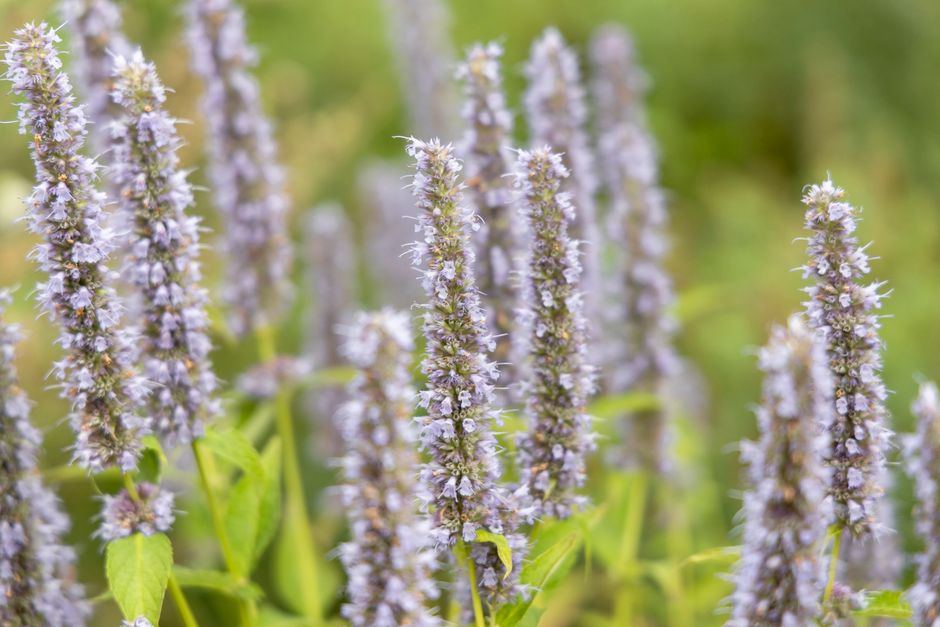
Agastache, often called hummingbird mint or giant hyssop, can be propagated in three reliable ways: by seed, by stem cuttings, and by division. Each method works, but they do not all work the same way or at the same time of year. Seed is the easiest and cheapest route, though seed-grown plants may not match the parent exactly. Cuttings and division produce exact genetic copies, which matters if you are growing a named cultivar with a specific flower color or scent.
This article explains all three methods in plain terms, including which one fits your situation, what time of year to do it, and the common mistakes that cause failures.
What Is Agastache and Why Does Propagation Method Matter?
Agastache is a genus of flowering perennials in the mint family, native mostly to North America and East Asia. Gardeners value it for its long bloom season, its tolerance of heat and drought, and its strong appeal to pollinators. The leaves of many species carry a scent resembling anise, licorice, or mint.
The genus includes both species and cultivated varieties. This distinction drives everything about propagation. If you grow a species plant from seed, the offspring will generally resemble the parent. If you grow a named cultivar — a specific selection like a particular flower color or compact habit — seed-grown offspring often will not match it. That is not a flaw in the seed. It is how plant genetics works when a cultivar is a hybrid or a selected clone.
So the first question is not “which method is best” but “what am I trying to reproduce.”
- Seed: good for species plants, mass planting, and low cost. Offspring vary.
- Cuttings: produce exact copies of a named cultivar. Requires a growing plant to take material from.
- Division: also produces exact copies. Best for established clumps that need thinning anyway.
One clarification worth making: agastache is sometimes sold as an annual in colder regions even though it is botanically perennial. Cold hardiness varies widely by species and cultivar, and many popular garden varieties are only reliably hardy in warmer zones. That matters for propagation because a plant you intend to overwinter may not survive regardless of how well you rooted it.
Method 1: Growing Agastache From Seed
Seed is the most accessible method and the one most gardeners try first. Agastache seed is generally small and does not need special treatment to germinate, though germination rates and timing vary by species.
When to sow
Start seed indoors several weeks before your last expected frost, or sow directly outdoors after the soil has warmed. Indoor starting gives you more control over moisture and temperature. Check the seed packet for species-specific timing, since agastache species differ in how quickly they germinate.
How to sow
Use a light, well-draining seed-starting mix. Agastache seed needs light to germinate in many cases, so press it gently onto the surface rather than burying it deeply. A thin dusting of vermiculite is enough to hold moisture without blocking light.
Keep the medium consistently moist but not saturated. Saturated soil is a common cause of failure — the seed rots before it sprouts. A humidity dome helps early on, but remove it once seedlings emerge to reduce damping-off, a fungal problem that kills young seedlings at the soil line.
What to expect
Germination timing varies by species and by conditions. Some agastache germinate within a couple of weeks; others take considerably longer. Do not assume failure too early.
Once seedlings have their first true leaves, thin or transplant them so they are not competing. Harden them off gradually before planting outdoors. Expect variation in flower color, plant size, and scent among the seedlings — that is normal, not a sign you did something wrong.
Method 2: Propagating Agastache From Stem Cuttings
Cuttings are how you reproduce a specific plant exactly. If you have a cultivar you love, this is the method that preserves it. The tradeoff is that cuttings require a healthy parent plant and more attention to humidity and moisture.
When to take cuttings
Take softwood or semi-ripe cuttings in late spring or early summer, when the plant is actively growing but not yet flowering heavily. Avoid taking cuttings from flowering stems — the plant puts energy into the flower rather than into root formation.
How to take and root a cutting
- Cut a stem section a few inches long, just below a leaf node. The node is where roots form most readily.
- Strip the leaves from the lower portion of the cutting, leaving a few leaves at the top.
- Optionally dip the cut end in rooting hormone. It can improve results, though many plants root without it.
- Insert the cutting into a light, sterile, well-draining medium such as perlite, vermiculite, or a seed-starting mix.
- Keep humidity high and the medium evenly moist. A plastic bag or dome over the pot works, but ventilate it regularly to prevent rot.
- Keep the cutting out of direct harsh sun while it roots.
Rooting takes time, and the exact timeline depends on conditions and species. Do not tug on the cutting to check for roots — resistance when you gently tug is a sign roots have formed, but a firm pull can tear away new roots. Wait until you see new growth before transplanting.
One non-obvious point: agastache is in the mint family, and some mint relatives root very easily from cuttings while others are fussier. Agastache tends to fall somewhere in the middle. Do not be discouraged if your first batch does not all take. Take more cuttings than you need.




Method 3: Propagating Agastache by Division
Division is the simplest method in principle. You dig up an established clump and split it into smaller sections, each with roots and shoots, then replant them. Each new section becomes an independent plant that is genetically identical to the original.
When to divide
Divide in early spring as new growth begins, or in fall after the plant has finished blooming and the weather has cooled. Avoid dividing in the heat of summer, when transplant shock is hardest on the plant.
How to divide
- Water the plant a day before to reduce stress.
- Dig around the clump and lift it, keeping as much root as you can.
- Separate the clump by hand, with two forks back to back, or with a clean spade for tough crowns.
- Replant each section at the same depth it was growing before, and water thoroughly.
Division has a practical advantage beyond propagation: it rejuvenates crowded plants. Agastache clumps can become woody or thin in the center over time, and dividing them restores vigor. So you get new plants and a healthier original.
When division does not work well
Not every agastache divides cleanly. Some species and cultivars form tight, woody crowns that are difficult to separate without damaging them. If the crown is very woody, cuttings may be the better route.
Which Agastache Propagation Method Should You Choose?
| Method | Best for | Genetic match to parent | Relative difficulty |
|---|---|---|---|
| Seed | Species plants, mass planting, low cost | Varies; often not exact | Easiest |
| Cuttings | Named cultivars you want to copy | Exact clone | Moderate |
| Division | Established clumps that need thinning | Exact clone | Easy to moderate |
If you want more plants of a plant you already have, and it is an established clump, division is usually the fastest path. If you want to copy a specific cultivar but the plant is young or the crown is woody, take cuttings. If you want a lot of plants cheaply and do not mind variation, start from seed.
You can also combine methods. Take cuttings in early summer, divide in fall, and sow seed in spring. Between the three, you can keep an agastache collection going indefinitely.
Common Mistakes That Cause Agastache Propagation to Fail
Most failures come down to a few avoidable problems.
- Overwatering. Saturated soil rots seed and cuttings. Moist, not soaked, is the target.
- Burying seed too deep. Many agastache seeds need light to germinate. Press them onto the surface.
- Taking cuttings from flowering stems. The plant directs energy to the flower, not to roots.
- Dividing in summer heat. Transplant shock is worse when the plant is already stressed.
- Expecting seed-grown plants to match a cultivar. They usually will not, and that is normal.
One more point on expectations: agastache grown from seed can take a season to reach full size, and some species may not bloom until their second year. Cuttings and divisions tend to establish faster because they start with an existing root or shoot structure, but they still need time to settle in.
Frequently Asked Questions
Can you propagate agastache from cuttings in water?
Agastache cuttings can root in water, but roots formed in water tend to be weaker and can struggle when moved to soil. Rooting directly in a sterile, well-draining medium usually gives better results.
How long does it take agastache seed to germinate?
Germination timing varies by species and conditions, and some agastache take considerably longer than others. Do not assume failure too early, and check the seed packet for species-specific guidance.
Will agastache grown from seed look like the parent plant?
Species agastache grown from seed often resemble the parent, but named cultivars usually will not match exactly. If you need an exact copy of a specific cultivar, use cuttings or division instead.
What is the best time of year to divide agastache?
Early spring as new growth starts, or fall after blooming, are the best times to divide agastache. Avoid dividing during the heat of summer, when transplant shock is hardest on the plant.
