
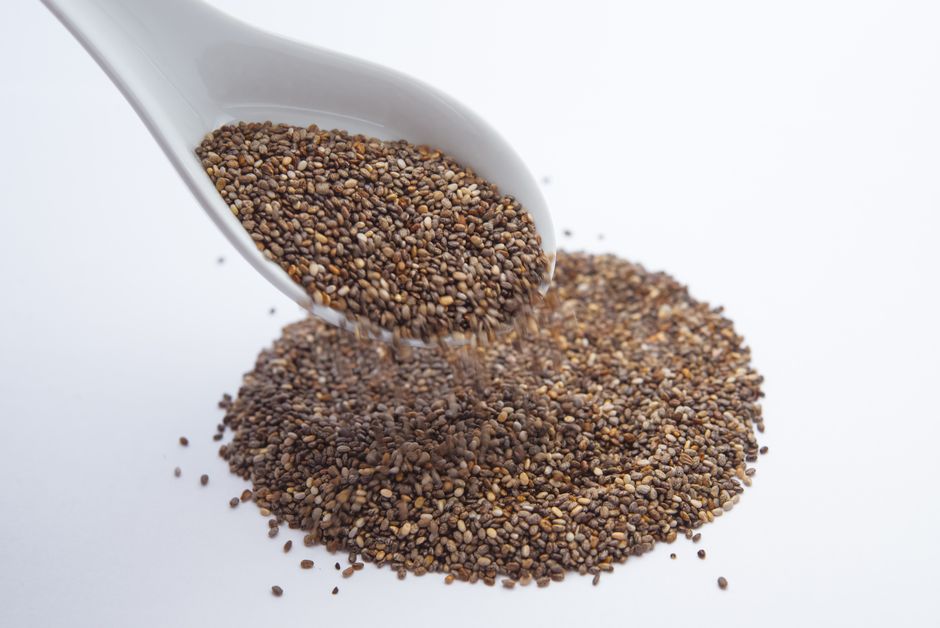
Black seed oil comes from the seeds of Nigella sativa, a flowering plant grown across the Middle East, South Asia, and parts of Africa. People have used the seeds and their oil for cooking and traditional medicine for a very long time. The oil contains thymoquinone, a compound that has drawn most of the scientific attention given to this plant. Research in laboratory and animal studies suggests thymoquinone has anti-inflammatory and antioxidant activity. What that means for people taking the oil is a more complicated question, and the honest answer is that human evidence is far thinner than the volume of online claims would suggest.
What Does Black Seed Oil Do For The Body?
Black seed oil appears to affect the body in several ways, but most of what researchers know comes from lab work and animal studies rather than large human trials. The oil’s main active compound, thymoquinone, has shown anti-inflammatory and antioxidant effects in those settings. Whether those effects translate into meaningful health benefits in people is not well established.
Here is what the evidence actually supports, and where it runs out.
Laboratory studies have found that thymoquinone can influence several biological pathways, including ones involved in inflammation and oxidative stress. That is a real finding. It is also a long way from proving that swallowing the oil changes the course of any disease.
Some small human trials have looked at black seed oil for specific conditions. Many of these studies are small, short, and vary widely in how much oil was used and for how long. That makes it hard to draw firm conclusions. When a handful of small studies point in different directions, the honest summary is that the evidence is mixed, not that the question is settled.
One thing worth separating out: the seeds themselves are a food. People have eaten them for centuries. The concentrated oil is a different product, and traditional use is not the same thing as demonstrated clinical benefit.
Does Black Seed Oil Help With Inflammation?
Inflammation is where black seed oil has the strongest laboratory support and the weakest human confirmation. Animal studies have repeatedly shown reductions in inflammatory markers after black seed oil exposure. Human data are much more limited.
A few small human studies have measured markers like C-reactive protein or other inflammatory signals after participants took black seed oil. Some reported decreases. But these studies tend to be small, and small studies are prone to producing results that do not hold up when repeated in larger groups.
It is also worth understanding what “anti-inflammatory” means in practice. Many things reduce inflammatory markers in a blood test without changing how a person feels or altering the course of a disease. A lowered lab value is not automatically a health benefit.
If you have a condition driven by chronic inflammation, the treatments with strong evidence behind them are specific and well studied. Black seed oil is not among them. Some people may choose to try it alongside standard care, but it should not replace it.
What Does the Research Say About Black Seed Oil and Blood Sugar?
Several small trials have examined black seed oil in people with type 2 diabetes, and some reported modest improvements in fasting blood sugar or other measures. The studies are generally small and short, and results have not been consistent across all of them.
This is a topic where caution matters more than enthusiasm. Diabetes is a condition where uncontrolled blood sugar causes real harm over time, and the treatments with proven benefit are well established. If someone with diabetes wants to try black seed oil, that is a conversation to have with their clinician, not a decision to make based on small trials.
There is also a practical safety point. Black seed oil may interact with blood sugar–lowering medications. Combining something that affects blood sugar with a drug that does the same thing can push levels too low. That is a genuine concern, not a theoretical one.
Can Black Seed Oil Lower Cholesterol?
Some small studies have looked at black seed oil and blood lipid levels, and a few reported changes in total cholesterol or LDL cholesterol. The evidence is not strong enough to say the oil reliably lowers cholesterol in people.
Cholesterol management is another area with well-established, well-tested options. Statins, dietary changes, and other interventions have large bodies of evidence behind them. Black seed oil does not. A handful of small trials reporting modest changes is not the same as a proven treatment.
If your cholesterol is elevated, the thing that will most reliably change it is not a supplement. That is worth saying plainly because the marketing around this oil often implies otherwise.
Does Black Seed Oil Help With Skin, Hair, or Allergies?
These are among the most common reasons people search for black seed oil, and they are also among the areas with the least reliable evidence.
For skin, black seed oil is sometimes applied topically. Some small studies have looked at it in conditions like acne or eczema, but the evidence is limited and the studies are not strong enough to support a general recommendation. Applying oil to skin can also cause irritation in some people, particularly those with sensitive skin or existing skin conditions.
For hair, there is very little rigorous human research. Claims about hair growth or reduced shedding are largely not supported by controlled trials.
For allergies, some small studies have examined black seed oil in allergic conditions like allergic rhinitis. Results have been mixed, and the studies are small. No large trial has confirmed a clear benefit.
A pattern runs through all of these: small studies, mixed results, and marketing that outruns the evidence.
Is Black Seed Oil Safe, and What Are the Risks?
Black seed oil is generally tolerated when taken in small amounts by mouth, but “generally tolerated” is not the same as “risk-free.”
Common side effects reported include stomach upset, nausea, and changes in appetite. Some people experience skin reactions when the oil is applied topically.
More importantly, black seed oil can interact with medications. It may affect blood clotting, which matters for anyone taking blood thinners or preparing for surgery. It may also interact with blood sugar–lowering drugs and with some other medications. These are not minor considerations.
There is no reliable dosing data for pregnant women, breastfeeding women, infants, or children. No clinical guidelines currently exist for these groups. Given that uncertainty, these populations should treat black seed oil as something to discuss with a clinician rather than something to take on their own.
If you take prescription medication, or have a chronic condition, the safe move is to talk to your doctor or pharmacist before starting black seed oil. That is not a formality. Interactions are real and sometimes serious.
How Does Black Seed Oil Compare to Standard Treatments?
It does not compare, and that is the most important thing to understand about it.
| Area | Black Seed Oil Evidence | Standard Treatment Evidence |
|---|---|---|
| Inflammation | Small, mixed human studies; strong animal data | Multiple large trials for specific conditions |
| Blood sugar | Small trials, inconsistent results | Large trials with established benefit |
| Cholesterol | Limited, not reliable | Large trials, well established |
| Skin conditions | Very limited | Varies by condition, generally better studied |
This table is not meant to dismiss black seed oil. It is meant to place it honestly. The oil has interesting laboratory properties. That is genuinely worth studying further. But interesting laboratory properties are not the same as proven clinical benefits, and the gap between the two is where most supplement marketing lives.
If you are considering black seed oil, the reasonable position is this: it may be worth discussing with your clinician, it should not replace proven treatments, and the evidence for most of the claims made about it is not there yet.
Frequently Asked Questions
What does black seed oil do for the body?
Black seed oil contains thymoquinone, a compound that has shown anti-inflammatory and antioxidant activity in laboratory and animal studies. Human evidence for specific health benefits is limited and mixed.
Can black seed oil lower blood sugar?
Some small trials in people with type 2 diabetes reported modest changes in blood sugar, but results have not been consistent. It may interact with blood sugar–lowering medications, so talk to your doctor first.
Is black seed oil safe to take every day?
It is generally tolerated in small amounts by mouth, but it can interact with blood thinners, diabetes medications, and other drugs. There is no reliable dosing data for pregnant women, breastfeeding women, or children.
Does black seed oil help with hair growth?
There is very little rigorous human research on black seed oil and hair growth. Claims about reduced shedding or new growth are not supported by controlled trials.
