
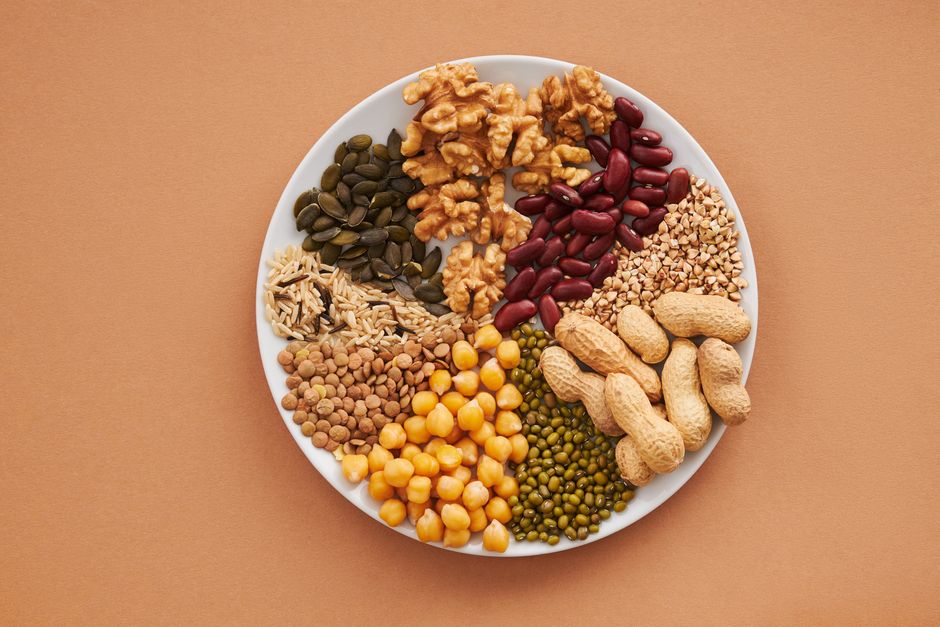
Your kidneys filter about 150 quarts of blood every day. They remove waste, balance fluids, and help control blood pressure. Most people never think about them until something goes wrong. That is a mistake. Kidney disease often develops silently over years, and by the time symptoms appear, significant damage may already be done. The good news is that keeping your kidneys healthy is mostly about consistent daily habits, not complicated medical interventions. Here are eight proven ways to protect your kidneys and keep them working well for decades.
How To Keep Your Kidneys Healthy 8 Proven Tips?
Eight habits stand out because they address the main ways kidneys get damaged: high blood pressure, high blood sugar, dehydration, and exposure to harmful substances. These tips are not fads. They are backed by decades of medical research and are the same advice nephrologists give their own patients.
- Stay well hydrated by drinking water throughout the day
- Keep blood pressure below 120/80 mmHg
- Manage blood sugar if you have diabetes or prediabetes
- Limit over-the-counter pain relievers, especially NSAIDs
- Eat a diet low in sodium and processed foods
- Maintain a healthy weight through regular physical activity
- Do not smoke and limit alcohol intake
- Get regular kidney function tests if you are at higher risk
These eight habits work together. None of them is a magic bullet. Together, they address the most common causes of chronic kidney disease: diabetes and high blood pressure, which account for about two-thirds of all cases.
Why Hydration Matters More Than You Think
Water is the medium through which your kidneys do their work. They use water to dissolve waste products and carry them out of the body as urine. When you are dehydrated, your urine becomes concentrated, which makes it harder for the kidneys to flush out waste efficiently. Over time, chronic low-level dehydration can put unnecessary strain on kidney tissue.
How much water do you need? The common advice of eight glasses a day is a reasonable starting point, but your actual needs depend on your body size, activity level, and climate. A better guide is urine color. Pale yellow means you are well hydrated. Dark yellow or amber means you need more fluids. Clear like water means you are drinking more than necessary, which is not harmful for most people but also not helpful.
One important caution: if you already have kidney disease, your doctor may recommend limiting fluids. Damaged kidneys sometimes cannot excrete excess water, and drinking too much can lead to fluid buildup. Follow your healthcare provider’s specific advice if you have a diagnosed kidney condition.
Blood Pressure Control Is the Single Most Important Step
High blood pressure is the second leading cause of kidney failure in the United States. It damages the tiny blood vessels in the kidneys called glomeruli. These vessels act as filters. When they are subjected to high pressure for years, they thicken and stiffen, and their filtering ability declines.
The damage is usually silent. You rarely feel high blood pressure. It does not cause headaches or dizziness in most people. The only way to know your numbers is to check them regularly. A normal reading is below 120/80 mmHg. If your readings consistently run higher, talk to your doctor about lifestyle changes and possibly medication.
Reducing sodium intake is one of the most effective dietary changes for blood pressure. Most Americans consume far more sodium than needed, mostly from processed and restaurant foods, not from the salt shaker. The American Heart Association recommends limiting sodium to no more than 2,300 milligrams per day, with an ideal limit of 1,500 milligrams for most adults, especially those with high blood pressure.





Blood Sugar Management Protects the Kidney Filters
Diabetes is the leading cause of kidney failure in the United States. High blood sugar damages the same filtering units that high blood pressure damages, but through a different mechanism. Excess glucose in the blood binds to proteins in the kidney filters, causing them to thicken and leak protein into the urine. This condition, called diabetic nephropathy, progresses over 10 to 20 years if blood sugar is not controlled.
If you have diabetes, keeping your blood sugar in your target range is the most powerful thing you can do to protect your kidneys. The target range varies by individual, but a general goal for many adults with diabetes is an A1C below 7 percent. A1C is a blood test that shows your average blood sugar over the past two to three months.
Even if you do not have diabetes, avoiding sustained high blood sugar is wise. Prediabetes, a condition where blood sugar is higher than normal but not yet in the diabetic range, also increases kidney risk over time. Regular physical activity and a diet low in refined carbohydrates help keep blood sugar stable.
Over-the-Counter Pain Relievers Can Harm Kidneys
Nonsteroidal anti-inflammatory drugs, commonly called NSAIDs, are among the most widely used medications in the world. They include ibuprofen (Advil, Motrin), naproxen (Aleve), and prescription-strength versions. They work by blocking enzymes that produce inflammation, but those same enzymes also help regulate blood flow to the kidneys.
When you take NSAIDs regularly, they can reduce blood flow to the kidneys, which over time damages kidney tissue. This is especially true if you take them daily for chronic pain, take them in high doses, or combine them with other medications that affect the kidneys, such as certain blood pressure drugs or diuretics.
Occasional use for a headache or a sore muscle is generally safe for people with healthy kidneys. The risk rises with frequency and dose. If you find yourself reaching for NSAIDs more than a few times a month, talk to your doctor about safer alternatives. Acetaminophen (Tylenol) is less harmful to the kidneys but can damage the liver in high doses, so it is not a free pass either.
Dietary Choices That Support Kidney Health
The same diet that protects your heart also protects your kidneys. This makes sense because the two organ systems are closely connected. A diet that keeps blood pressure and blood sugar stable reduces the workload on both.
Focus on whole foods: vegetables, fruits, whole grains, lean proteins, and healthy fats. Limit processed foods, which are typically high in sodium, added sugars, and unhealthy fats. Reading nutrition labels matters. Many packaged foods that do not taste salty still contain surprising amounts of sodium.
Potassium is worth understanding. It is an essential mineral that helps regulate blood pressure, and most people need more of it. Foods like bananas, potatoes, spinach, and beans are excellent sources. However, if you already have kidney disease, your doctor may advise limiting potassium because damaged kidneys cannot remove excess potassium from the blood, and high levels can cause dangerous heart rhythm problems. For people with healthy kidneys, potassium is protective, not harmful.
Lifestyle Factors: Smoking, Alcohol, and Weight
Smoking narrows blood vessels throughout the body, including those in the kidneys. This reduces blood flow and oxygen delivery to kidney tissue. Smokers have a higher risk of developing kidney disease, and smokers who already have kidney disease progress to kidney failure faster than nonsmokers. Quitting smoking is one of the most impactful things you can do for your kidneys, regardless of how long you have smoked.
Heavy alcohol use is also harmful. It can cause dehydration, raise blood pressure, and damage the liver, which in turn affects kidney function. Moderate drinking defined as up to one drink per day for women and up to two for men appears to be safe for most people, but exceeding these limits increases risk.
Excess body weight puts strain on the kidneys in multiple ways. It raises blood pressure, increases the risk of diabetes, and directly increases the workload on kidney filters. Weight loss of even 5 to 10 percent of body weight can meaningfully reduce blood pressure and improve blood sugar control in people who are overweight.
Know Your Risk and Get Tested
Kidney disease often has no symptoms until it is advanced. That is why testing is essential for people at higher risk. You are at higher risk if you have diabetes, high blood pressure, a family history of kidney disease, or are over age 60. If you fall into any of these categories, ask your doctor about getting your kidneys checked.
Two simple tests give a clear picture of kidney health. The first is a blood test for creatinine, which is a waste product that healthy kidneys filter out. Your doctor uses the creatinine level to calculate your estimated glomerular filtration rate, or eGFR. A normal eGFR is 90 or above. Below 60 for three months or more indicates chronic kidney disease.
The second test is a urine test for albumin. Albumin is a protein that should stay in the blood. When it appears in urine, it is an early sign that the kidney filters are leaking. This test can detect kidney damage years before blood tests show a problem.
If you have no risk factors and are under 60, testing every few years is reasonable. If you have risk factors, annual testing is wise. Early detection matters because treatments can slow or halt the progression of kidney disease, but they cannot reverse damage that has already occurred.
Frequently Asked Questions
What is the first sign of kidney problems?
Most people have no symptoms in the early stages of kidney disease. The first signs often appear on blood or urine tests, not as physical symptoms.
Can drinking more water prevent kidney stones?
Yes, staying well hydrated is one of the most effective ways to prevent kidney stones because it keeps urine diluted and reduces the concentration of stone-forming minerals.
Are energy drinks bad for your kidneys?
Regular consumption of energy drinks may increase kidney strain due to high caffeine content and added sugars, and some research suggests they may raise the risk of kidney injury, though more studies are needed.
How often should I get my kidneys checked?
If you have diabetes, high blood pressure, or a family history of kidney disease, get tested annually. Otherwise, testing every few years is reasonable if you are over 60.
