
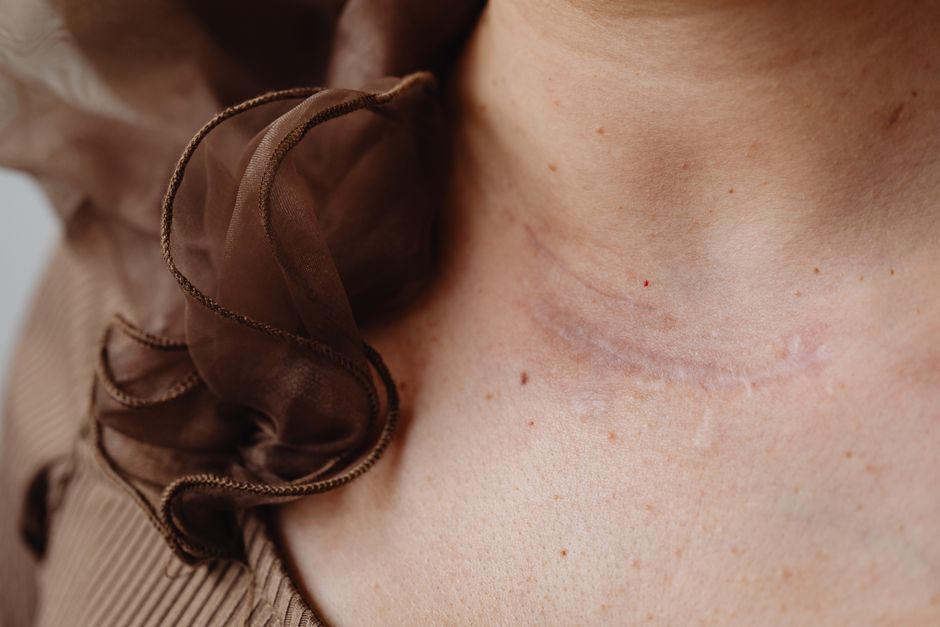
Scar tissue forms when the body repairs damaged skin, muscles, tendons, or ligaments. It is thicker and less flexible than normal tissue. Releasing it means restoring movement, reducing pain, and improving how the tissue slides and stretches. The most effective methods include targeted stretching, massage, instrument-assisted techniques, and in some cases, medical procedures. Each approach works differently depending on the scar’s age, location, and depth.
What Is Scar Tissue and Why Does It Tighten?
Scar tissue is the body’s natural patch after injury. When collagen fibers repair a wound, they lay down in a disorganized, dense pattern. Normal tissue has a crisscross, flexible structure. Scar tissue is more like a tangled web. This makes it stiffer and less elastic than the tissue around it.
Adhesions are another part of the problem. These are bands of scar tissue that form between structures that should move independently, like between skin and muscle or between tendons and their sheaths. When adhesions form, normal gliding motion stops. That is why a scar can limit movement even if the scar itself is small.
Age matters. A fresh scar is still remodeling and responds well to gentle techniques. An older scar, one year or more, has settled into its final structure. It may require more aggressive approaches or repeated treatments over time.
How To Release Scar Tissue Methods Treatments: The Main Options
The treatment landscape breaks into three broad categories: manual techniques, instrument-assisted methods, and medical interventions. Most people start with manual techniques because they are accessible and low-risk.
Manual therapy includes stretching, massage, and myofascial release. A physical therapist or massage therapist applies pressure along the scar line and surrounding tissue. The goal is to break down adhesions and realign collagen fibers. This works best when combined with active movement from the patient.
Instrument-assisted techniques use tools to apply targeted pressure. The Graston Technique and similar methods use stainless steel instruments to detect and break up restrictions. These tools allow the therapist to feel subtle differences in tissue density and apply precise force. Some studies suggest these techniques improve range of motion faster than massage alone, though results vary by condition.
Medical procedures are reserved for scars that do not respond to conservative care. Steroid injections soften thick scars. Surgery can cut out the scar tissue entirely, though this creates a new scar. Laser therapy and microneedling are newer options that remodel scar tissue at the skin level.
Massage Techniques That Release Scar Tissue
Massage is the most studied manual method. The research consistently shows that massage improves scar flexibility and reduces pain, especially when started after the wound has closed but while it is still remodeling.
Cross-friction massage is a core technique. The therapist applies pressure perpendicular to the scar line using a fingertip or thumb. The motion is back and forth, like rubbing a stain out of fabric. This breaks up adhesions between the scar and underlying tissue. It can be uncomfortable, but it should not cause sharp pain.
Skin rolling is another effective method. Pinch the skin on either side of the scar and roll it over the scar line. This lifts the skin off the deeper tissue and stretches the adhesions. You can do this at home once a therapist shows you the correct technique.
Myofascial release uses sustained, low-force pressure. The therapist stretches the fascia, the connective tissue that surrounds muscles and organs, and holds the stretch for several minutes. This allows the tissue to lengthen gradually rather than forcing it.
For surgical scars, massage should not begin until the incision is fully closed and the surgeon approves. Massaging an open or infected wound risks spreading bacteria and delaying healing.




Stretching and Exercise for Scar Tissue
Stretching is essential because it tells the scar tissue what direction it needs to elongate. Without movement, the collagen fibers stay in their random, dense pattern. Stretching applies tension to the fibers, encouraging them to align along the line of pull.
Static stretching is simple. Hold a stretch at the point of mild tension, not pain, for 30 seconds. Repeat several times daily. The key is consistency. Scar tissue responds to repeated, low-grade tension over weeks and months, not one intense session.
Dynamic stretching involves moving the joint through its full range of motion. This is especially important for scars near joints, like after knee or shoulder surgery. The movement lubricates the tissue and prevents adhesions from forming between moving parts.
Eccentric exercise is a specific type of strengthening that lengthens the muscle while it contracts. For tendon scars, like Achilles or patellar tendon injuries, eccentric loading has strong evidence for improving outcomes. It applies high tension to the scar tissue in a controlled way.
No single stretch works for every scar. The stretch must target the specific muscle, tendon, or joint affected by the scar. A physical therapist can design a program based on your exact injury and surgical site.
Instrument-Assisted Soft Tissue Mobilization
Instrument-assisted soft tissue mobilization, or IASTM, uses tools to apply pressure to scar tissue. The tools are usually made of stainless steel and have curved edges that fit different body contours.
The therapist uses the tool to scan the area and feel for restrictions. Then they apply strokes along and across the scar. The pressure is more concentrated than a hand or thumb can achieve. This allows deeper work on stubborn adhesions.
Evidence for IASTM is growing but mixed. Some clinical trials show improved range of motion and reduced pain compared to sham treatment. Other studies show no significant difference from massage alone. The technique appears most effective for chronic scars, not fresh ones.
IASTM can cause bruising and soreness after treatment. This is normal and usually resolves in a few days. It should not be performed over open wounds, infected areas, or where there is active inflammation.
A home version exists using smaller plastic or stone tools. These are less powerful than the professional instruments but can be useful for daily maintenance. A therapist should teach you the correct pressure and direction before you try this at home.
Medical and Procedural Treatments for Stubborn Scar Tissue
When manual and instrument techniques fail, medical options exist. These are not first-line treatments. They are for scars that limit function or cause significant pain despite conservative care.
Corticosteroid injections are the most common medical treatment for thick, raised scars. The steroid reduces inflammation and shrinks the collagen fibers. Multiple injections are usually needed, spaced weeks apart. This treatment works well for keloids and hypertrophic scars but does little for deep adhesions in muscle or tendon.
Surgical release, also called scar revision, cuts the scar tissue out and reapproximates the healthy tissue. This is effective for severe adhesions that block joint movement. The limitation is that surgery creates a new scar, which may form adhesions again. Post-surgical physical therapy is critical to prevent recurrence.
Laser therapy uses focused light to remodel scar tissue. It is most effective for surface scars and discoloration. Evidence for deep scar release is limited. Microneedling creates tiny wounds that trigger a new healing response, potentially replacing dense scar tissue with healthier collagen. Both require multiple sessions and a dermatologist or plastic surgeon.
No clinical guidelines currently exist for combining these treatments with manual therapy. Some clinicians recommend a combination approach, but the evidence base for specific protocols is not established.
How Long Does It Take To Release Scar Tissue?
Timelines vary widely by scar location, age, and treatment approach. A fresh surgical scar may respond to massage and stretching within 4 to 6 weeks. A chronic scar that has been tight for years may require 3 to 6 months of consistent treatment.
Scar tissue remodeling follows a predictable biological timeline. The inflammatory phase lasts about 2 weeks. The proliferative phase, where collagen is laid down, lasts up to 6 weeks. The remodeling phase, where collagen reorganizes, continues for 6 to 12 months or longer.
Treatment during the remodeling phase is most effective because the tissue is still actively changing. After 12 months, the scar structure is largely set. This does not mean treatment is useless, but it means results come slower and may require more aggressive techniques.
Consistency beats intensity. Daily stretching and massage for 10 minutes is more effective than one hour-long session weekly. The tissue needs repeated signals to change its structure.
Pain during treatment is a signal to stop. Mild discomfort is acceptable. Sharp, stabbing pain means you are tearing tissue, not remodeling it. Back off and reduce pressure.
When To See a Professional
See a physical therapist if a scar limits your daily activities, blocks joint movement, or causes pain during normal use. A therapist can assess the scar’s depth and design a targeted program.
See a doctor if the scar becomes increasingly painful, red, warm, or starts draining fluid. These signs may indicate infection or a problem with the underlying healing process.
See a surgeon if a scar has completely blocked joint movement for more than 6 months despite conservative treatment. Surgery may be the only option to restore function.
A dermatologist is the right choice for scars that are primarily a cosmetic concern, like raised keloids or dark discoloration. They can offer laser, injections, or microneedling.
Frequently Asked Questions
Can you massage scar tissue away?
Massage can soften and loosen scar tissue but does not make it disappear. It breaks adhesions and realigns collagen fibers, which restores movement and reduces tightness.
How long does it take to break up scar tissue?
Fresh scars may respond within 4 to 6 weeks of daily treatment, while older scars can take 3 to 6 months. The remodeling phase lasts up to 12 months, so treatment during this window is most effective.
Does stretching help scar tissue?
Yes, stretching applies tension that encourages collagen fibers to align and lengthen. Static and dynamic stretching are both effective when done consistently over weeks.
Is it painful to release scar tissue?
Mild discomfort is normal during manual release, but sharp pain is not. Sharp pain indicates tissue tearing, and you should reduce pressure or stop and consult a professional.
