
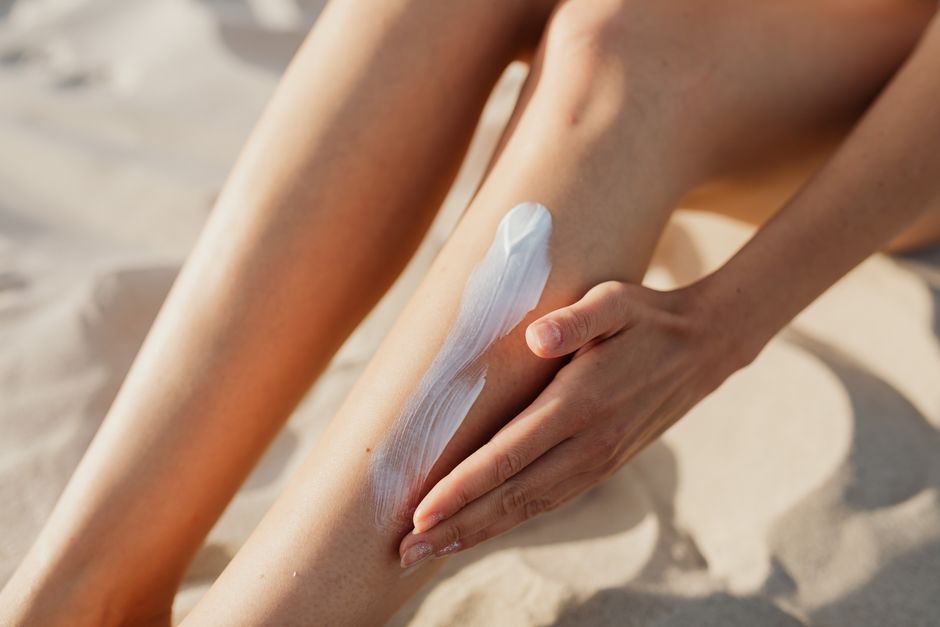
Varicose veins are common, especially as we age. They happen when the one-way valves inside your leg veins stop working properly, letting blood pool instead of flowing back up to your heart. You cannot change your genetics or your age, but daily habits have a real influence on how your veins function. The most effective habits are regular movement, leg elevation, and avoiding long periods of standing or sitting without a break.
What Actually Causes Varicose Veins?
Your leg veins work against gravity. They have tiny one-way valves that open to let blood move upward and snap shut to stop it from falling backward. When those valves weaken, blood collects in the vein. The vein stretches and becomes the twisted, bulging rope you see on the surface.
Pressure inside the vein is the key factor. Standing for hours, sitting for hours, carrying excess weight, and pregnancy all increase that pressure. Over time, the valves simply wear out. The condition is also strongly hereditary. If your mother or father had varicose veins, your risk is significantly higher.
Age matters too. Veins lose elasticity as you get older, which makes the valves less efficient. Women develop varicose veins more often than men, partly because of hormonal changes during pregnancy and menopause that relax vein walls.
How To Prevent Varicose Veins Habits That Help
Prevention is not about a single miracle habit. It is about reducing the pressure on your leg veins throughout the day. The habits that help most all share one goal: keep blood moving.
Move every hour. Your calf muscles act as a secondary pump. When they contract, they squeeze the deep veins in your legs and push blood upward. Walking, cycling, and swimming all activate this pump effectively. The key is consistency. A brisk 30-minute walk daily is more protective than a long hike once a week.
Change position frequently. If you work at a desk, stand up and walk for two minutes every hour. If you stand for a living, shift your weight, walk in place, or do calf raises every 20 minutes. The goal is to prevent blood from sitting still in your lower legs.
Elevate your legs daily. Lying down with your legs raised above heart level lets gravity work in your favor. This is not just relaxing — it actively drains pooled blood from your lower legs. Ten to fifteen minutes in the evening with your legs up on a stack of pillows makes a measurable difference.
Does Exercise Prevent Varicose Veins?
Exercise is one of the most effective preventive measures, but not all exercise is equal. Activities that involve repetitive calf muscle contraction are the best. Walking, running, cycling, and swimming all qualify. These exercises promote venous return without putting excessive pressure on the vein walls.
Some exercises are less helpful. Heavy weightlifting — especially squats and deadlifts with maximal loads — involves breath-holding and straining. That straining increases pressure in your chest and abdomen, which transmits down into your leg veins. This does not mean you should avoid strength training. It means you should breathe steadily, use moderate weights, and avoid holding your breath during exertion.
High-impact activities are not harmful to veins themselves. Running and jumping do not damage vein valves. The concern is only if you already have varicose veins and experience discomfort. In that case, low-impact options like swimming or cycling may be more comfortable.



The Role of Weight and Diet in Vein Health
Excess body weight directly increases pressure on leg veins. Every extra pound adds load to the circulatory system, and the abdomen in particular compresses the veins that return blood from the legs. Losing weight if you are overweight is one of the most impactful prevention strategies available.
Diet plays an indirect but real role. A diet high in fiber prevents constipation, which matters because straining on the toilet increases abdominal pressure and pushes against leg veins. A diet low in sodium helps reduce fluid retention, which can make vein discomfort worse. Neither of these directly repairs valves, but both reduce the pressure load on your veins.
Some research suggests that foods rich in flavonoids — like citrus fruits, berries, and dark leafy greens — may support vein wall integrity. The evidence here is modest. Eating a balanced diet is good for your overall circulation, but no specific food has been proven to prevent varicose veins.
Compression Stockings: Do They Prevent or Just Treat?
Compression stockings are the most studied non-surgical intervention for varicose veins. They work by applying graduated pressure — tightest at the ankle, looser at the knee or thigh. This external support helps the calf muscle pump push blood upward and prevents blood from pooling.
For people who already have varicose veins, compression stockings are clearly effective at reducing pain, swelling, and the heavy feeling in the legs. Whether they prevent new varicose veins from forming is less certain. Some evidence suggests they slow progression in people at high risk, such as pregnant women or those with a strong family history.
If you are considering compression stockings for prevention, talk to a healthcare provider first. Fit matters enormously. A stocking that is too loose does nothing. One that is too tight can cause discomfort or skin damage. Medical-grade stockings are fitted by measurement, not by guessing your size.
Daily Habits That Worsen Vein Problems
Some habits actively work against your veins. Long periods of standing are the most common culprit. Nurses, retail workers, and teachers have higher rates of varicose veins, not by coincidence but because their jobs keep them upright for hours. If you stand for work, take seated breaks with your legs elevated whenever possible.
Long periods of sitting are nearly as problematic. When you sit, the bend at your hip and knee compresses veins and slows blood flow. Prolonged sitting — especially on long flights or road trips — increases the risk of blood clots in the legs. This is a more serious condition than varicose veins, but the preventive habits overlap: stand, walk, and flex your ankles regularly.
Wearing high heels is a minor contributing factor. Heels reduce the natural range of motion in your calf muscles, which weakens the muscle pump. This is not a major cause of varicose veins, but lower heels or flats allow your calf muscles to work more effectively.
Tight clothing around the waist or groin can restrict venous return. Avoid belts and waistbands that dig in deeply. This is a small factor, but easy to correct.
What About Leg Elevation and Massage?
Leg elevation is one of the most underused preventive tools. When your legs are raised above the level of your heart, gravity stops fighting your veins and starts helping them. Blood that has pooled in your lower legs drains back toward your chest. Even fifteen minutes a day makes a noticeable difference in how your legs feel.
Massage is more complicated. Gentle massage can feel pleasant and may temporarily reduce swelling. But deep, forceful massage over varicose veins is not recommended. There is a theoretical risk of dislodging a blood clot if one is present, and some clinicians advise against massaging directly over varicose veins. If you want massage for leg comfort, use light pressure and avoid pressing directly on the bulging veins.
When Prevention Is Not Enough
Habits reduce risk, but they cannot guarantee prevention. If you have a strong genetic predisposition, varicose veins may develop regardless of how well you care for your legs. This is not a failure on your part — it is biology.
If varicose veins do develop, modern treatments are effective. Endovenous ablation uses heat or laser to close the affected vein. Sclerotherapy injects a solution that makes the vein collapse and fade. These are outpatient procedures with short recovery times. They treat existing veins but do not prevent new ones from forming, which is another reason the habits in this article remain relevant.
See a healthcare provider if you have leg pain, swelling, skin discoloration, or a wound that is not healing. These can be signs of a more serious condition, such as chronic venous insufficiency or a blood clot, and deserve proper evaluation.
Frequently Asked Questions
Can walking every day prevent varicose veins?
Yes, regular walking activates the calf muscle pump that pushes blood upward, reducing pressure in leg veins. It is one of the most effective daily habits for vein health.
Do compression stockings stop varicose veins from forming?
Compression stockings are proven to relieve symptoms and may slow progression in high-risk people, but they cannot guarantee prevention. They are most effective when combined with movement and leg elevation.
Is it too late to prevent varicose veins at age 40?
No, it is not too late. While vein damage that has already occurred cannot be reversed, daily habits like movement and elevation can slow further progression and reduce discomfort.
Does crossing your legs cause varicose veins?
No, crossing your legs does not cause varicose veins. The pressure from crossing is too brief and too mild to damage vein valves. Prolonged sitting without movement is a greater concern.
