
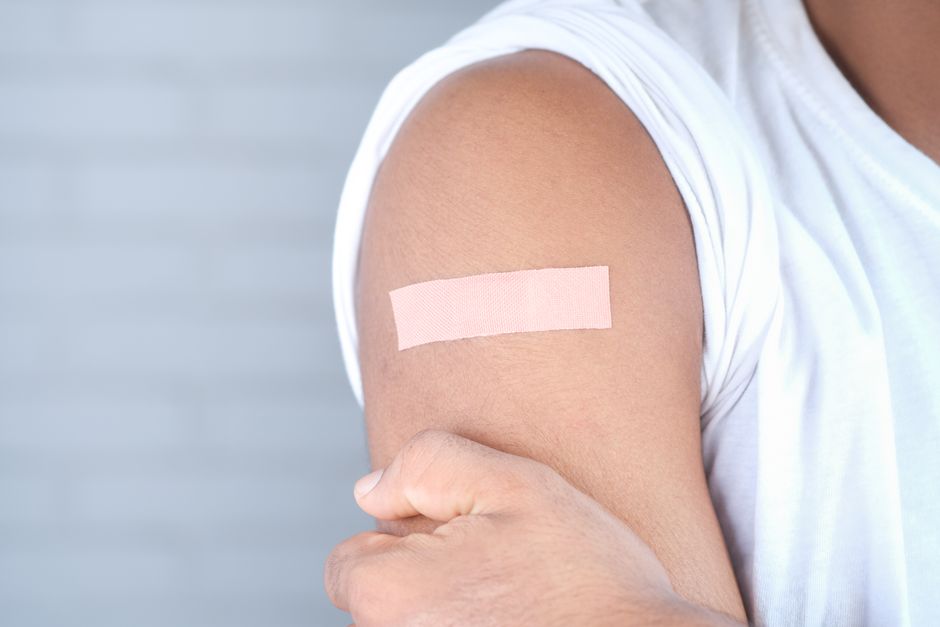
Pneumonia is a lung infection that sends over one million Americans to the hospital each year. The best way to prevent it is a combination of vaccines, everyday habits, and knowing when to see a doctor. Vaccines give your immune system a head start. Good habits like handwashing and quitting smoking reduce your exposure to germs. Together, these steps cut your risk significantly.
How Do Vaccines Help Prevent Pneumonia?
Vaccines are the single most effective tool against pneumonia. They do not prevent every case. But they dramatically lower your chances of getting seriously ill. The CDC recommends two main types of pneumonia vaccines for adults.
The pneumococcal vaccine targets the bacteria Streptococcus pneumoniae. This is the most common cause of bacterial pneumonia. There are two versions: PCV15, PCV20, and PPSV23. Your doctor decides which one you need based on your age and health. Most adults over 65 should get one of these.
The flu vaccine matters too. Influenza is a common trigger for pneumonia. When your body fights the flu, your lungs are weaker and more open to bacterial infection. The CDC reports that flu vaccination reduces the risk of flu-related pneumonia. The COVID-19 vaccine also helps. COVID-19 can cause severe pneumonia. Staying current on these vaccines is a straightforward way to protect your lungs.
What Everyday Habits Lower Your Pneumonia Risk?
Vaccines are powerful. But they are not a force field. Your daily habits decide how often germs reach your lungs in the first place. Handwashing is the most basic and proven habit. Soap and water for 20 seconds removes viruses and bacteria you pick up from surfaces. Alcohol-based hand sanitizer works when soap is not available.
Do not touch your face. Your hands carry germs from doorknobs, phones, and handrails. When you touch your eyes, nose, or mouth, you give those germs a direct path to your respiratory system. This is harder than it sounds. Most people touch their face 15 to 20 times per hour. Being aware of it helps you stop.
Keep your immune system strong with sleep and nutrition. Adults need 7 to 9 hours of sleep per night. Your body repairs itself and produces infection-fighting cells during deep sleep. A diet rich in fruits, vegetables, and lean protein provides vitamins like C and D that support immune function. The evidence for supplements is weaker than for whole foods.
How To Prevent Pneumonia Vaccines Habits More: What the Research Shows
Research published in the New England Journal of Medicine has shown that pneumococcal vaccination reduces the risk of invasive pneumococcal disease by about 75% in older adults. That is a large effect. But the same studies show that vaccines alone do not eliminate risk. People who combine vaccination with healthy habits have lower rates of pneumonia than those who only vaccinate.
A 2023 study in JAMA Internal Medicine looked at over 100,000 adults aged 65 and older. Those who received both the pneumococcal and flu vaccines had a 40% lower risk of hospitalization for pneumonia compared to those who received neither. The benefit was even larger in people who also did not smoke and had a healthy body weight.
Smoking is the single biggest lifestyle risk factor. Smoking damages the tiny hairs in your airways called cilia. These hairs sweep germs out of your lungs. Without them, bacteria and viruses settle in and multiply. The CDC states that smokers are up to four times more likely to get pneumococcal pneumonia. Quitting smoking reduces that risk quickly. Within a year of quitting, your lungs begin to repair themselves.



What About Alcohol, Exercise, and Oral Health?
Heavy alcohol use weakens your immune system. It also impairs your gag reflex. This makes it easier for germs from your mouth or stomach to enter your lungs. This is called aspiration pneumonia. The National Institute on Alcohol Abuse and Alcoholism reports that people who drink heavily have a higher risk of pneumonia and worse outcomes if they get it. Moderation matters. For most adults, that means no more than one drink per day for women and two for men.
Regular exercise helps your lungs work better. It does not prevent pneumonia directly. But it improves your circulation and immune response. A study in the American Journal of Medicine found that people who exercised at least five times per week had 30% fewer respiratory infections. That includes pneumonia. You do not need to run marathons. Brisk walking for 30 minutes most days is enough.
Oral health is an underrated factor. Your mouth is full of bacteria. If your gums bleed or you have cavities, those bacteria can enter your bloodstream and travel to your lungs. The American Dental Association notes that people with gum disease have a higher risk of pneumonia. Brushing twice a day, flossing, and regular dental checkups are simple steps that protect your lungs.
Who Needs to Be Extra Careful?
Some people are at higher risk and need to be more aggressive about prevention. Adults over 65 have weaker immune systems. The CDC recommends that all adults in this age group get both the pneumococcal vaccine and an annual flu shot. Children under 2 also have immature immune systems and are at higher risk.
People with chronic conditions need extra vigilance. This includes asthma, COPD, diabetes, heart disease, and kidney disease. These conditions make it harder for your body to clear infections from your lungs. If you have one of these conditions, talk to your doctor about whether you need an additional vaccine dose or a different schedule.
People with weakened immune systems from medications or illnesses like HIV or cancer are also at high risk. They may not respond as strongly to vaccines. But vaccination still provides some protection. Their doctors may recommend additional vaccines like the RSV vaccine, which can also cause pneumonia in vulnerable adults.
| Risk Group | Recommended Vaccine | Key Habit |
|---|---|---|
| Adults 65+ | PCV20 or PCV15 + PPSV23 | Get annual flu shot |
| Adults with chronic conditions | PCV20 or PCV15 + PPSV23 | Manage blood sugar or blood pressure |
| Smokers (any age) | PPSV23 before age 65 | Quit smoking |
| Immunocompromised | PCV20 or PCV15 + PPSV23 | Avoid crowded indoor spaces during respiratory season |
Common Misconceptions About Pneumonia Prevention
Some people believe that pneumonia is a single disease you can prevent with one shot. It is not. Many different germs cause pneumonia. Vaccines cover the most common ones. They do not cover everything. That is why habits matter.
Another myth is that pneumonia only happens in winter. It is true that rates peak in cold months. But pneumonia can happen year-round. Staying vigilant with handwashing and avoiding sick people matters in every season.
Some people think if they are healthy, they do not need vaccines. That is not accurate. Healthy adults can still get pneumonia. And even mild cases can lead to complications like lung abscesses or sepsis. Vaccines are recommended for nearly all adults over 50 or with certain conditions, regardless of how healthy you feel.
A final misconception is that you can prevent pneumonia by taking zinc or vitamin C supplements. Some studies suggest these may slightly shorten the duration of a cold. There is no clinical evidence that they prevent pneumonia. The best approach remains vaccines and healthy habits, not supplements.
What to Avoid When Trying to Prevent Pneumonia
Avoid relying on unproven remedies. There is no evidence that essential oils, herbal teas, or colloidal silver prevent pneumonia. Some of these products can be harmful. Colloidal silver can cause a permanent blue-gray skin condition called argyria.
Avoid ignoring symptoms. Early treatment of respiratory infections lowers the risk of pneumonia. If you have a cough, fever, and trouble breathing that lasts more than a few days, see a doctor. Antibiotics work for bacterial pneumonia. Antiviral drugs can help for viral pneumonia. Waiting too long makes treatment less effective.
Avoid sharing personal items like toothbrushes, cups, or utensils during cold and flu season. Germs spread easily through saliva. This is especially important in households with young children or older adults.
Avoid poor indoor air quality. Smoke from wood stoves, candles, or cigarettes can irritate your lungs and make them more vulnerable. Using an air purifier with a HEPA filter in your bedroom can reduce airborne particles. This is not a substitute for vaccines. But it is a reasonable extra step for people with asthma or allergies.
Frequently Asked Questions
How often should I get the pneumonia vaccine?
Most adults need one dose of PCV20 or PCV15. Some people need a second dose of PPSV23 five years later. Your doctor will tell you based on your age and health.
Can you get pneumonia even if you are vaccinated?
Yes. Vaccines reduce your risk but do not eliminate it. They make the infection less severe if you do get sick.
Is pneumonia contagious?
The bacteria and viruses that cause pneumonia can spread from person to person. Pneumonia itself is not contagious, but the germs that cause it are.
What is the difference between bacterial and viral pneumonia?
Bacterial pneumonia is treated with antibiotics. Viral pneumonia is not. Both can be serious. Vaccines exist for the most common causes of both types.
