
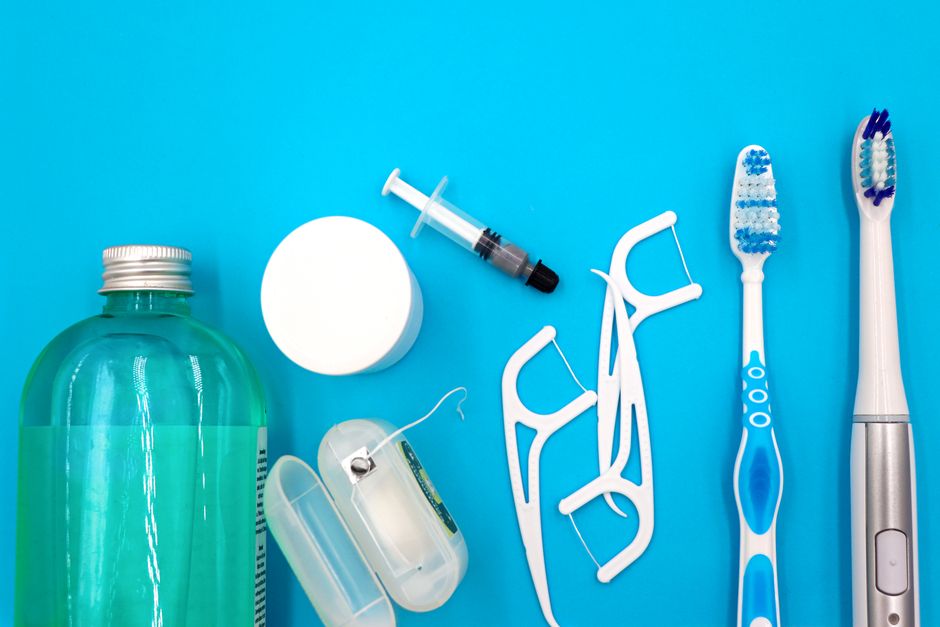
Plaque is that sticky, colorless film that forms on your teeth throughout the day. It is a bacterial biofilm, and if you do not remove it regularly, it hardens into tartar, which only a dentist can remove. The key facts for preventing plaque buildup are simple: disrupt the biofilm daily with mechanical cleaning (brushing and flossing) and limit the sugar that feeds the bacteria. That is the foundation. Everything else is an addition to that core routine, not a replacement for it.
What Exactly Is Plaque and Why Does It Build Up?
Plaque forms when bacteria in your mouth mix with sugars and starches from food. These bacteria produce acids that attack tooth enamel. If you brush and floss properly, you remove this film before it causes damage. But if you miss spots, the plaque stays and hardens within 24 to 72 hours into calculus, or tartar.
Once tartar forms, you cannot brush it off at home. Only a dental professional can scale it away. That is why preventing plaque from ever reaching that stage is the goal. The American Dental Association (ADA) states that plaque is the primary cause of both cavities and gum disease. Your prevention strategy is about daily disruption of this bacterial community.
How To Prevent Plaque Buildup On Your Teeth With Brushing Technique
Brushing is your first line of defense, but technique matters more than pressure. Many people scrub hard and fast, thinking that removes more plaque. Research shows that aggressive brushing damages gums and enamel without removing plaque more effectively. Use a soft-bristled toothbrush. The ADA recommends brushing for two full minutes, twice a day.
Focus on the gumline. That is where plaque hides. Hold the brush at a 45-degree angle to your gums and use short, gentle strokes. Brush the outer surfaces of all teeth, then the inner surfaces, then the chewing surfaces. Do not forget the back of your last molars. A study published in the Journal of Clinical Periodontology found that electric toothbrushes with oscillating-rotating heads reduce plaque and gingivitis more effectively than manual brushes in the short term. If you use a manual brush, the technique is still what makes the difference.
Replace your toothbrush or brush head every three to four months, or sooner if the bristles are frayed. Worn bristles do not clean effectively.
Why Flossing Is Not Optional for Plaque Control
Flossing reaches the 40% of tooth surfaces that a toothbrush cannot clean. These are the spaces between teeth. Plaque builds up there just as it does on the visible surfaces. If you only brush, you leave a significant amount of plaque in place.
Some studies question whether flossing adds significant benefit beyond brushing alone for cavity prevention. However, the evidence is clearer for gum health. The ADA and the U.S. Department of Health and Human Services still recommend daily flossing because it mechanically disrupts plaque between teeth where gingivitis starts. You do not need to floss aggressively. A gentle sawing motion that curves the floss around each tooth in a C-shape is effective. If you find string floss difficult, interdental brushes or water flossers are reasonable alternatives. The key is that something cleans between your teeth every day.




Does Diet Really Affect Plaque Buildup?
Yes, directly. Plaque bacteria feed on fermentable carbohydrates, especially sugar. When you eat sugar, the bacteria metabolize it and produce acid. That acid demineralizes enamel and allows plaque to thrive. The frequency of sugar exposure matters more than the total amount. Sipping a sugary drink over an hour is worse for plaque than eating a candy bar in five minutes because your mouth stays acidic longer.
The table below shows how different foods and habits affect plaque formation:
| Food or Habit | Effect on Plaque | Key Consideration |
|---|---|---|
| Sugary drinks (soda, juice, sports drinks) | High | Frequency of sipping drives acid production |
| Sticky candies (caramel, gummies) | High | Adhere to teeth, prolonging sugar exposure |
| Starchy snacks (chips, crackers) | Moderate | Break down into sugars in the mouth |
| Crunchy vegetables (carrots, celery) | Low | Stimulate saliva flow, which neutralizes acid |
| Cheese and dairy | Low | Contain calcium and casein that protect enamel |
| Water (especially fluoridated) | None | Rinses food particles and dilutes acid |
Eating a diet low in added sugars and high in whole foods gives plaque bacteria less fuel. Drinking water after meals helps wash away food particles. Chewing sugar-free gum with xylitol can also stimulate saliva, which is your mouth’s natural buffer against acid.
What About Mouthwash and Other Products?
Mouthwash can help, but it is not a substitute for brushing and flossing. Therapeutic mouthwashes containing fluoride or antimicrobial agents like chlorhexidine can reduce plaque and gingivitis. However, chlorhexidine is typically for short-term use only because it can stain teeth and alter taste. Over-the-counter fluoride mouthwash is safe for daily use and helps remineralize enamel.
Some people claim that oil pulling with coconut oil removes plaque. This is widely claimed, though strong evidence is limited. Small studies suggest oil pulling may reduce plaque and gingivitis slightly, but it does not remove plaque as effectively as brushing. The ADA does not endorse oil pulling as a replacement for standard oral hygiene. If you want to try it, consider it an addition to your routine, not the main event.
There are also plaque-disclosing tablets available over the counter. You chew them after brushing, and they stain any remaining plaque a bright color. This gives you immediate feedback on where you are missing. Dental hygienists have used these for decades. They are a useful tool for improving your technique, especially for children or anyone who wants to confirm they are brushing thoroughly.
Common Misconceptions About Plaque Prevention
One persistent myth is that baking soda or charcoal toothpaste can scrub away plaque more effectively. Baking soda is mildly abrasive and can help remove surface stains, but it does not prevent plaque formation. Charcoal toothpaste is popular on social media, but the ADA warns that some charcoal products are too abrasive and can wear down enamel over time. There is no clinical evidence that charcoal prevents plaque better than standard fluoride toothpaste.
Another misconception is that you only need to brush once a day if you use a strong mouthwash. Mouthwash cannot mechanically disrupt the biofilm. Plaque is sticky and requires physical scrubbing to remove. Skipping a brushing session allows plaque to mature and harden.
Some people also believe that bleeding gums mean you should stop flossing. The opposite is true. Bleeding gums are a sign of inflammation caused by plaque. Flossing consistently for a week or two usually reduces the bleeding as the gums heal. If bleeding persists, see a dentist.
Frequently Asked Questions
How often should I brush to prevent plaque?
Brush twice a day for two minutes each time. This is the standard recommendation from the ADA.
Does electric toothbrush remove more plaque than manual?
Studies show oscillating-rotating electric toothbrushes reduce plaque and gingivitis more effectively than manual brushes in the short term. Technique still matters with both.
Can plaque cause bad breath?
Yes. The bacteria in plaque produce sulfur compounds that cause bad breath. Removing plaque reduces this odor.
Is it too late if plaque has already turned to tartar?
Tartar cannot be removed at home. A dental professional must scale it off. After cleaning, your daily routine prevents new plaque from hardening.
