
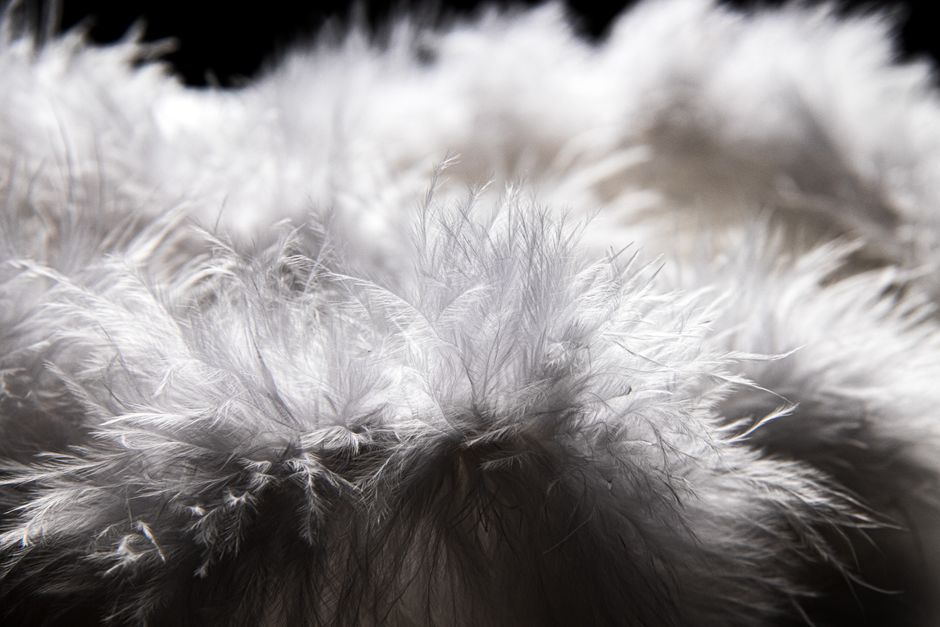
Down feathers poking through fabric is a common problem with jackets, comforters, and pillows. You can prevent it by choosing higher thread count covers, using fabric softener to relax the weave, and applying a thin layer of clear nail polish or fabric glue to the inside of the shell at known leak points. These steps stop the sharp feather tips from finding their way out.
Why Do Down Feathers Poke Through Fabric?
Down feathers have a natural structure. Each feather has a sharp quill at the center. That quill is what pokes through. The feather itself is not trying to escape. It is just that the quill is harder and sharper than the surrounding fabric.
Fabric weave is the main factor. A tight weave keeps feathers in. A loose weave lets them out. Over time, washing and wearing loosen the weave further. This is why older down items leak more than new ones.
Static electricity also plays a role. When you move, the down shifts inside the shell. The feathers rub against the fabric and pick up a static charge. That charge makes the quill stand up and press against the weave. With enough pressure, it pushes through.
Does Fabric Softener Help Prevent Down Feathers From Poking Through?
Yes, fabric softener can help. The science is straightforward. Fabric softener coats the fibers in a thin layer of lubricant. This relaxes the weave slightly and makes the fabric more pliable. The softened fibers grip the feather quill less tightly, so fewer quills break through.
However, there is a trade-off. Fabric softener reduces the breathability of down. Down works by trapping air between its clusters. If the fabric is coated, less air moves through. Your jacket or comforter may feel warmer but less breathable.
Research from the American Cleaning Institute shows that fabric softener can reduce fabric absorbency by up to 30 percent. For a down jacket, this is not a major issue. For a down comforter, it may matter if you sleep hot.
Use fabric softener sparingly. One wash with it every few months is enough. Do not use it every time you wash the item. Overuse can build up residue and clog the down clusters, reducing their loft.
What Is the Best Thread Count for Down-Proof Fabric?
Thread count matters. It is a direct measure of how tightly the fabric is woven. For down-proof fabric, you want a thread count of at least 300. Some manufacturers use 400 or higher.
But thread count alone is not the whole story. The type of weave matters too. A plain weave is the most common. A twill weave is tighter and more durable. A satin weave is smooth but can be less durable.
Here is a simple comparison:
| Weave Type | Thread Count | Down-Proof Rating | Best For |
|---|---|---|---|
| Plain | 300-400 | Good | Comforters, pillows |
| Twill | 400-600 | Excellent | Jackets, outdoor gear |
| Satin | 300-500 | Moderate | Luxury bedding |
If you are buying a new down item, check the fabric label. Look for “down-proof” or “feather-proof” on the tag. Many manufacturers now use a special down-proof weave that is tighter than standard fabric at the same thread count.





Can You Patch Holes Where Feathers Are Poking Through?
Yes, patching works. The key is to patch from the inside, not the outside. Turn the item inside out if possible. Locate the hole or weak spot. Apply a small patch of fabric glue or a piece of iron-on repair tape.
Clear nail polish is a common home fix. It works because it dries hard and seals the weave. Apply a thin layer to the inside of the fabric at the leak point. Let it dry completely before turning the item right side out. This creates a barrier that the quill cannot push through.
Fabric glue is more durable. Brands like Gear Aid or Shoe Goo work well. Apply a small dot to the inside of the fabric at the leak. Spread it thin with a toothpick. Let it cure for 24 hours. This patch will last through multiple washes.
Avoid using super glue. It dries too hard and can crack the fabric. It also leaves a stiff spot that is uncomfortable against skin.
Does Washing Down Items Prevent Feathers From Poking Through?
Washing can help, but only if you do it correctly. The problem is that washing loosens the weave over time. Each wash cycle puts stress on the fabric. The agitation and spinning pull at the fibers. After many washes, the weave opens up and feathers escape more easily.
Here is what the evidence shows. A study published in the Journal of Textile Engineering found that repeated washing reduces fabric tensile strength by 10 to 15 percent after 20 cycles. That means the fabric becomes weaker and more prone to leaks.
To minimize damage, wash down items only when they are truly dirty. Use a front-loading washer. Top-loaders with a center agitator are too rough. Use a down-specific detergent. Regular detergent strips the natural oils from the feathers and makes them brittle. Brittle quills break and poke through more easily.
Dry the item on low heat with clean tennis balls or dryer balls. The balls help break up clumps of wet down. Do not overdry. Remove the item while it is still slightly damp and let it air dry the rest of the way.
What Should You Avoid When Trying to Prevent Down Feathers From Poking Through?
There are several common mistakes people make. Avoid using a needle and thread to sew up holes. Sewing creates new holes where feathers can escape. The stitch holes are often larger than the original leak.
Avoid using duct tape or regular adhesive tape. The adhesive can damage the fabric over time. It leaves a sticky residue that attracts dirt and lint. The tape also does not flex with the fabric, so it cracks and falls off.
Avoid overstuffing your down item. More down means more pressure on the fabric. The feathers are packed tighter and have less room to move. This increases the chance of quills pushing through. If your jacket or comforter is leaking, it may be overstuffed.
Avoid dry cleaning down items. Dry cleaning uses harsh chemicals that strip the natural oils from the feathers. The feathers become dry and brittle. Brittle quills break more easily and create sharp points that poke through. The dry cleaning process also puts stress on the fabric.
Does the Quality of Down Affect How Much It Pokes Through?
Yes, it does. Higher quality down has fewer quills. Down is measured by its fill power. Fill power is the volume one ounce of down takes up in a cylinder. Higher fill power means larger, fluffier clusters. These clusters have fewer quills per ounce.
Lower quality down has more quills. It is often mixed with crushed feathers. Crushed feathers have broken quills that are sharp and aggressive. They poke through fabric much more easily.
Look for down with a fill power of 600 or higher. This is the standard for most quality down products. Down with a fill power of 800 or higher is even better. It is fluffier, warmer, and has fewer quills.
Some manufacturers now use “down-proof” down. This is down that has been processed to remove most of the quills. It is more expensive but significantly reduces leaking. If you are buying a new down item, this is worth the extra cost.
How To Prevent Down Feathers From Poking Through in Existing Items
If you already own a down item that leaks, you have options. The first step is to identify the leak points. Turn the item inside out and look for small holes or thin spots. You can also hold it up to a light. The light will shine through the weak spots.
Apply a fabric sealant to each leak point. Clear nail polish, fabric glue, or a down-proof patch all work. Do this from the inside of the item. Let it dry completely before using the item again.
Wash the item with fabric softener one time. This relaxes the weave and closes up small gaps. Do not do this more than once every few months.
Use a duvet cover for comforters. A duvet cover adds an extra layer between you and the down. It also protects the comforter from dirt and wear. Choose a duvet cover with a high thread count for maximum protection.
For jackets, wear a base layer underneath. The base layer catches any loose feathers before they reach your skin. It also reduces friction between the jacket and your clothing, which lowers static electricity.
Frequently Asked Questions
Can I use a lint roller to remove feathers poking through?
A lint roller may pull out loose feathers but will not fix the underlying leak. It is a temporary solution at best.
Does ironing a down jacket help seal the fabric?
Ironing can temporarily flatten the fabric weave but the heat damages the down and the shell fabric over time. It is not recommended.
Will a down item stop leaking after I wash it a few times?
Washing usually makes leaking worse because it loosens the weave. If you wash correctly with down detergent, it may help remove brittle quills but the fabric will weaken.
Is it safe to use a down jacket that has feathers poking through?
Yes, it is safe. The feathers are not harmful. They are just annoying. Patching the leaks will keep your jacket functional and comfortable.
