
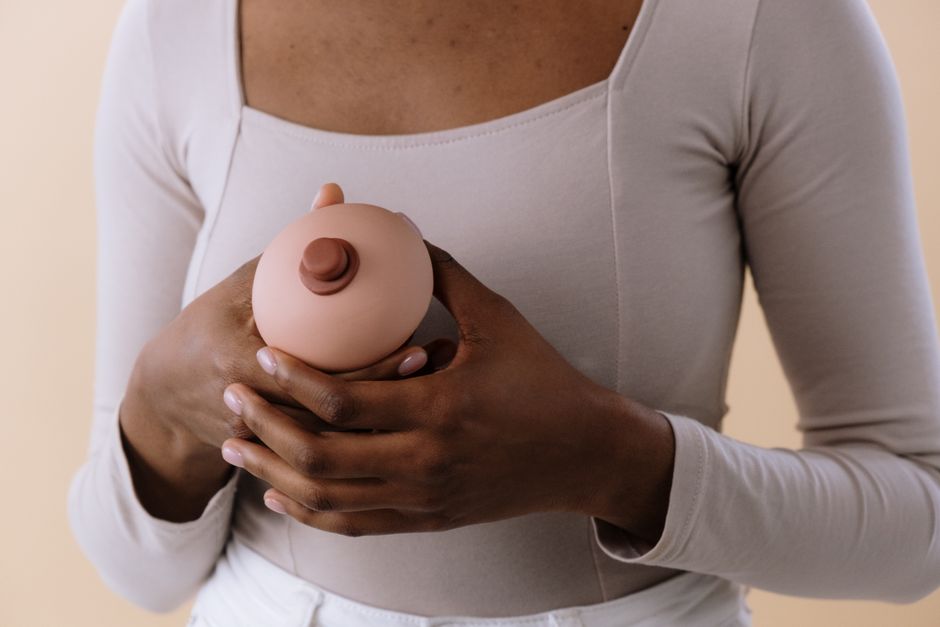
Nipple chafing is one of the most common and painful issues runners face. It happens when friction from your shirt rubs against your nipples repeatedly during a run. The result is raw, sore, and sometimes bleeding skin that can make your next shower a miserable experience. The solution is straightforward: reduce friction and keep the area dry. You can do this with the right clothing, protective barriers, or adhesive bandages before you head out the door.
Why Does Nipple Chafing Happen When Running?
Chafing is a mechanical injury. Every step you take creates movement between your skin and your clothing. Over time, that back-and-forth rubbing strips away the top layer of skin. Sweat makes this worse by increasing friction and leaving salt crystals behind that irritate the skin further.
Nipples are especially vulnerable because they are raised and sensitive. They catch on fabric more easily than flat skin surfaces. Men typically experience this more than women because women usually wear sports bras that hold fabric in place. Men often wear loose shirts that move freely across the chest with every stride.
The damage can range from mild redness to open sores. In severe cases, blood can seep through the fabric, which is why some runners jokingly call it “bloody nipples.” It is painful, but it is not dangerous on its own. The main concern is discomfort and the risk of infection if the skin breaks open.
What Is The Best Way To Prevent Nipple Chafing When Running?
The most reliable method is to cover the nipples with a smooth, adhesive barrier before you run. The most common options are adhesive bandages, medical tape, or specifically designed nipple covers for athletes. These products create a smooth surface that glides against your shirt instead of catching.
Body glide and anti-chafe balms also work well. These are wax-based or silicone-based products that reduce friction on the skin. You apply them directly to the nipple area before dressing. They are effective for shorter runs, but they can wear off during very long runs or in heavy rain, especially if you sweat a lot.
For most runners, the combination of a snug-fitting shirt and a protective barrier is the most dependable approach. A tight technical shirt moves less than a loose cotton one. When the fabric does not move, friction drops significantly.
Which Products Actually Work For Nipple Chafing?
Adhesive bandages are the most widely used solution among distance runners. The classic round Band-Aid works, but the adhesive can weaken as you sweat. Waterproof bandages and kinesiology tape tend to stay in place longer.
Specialized products exist specifically for this problem. Some running brands sell small circular adhesive patches designed for nipples. These are simple, effective, and comfortable. They are essentially a high-quality bandage without the gauze pad in the center.
Anti-chafe balms are another option. Products like BodyGlide or petroleum jelly reduce friction. However, petroleum jelly can stain your clothes and may not last as long as a balm designed for athletes. Balms are a good choice if you prefer not to stick anything to your skin.
Here is a quick comparison of the main options:
| Method | How It Works | Best For |
|---|---|---|
| Adhesive bandages or tape | Physical barrier between skin and fabric | Long runs, wet conditions, reliable protection |
| Anti-chafe balm | Lubricates skin to reduce friction | Shorter runs, mild chafing risk, no sticky residue |
| Compression shirt | Keeps fabric from moving against skin | Runners who prefer not to use products |
| Nipple covers (athletic) | Specialized adhesive patch | Serious runners and marathoners |
No single product is right for everyone. Some runners have sensitive skin that reacts to adhesive. Others find balms too messy. Test different options on short runs before you rely on one for a long race.



Does The Type Of Shirt Matter?
Yes. The shirt you wear has a major impact on chafing. Cotton is the worst choice for running. It absorbs sweat, becomes heavy, and develops a rough texture as it moves against your skin. Synthetic fabrics like polyester and nylon are designed to wick moisture away and stay smooth when wet.
Fit matters as much as fabric. A loose shirt flaps and rubs with every arm swing. A tight compression shirt stays in place and moves with your body. Many runners find that a snug athletic shirt alone prevents chafing without needing any additional product.
Seams can also be a problem. Shirts with thick seams across the chest can create friction points. Look for flat-seam construction or shirts with minimal stitching in the chest area. Some running shirts are specifically designed with a smooth front panel for this reason.
If you run in cold weather and wear multiple layers, the same rules apply to each layer. The layer closest to your skin matters most. Base layers made of merino wool or synthetic materials are better choices than cotton undershirts.
How Should You Care For Chafed Nipples After A Run?
If you already have chafed nipples, the first step is to clean the area gently. Use mild soap and water to remove any sweat or residue. Pat the area dry with a clean towel. Do not rub.
Apply a thin layer of petroleum jelly or a healing ointment to keep the skin moist. This helps the damaged skin recover and reduces pain from friction against clothing. Some runners find that lanolin cream, often used by nursing mothers, works well for healing chafed skin.
Let the area breathe. Wear loose, soft clothing for a day or two until the skin heals. Avoid running again until the skin is fully intact. Running on broken skin increases the risk of infection and makes the injury worse.
Watch for signs of infection. If the area becomes increasingly red, warm to the touch, or starts oozing fluid, see a doctor. Infections are rare but possible when the skin barrier is broken.
Are There Any Long-Term Risks From Nipple Chafing?
Nipple chafing itself is not dangerous. It is a superficial skin injury that heals within a few days. The skin may be slightly sensitive for a week or two after a severe chafing episode, but there are no lasting effects in most cases.
Repeated chafing does not increase your risk of any serious medical condition. There is no evidence linking nipple chafing to skin cancer or other diseases. The main risk is simply discomfort and the temporary inability to run comfortably.
Some runners develop hyperpigmentation, where the skin around the nipple becomes darker after repeated irritation. This is cosmetic and harmless. It typically fades over time once the irritation stops.
If you experience nipple pain that is not related to running or friction, that is a different issue. Pain, discharge, or skin changes that do not heal should be evaluated by a doctor. But chafing from running is a mechanical issue, not a medical one.
Does Body Hair Affect Nipple Chafing?
Chest hair can actually help prevent chafing in some cases. Hair creates a small layer of cushioning between the skin and fabric. However, the opposite can also be true. If your chest hair is coarse or curly, it can catch on fabric and increase irritation.
Shaving or trimming chest hair does not solve the problem. In fact, shaving can make chafing worse because the sharp stubble creates more friction against fabric. If you prefer a smooth chest for running, use adhesive products to protect the area.
The location of the chafing matters. If the irritation is on the nipple itself, hair is not a factor. If the chafing is on the skin around the nipple, hair may be contributing to the friction. In that case, a balm or lubricant may work better than adhesive products that need to stick to hairy skin.
What Should You Do If Chafing Happens During A Race?
If you feel the burning sensation of chafing starting during a run, you need to act quickly. Stopping early is better than finishing with raw skin. Apply a balm or lubricant if you carry one. Some runners carry a small tube of anti-chafe product in their pocket or hydration pack for this reason.
If you do not have any product with you, adjust your clothing. Loosen or tighten your shirt to change the friction point. Sometimes simply lifting your shirt or changing your arm swing can reduce the rubbing for a short time.
For a race, the best strategy is prevention. Do not try new products or new clothing on race day. Test everything during training runs. Marathoners and ultramarathon runners know this well. They apply bandages or balm before the race starts and trust their preparation.
If chafing becomes severe during a race, it is acceptable to stop and seek medical attention at an aid station. Race medical staff have seen this many times. They can clean the area and apply a protective dressing so you can continue or safely withdraw.
Frequently Asked Questions
Can I use regular tape instead of bandages for nipple chafing?
Yes, medical tape works, but use paper tape or kinesiology tape rather than duct tape or standard adhesive tape. These are gentler on skin and remove more easily without pulling.
Does nipple chafing happen to women who run?
Women experience it less often because sports bras hold fabric in place, but it can still occur. Wearing a properly fitted sports bra with smooth seams is the best prevention for women.
How long does it take for chafed nipples to heal?
Mild chafing heals in two to three days. Severe cases with broken skin can take up to a week. Wait until the skin is fully healed before running again.
Is petroleum jelly as good as anti-chafe balms?
Petroleum jelly works but wears off faster and stains clothing. Anti-chafe balms are designed to last longer during exercise and wash out of fabric more easily.
