
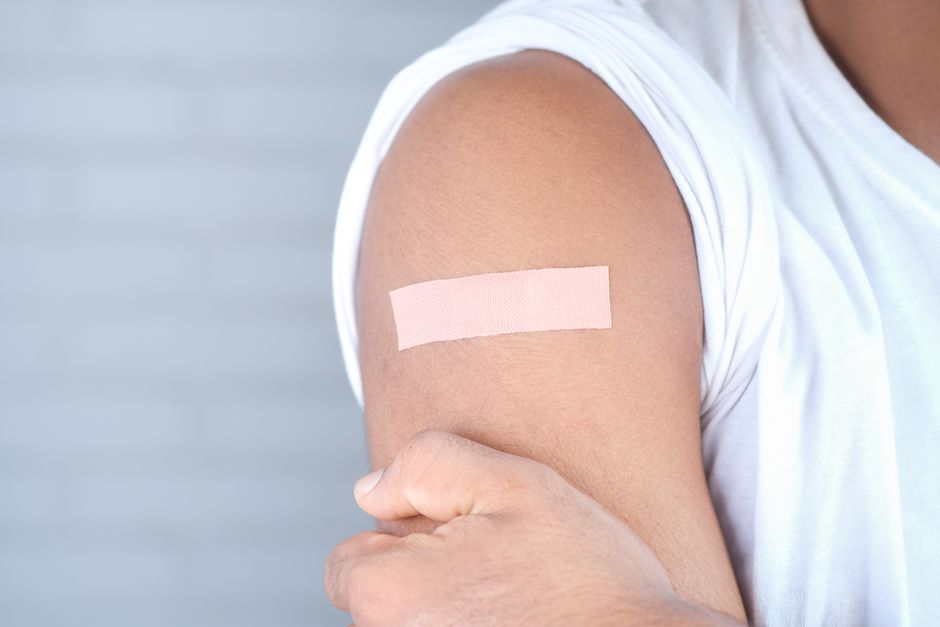
Respiratory syncytial virus, or RSV, is not just a childhood illness. It causes serious lung infections in adults too, especially those over 60 or with chronic health conditions. Preventing RSV in adults comes down to two main actions: getting the recommended vaccine and practicing consistent daily hygiene habits. The vaccine provides strong protection against severe disease, while everyday habits like handwashing and avoiding close contact with sick people reduce your exposure to the virus.
Who Is Most At Risk For Severe RSV?
RSV causes cold-like symptoms in most healthy adults. But for certain groups, the infection can move into the lungs and become pneumonia or bronchiolitis. This can lead to hospitalization.
Adults at the highest risk include those aged 60 and older. The immune system naturally weakens with age, making it harder to fight off the virus. Chronic medical conditions also raise the risk significantly. This includes heart disease, lung disease like COPD or asthma, diabetes, and weakened immune systems from illness or medication.
Living in a long-term care facility also increases risk. The virus spreads quickly in shared spaces. If you fall into any of these categories, prevention is not optional. It is a medical priority.
What Is The RSV Vaccine For Adults?
The RSV vaccine is a single shot that trains your immune system to recognize and fight the virus. It does not contain live virus, so it cannot give you RSV. It is designed to prevent the most dangerous outcomes: severe lung infection, hospitalization, and death.
Clinical trials have shown the vaccine is effective at reducing severe RSV illness in older adults. The level of protection varies by person and by season. No vaccine is 100% effective, but the reduction in severe disease is significant and well documented.
This vaccine is not the same as the flu shot or the COVID-19 vaccine. It targets a different virus entirely. You can receive it during the same visit as other routine vaccines, but it is a separate shot.
Who Should Get The RSV Vaccine?
Official guidance recommends the RSV vaccine for adults aged 60 and older. The decision is based on shared clinical judgment. This means you and your healthcare provider discuss your specific risk factors and decide together if the vaccine is right for you.
In practice, most people over 60 should get it. If you have chronic heart or lung disease, diabetes, or a weakened immune system, the benefit is even clearer. The vaccine is also recommended for adults aged 50 to 59 with certain chronic conditions, as some formulations are approved for this younger group.
There is no clinical guideline recommending the RSV vaccine for healthy adults under 50. The evidence for benefit in this group is limited because severe disease is uncommon. If you are under 50 and healthy, daily hygiene habits are your primary prevention strategy.



How Effective Is The RSV Vaccine?
Research consistently shows the RSV vaccine reduces the risk of severe lower respiratory tract disease in older adults. This includes conditions like pneumonia and bronchitis that require medical care.
Effectiveness in the first season after vaccination is strong. Protection appears to last for at least two seasons, though it may wane somewhat over time. The duration of full protection is still being studied, and booster recommendations may evolve as more data becomes available.
The vaccine also reduces the risk of death from RSV, though this is harder to measure in trials. What matters most is that vaccinated adults who do get RSV are less likely to end up in the hospital or the intensive care unit.
What Daily Habits Reduce RSV Spread?
RSV spreads through respiratory droplets. When an infected person coughs or sneezes, the virus lands on surfaces and hands. You can catch it by touching a contaminated surface and then touching your eyes, nose, or mouth.
Handwashing is the single most effective daily habit. Use soap and water for at least 20 seconds. If soap is not available, hand sanitizer with at least 60% alcohol works well. Wash your hands before eating, after using the bathroom, and after being in public spaces.
Avoid touching your face, especially your eyes, nose, and mouth. This breaks the chain of transmission. It sounds simple, but most people touch their face dozens of times per hour without realizing it.
Clean high-touch surfaces regularly. Door handles, light switches, phones, and remote controls harbor the virus. A standard household disinfectant or a bleach solution kills RSV on surfaces.
During RSV season, which typically runs from fall through spring, consider avoiding crowded indoor spaces. If you are at high risk, wearing a mask in crowded places adds a layer of protection. This is especially useful during peak respiratory virus season when flu, COVID-19, and RSV all circulate at the same time.
How Do You Protect Yourself From Sick Family Members?
Living with someone who has RSV requires extra care. The virus is highly contagious and can survive on surfaces for hours. If a household member is sick, you need a plan.
Keep distance when possible. The sick person should stay in a separate room and use a separate bathroom if available. This is not always practical, but even partial separation reduces viral load in shared air.
Encourage the sick person to cover coughs and sneezes with a tissue or their elbow. They should wash their hands frequently. You should do the same. Do not share cups, utensils, or towels.
Open windows to improve ventilation. RSV spreads more easily in stagnant indoor air. A simple box fan in a window or a portable air purifier with a HEPA filter can reduce the amount of virus in the air.
If you are the primary caregiver, wear a mask when in close contact. Wash your hands immediately after touching items the sick person has used. These habits do not guarantee protection, but they significantly reduce your viral exposure.
Can Lifestyle Habits Strengthen Your Immune System Against RSV?
No lifestyle habit can prevent RSV on its own. But a well-functioning immune system responds better to infection. This is about reducing severity, not preventing exposure.
Sleep is the most underrated immune support. Adults need seven to nine hours of quality sleep per night. Chronic sleep deprivation reduces the production of infection-fighting cells. If you are consistently sleep-deprived during RSV season, your immune response will be weaker.
Regular physical activity supports immune function. Moderate exercise, like brisk walking for 30 minutes most days, improves circulation of immune cells. Intense exhaustive exercise, however, temporarily suppresses immunity. The goal is consistent moderate activity, not occasional extreme workouts.
Nutrition matters, but no specific food or supplement prevents RSV. A balanced diet with adequate protein, fruits, vegetables, and hydration supports overall health. Vitamin D deficiency is associated with worse respiratory outcomes, but supplementation only helps if you are actually deficient. Ask your doctor to check your level before starting supplements.
When Should You See A Doctor For RSV Symptoms?
RSV starts like a common cold. Runny nose, cough, sore throat, and mild fever are typical. For most healthy adults, these symptoms resolve in one to two weeks without medical treatment.
Seek medical care if you have trouble breathing, chest pain, or confusion. A persistent high fever or a cough that produces colored mucus also warrants attention. If you have chronic lung disease and your inhaler is not controlling your symptoms, call your doctor.
For adults over 60, do not wait too long. RSV can progress from mild symptoms to severe pneumonia in a matter of days. If you feel significantly worse than a typical cold, or if you cannot perform normal daily activities, contact your healthcare provider.
There is no specific antiviral treatment for RSV in adults. Care is supportive: rest, fluids, and fever reducers. Oxygen and breathing support are used in severe cases. This makes prevention even more important.
Frequently Asked Questions
Can adults get the RSV vaccine?
Yes, the RSV vaccine is available for adults aged 60 and older, and for adults aged 50 to 59 with certain chronic conditions. Talk to your doctor to see if you qualify.
How long does the RSV vaccine protect you?
Protection is strongest in the first season and appears to last for at least two seasons. Research on long-term duration and booster doses is ongoing.
Does hand sanitizer kill RSV?
Yes, hand sanitizer with at least 60% alcohol kills RSV on your hands. Soap and water are equally effective and preferred when hands are visibly dirty.
Is RSV the same as a common cold?
No. RSV causes cold-like symptoms but is a different virus that can lead to severe lung infections in older adults and people with chronic conditions.
