
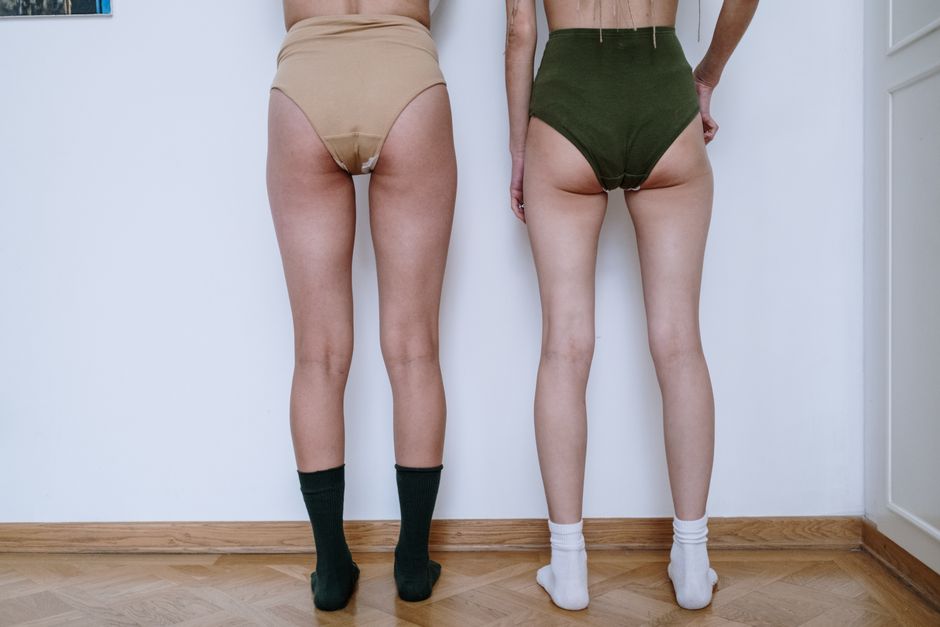
Eczema on the buttocks is uncomfortable, itchy, and often misunderstood. The good news is that it is manageable with a consistent skincare routine and by identifying your specific triggers. Treating the condition involves repairing the skin barrier with moisturizers, reducing inflammation with targeted creams, and avoiding irritants that cause flares. Prevention relies on daily habits like gentle cleansing, breathable clothing, and prompt treatment of new patches before they spread.
What Does Eczema On The Buttocks Look Like?
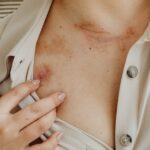
Eczema on the buttocks often looks different from eczema on other body parts. Because the area is frequently covered and can rub against clothing, the skin may appear thickened or leathery over time. In the early stages, you might notice red, dry, or scaly patches.
For people with darker skin tones, these patches can appear darker brown, purple, or ashen gray rather than red. The rash can be intensely itchy, and scratching can lead to open sores, oozing, or crusting. If the skin breaks, there is a risk of secondary bacterial infection, which requires different treatment.
It is important to note that not every rash on the buttocks is eczema. Fungal infections like tinea (jock itch), contact dermatitis from soaps or laundry detergent, and even psoriasis can look similar. If you are unsure what you are dealing with, a dermatologist can provide a proper diagnosis.
What Causes Eczema Flares In This Area?
The skin on the buttocks is subject to constant friction, pressure, and occlusion from clothing. These factors alone can trigger flares in people who are prone to eczema. Sweat trapped against the skin is another common culprit, especially during exercise or in hot weather.
Irritants play a major role. Harsh soaps, fragranced body washes, fabric softeners, and certain laundry detergents can strip the skin of its natural oils and break down the barrier. When the barrier is compromised, moisture escapes and irritants get in, which fuels the inflammatory cycle of eczema.
Allergens can also be involved. Ingredients in toilet paper, wet wipes, or even topical products applied to the area can cause an allergic reaction. Some research suggests that people with eczema have a genetic variation that affects the skin barrier protein filaggrin, making their skin more sensitive to these external triggers.
Stress and diet can influence flares in some people, but they are rarely the sole cause. The primary issue is always the skin barrier and the immune response beneath it. Identifying your personal triggers requires attention to when flares happen and what you were exposed to beforehand.
How To Treat Eczema On Buttocks And Prevent Flares
Treatment follows a stepwise approach. Start with the basics of skin care, then add medicated treatments if needed. The goal is to calm the active flare and then maintain the skin so it does not return.
Step 1: Gentle cleansing. Wash the area with a mild, fragrance-free cleanser. Avoid scrubbing. Pat the skin dry with a clean towel rather than rubbing. Hot water worsens eczema, so use lukewarm water for showers and baths.
Step 2: Moisturize immediately. Within three minutes of drying off, apply a thick, fragrance-free moisturizer. Ointments like petroleum jelly or creams with ceramides work best for repairing the barrier. Lotions are often too thin and evaporate quickly, offering little protection.
Step 3: Use anti-inflammatory treatment. For active flares, over-the-counter hydrocortisone cream (0.5% to 1%) can reduce redness and itching. Use it sparingly and only for short periods, typically up to two weeks. If the flare does not improve, a doctor can prescribe a stronger topical steroid or a non-steroidal option like a calcineurin inhibitor.
Step 4: Stop the itch-scratch cycle. Scratching damages the skin and makes eczema worse. Keep nails short. Apply a cool compress to the area for relief. Oral antihistamines may help reduce itching, especially at night, though they do not treat the underlying inflammation.
If the skin becomes infected — signs include honey-colored crusting, increased pain, pus, or spreading redness — see a healthcare provider. You may need a topical or oral antibiotic in addition to eczema treatment.



What To Avoid During A Flare
During an active flare, the skin is highly sensitive. Certain things will make it worse, and avoiding them is part of treatment.
- Fragranced products: Perfumes, dyes, and essential oils in soaps, lotions, or wipes can burn and irritate broken skin.
- Tight clothing: Synthetic fabrics like polyester trap heat and sweat. Choose loose, breathable cotton underwear and pants.
- Prolonged sitting: Pressure and friction from sitting for long periods can aggravate the area. Take breaks to stand and walk if you sit at a desk.
- Hot water: Hot showers strip the skin of oils. Keep water temperature lukewarm and limit shower time to 10 minutes.
- Scratching: This is the hardest to avoid but the most important. Cover the area with clothing or a bandage if you scratch in your sleep.
Laundry products are a hidden trigger for many people. Switch to a fragrance-free, dye-free detergent. Skip fabric softeners and dryer sheets, which leave a chemical residue on clothing that contacts your skin all day.
When To See A Doctor
Mild eczema often responds to over-the-counter care. But there are clear signs that you need professional help. If the rash does not improve after two weeks of consistent moisturizing and hydrocortisone use, see a doctor.
See a doctor sooner if you notice signs of infection. Fever, spreading redness, warmth, or weeping fluid that looks like honey-colored crust all require medical attention. Eczema that covers a large area or interferes with sleep and daily activities also warrants a visit.
A dermatologist can confirm the diagnosis and rule out other conditions. They can prescribe stronger treatments like prescription-strength corticosteroids, phototherapy, or newer systemic medications for moderate to severe cases. These are not first-line options, but they are effective when topical treatments fail.
There is no cure for eczema. It is a chronic condition with a relapsing and remitting course. That means you will have good periods and bad periods. The goal of treatment is to extend the good periods and shorten the bad ones.
How To Prevent Future Flares
Prevention is about consistency, not perfection. The skin barrier needs daily maintenance even when you feel fine. Skipping moisturizer for a few days can set the stage for a flare.
Build a routine and stick to it. Moisturize the area at least once daily, ideally after bathing. Use the same gentle cleanser every time. Do not switch products frequently, as your skin adapts to a stable routine.
Choose clothing with care. Cotton underwear allows the skin to breathe. Avoid thongs or tight synthetic underwear, especially during exercise. Change out of sweaty clothes promptly after workouts. Shower after swimming to remove chlorine or salt residue.
Manage stress where possible. Stress does not cause eczema, but it can trigger flares through the release of cortisol and other stress hormones that influence immune function. This does not mean stress causes your condition; it means stress management is a reasonable part of a prevention plan.
Keep a simple log of flares. Note the date, what you ate, what products you used, and any unusual stress or activity. Over time, patterns may emerge that help you identify your specific triggers. This is not a substitute for medical care, but it can make your conversations with a doctor more productive.
Frequently Asked Questions
Can I use hydrocortisone cream on eczema on my buttocks?
Yes, over-the-counter hydrocortisone cream (0.5% to 1%) is safe for short-term use on the buttocks for active flares. Do not use it continuously for more than two weeks without consulting a doctor.
Is eczema on the buttocks contagious?
No, eczema is not contagious. It is an inflammatory skin condition related to genetics and immune function, not an infection you can pass to someone else.
What is the difference between eczema and jock itch on the buttocks?
Eczema is an inflammatory condition, while jock itch is a fungal infection caused by dermatophytes. Jock itch typically has a distinct ring-shaped border and responds to antifungal creams, while eczema does not.
Can diet changes cure eczema on the buttocks?
No diet has been proven to cure eczema. Some people find that certain foods trigger their flares, but this varies widely and is not supported by strong clinical evidence for most cases.
