
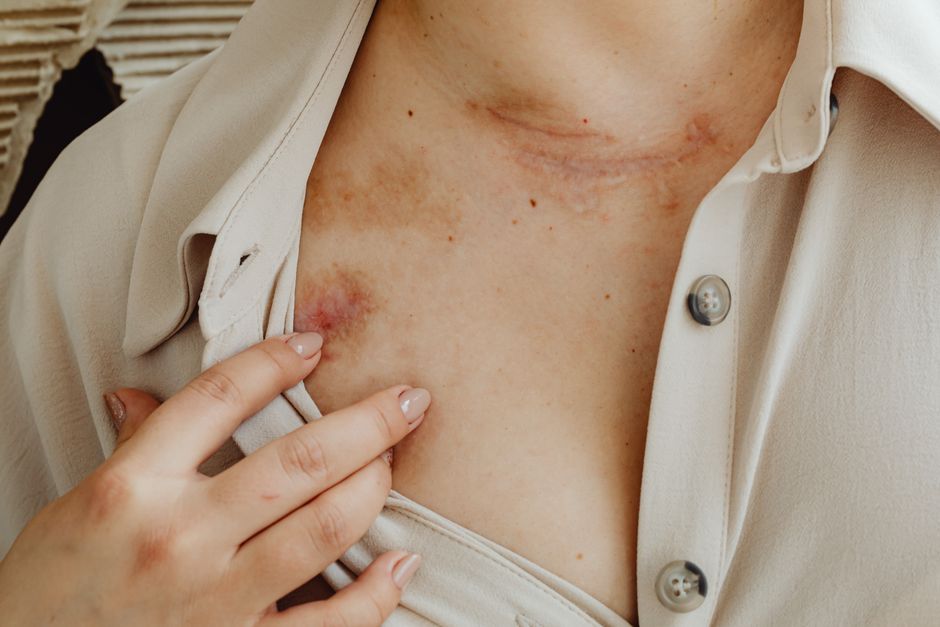
Scarring is a normal part of the healing process, but the way you treat a wound in the first few weeks makes a real difference in how visible the final scar will be. You cannot erase a scar completely, but you can influence its size, color, and texture. The most effective approach combines immediate first aid, consistent moisture, and protection from the sun. Clean the wound gently, keep it covered with a moist dressing, and use silicone products once the skin has closed to see the best results.
Why Do Some Wounds Scar More Than Others?
The depth of the wound is the biggest factor. A superficial scrape that only affects the top layer of skin usually heals without a lasting mark. A cut that goes deeper into the dermis, the second layer of skin, will almost always leave some form of scar tissue.
Location matters too. Skin on your joints, chest, and shoulders is under more tension, which pulls at the healing edges and encourages thicker scars. Younger skin also tends to scar more visibly because it produces more collagen in response to injury.
Genetics play a role that you cannot control. Some people naturally produce more collagen, leading to raised scars or keloids. If you know you have a history of thick scars, tell your doctor before any procedure so they can plan accordingly.
What Is the Best Way to Clean a Fresh Wound?
Start by washing your hands thoroughly with soap and water. Then rinse the wound under cool, clean running water to remove dirt and debris. This is the single most important step for preventing infection, which is the main cause of excessive scarring.
Avoid harsh antiseptics like hydrogen peroxide or rubbing alcohol. These kill bacteria, but they also damage healthy skin cells that are trying to repair the wound. Mild soap and water are sufficient for most cuts and scrapes. If the wound is visibly dirty or you cannot get it clean, seek medical attention rather than scrubbing it yourself.
After rinsing, gently pat the area dry with a clean towel. Do not rub. Then apply a thin layer of plain petroleum jelly or an antibiotic ointment. This keeps the wound environment moist, which speeds up healing and reduces scab formation. A scab is not your friend when it comes to scarring; it slows down cell migration and can lead to a wider scar.
Should You Let a Wound Breathe or Keep It Covered?
Keep it covered. The old advice to let a wound “breathe” is not supported by evidence. A covered wound heals faster and with less scarring than an exposed one.
A moist environment allows skin cells to move across the wound bed more easily. It also reduces pain and lowers the risk of infection. Use a sterile adhesive bandage or a non-stick pad secured with medical tape. Change the dressing daily or whenever it becomes wet or dirty.
Once the wound has closed and a new layer of skin has formed, usually within a few days for minor cuts, you can switch to a silicone gel sheet or silicone scar cream. Silicone is the only topical treatment with consistent clinical evidence for improving scar appearance. It works by hydrating the scar tissue and regulating collagen production.





How To Prevent Scarring Wound Care Tips That Work
The most effective wound care tips focus on the healing environment, not on expensive creams or gadgets. Here is what the evidence supports:
- Keep the wound moist with petroleum jelly or a silicone-based dressing until the skin has closed.
- Change dressings regularly to prevent bacterial overgrowth and keep the area clean.
- Do not pick at scabs or peeling skin. Let the healing process happen on its own timeline.
- Apply silicone gel or sheets once the wound is fully closed, and continue for at least 8 to 12 weeks.
- Massage the healed scar gently with moisturizer to break up tight collagen fibers and improve flexibility.
- Protect the area from sun exposure for at least a year after injury. Sunlight darkens scar tissue and makes it more noticeable.
These steps are not complicated, but consistency matters. A wound that is kept moist, clean, and protected will heal with a flatter, paler scar than one that is left to dry out and form a thick scab.
Do Silicone Products Really Work?
Yes, but they work best on closed wounds and mature scars. Silicone gel and sheets have been studied more than any other scar treatment, and the evidence consistently shows they improve scar color, thickness, and texture.
The mechanism is not fully understood, but researchers believe silicone creates a protective barrier that traps moisture in the skin. This hydration signals the skin to produce less collagen, which prevents raised scars from forming. It also helps regulate the temperature of the scar area.
Use silicone products daily for at least 12 weeks after the wound closes. For new scars, silicone sheets worn for 12 hours a day are effective. For older scars, silicone gel applied twice daily can still produce visible improvement, though results take longer.
Do not expect silicone to erase a scar completely. It reduces visibility, but it cannot restore skin to its original state. Be wary of any product that promises complete scar removal. No topical treatment can do that.
What About Vitamin E, Onion Extract, and Other Home Remedies?
Vitamin E is one of the most common home remedies for scars, but the evidence does not support it. Some studies have found that vitamin E applied to wounds can actually worsen the appearance of scars and cause contact dermatitis in some people. There is no strong clinical reason to use it.
Onion extract is another popular ingredient found in many over-the-counter scar creams. Some small studies show modest benefits, while others show no difference compared to a placebo. The evidence is mixed, and any benefit is likely small. If you want to try it, it is generally safe, but do not expect dramatic results.
Honey has antibacterial properties and has been used in wound care for centuries. Medical-grade honey is used in clinical settings for infected wounds. However, for a clean, healing wound, plain petroleum jelly works just as well and is much cheaper.
The bottom line is that no home remedy has evidence as strong as silicone. Save your money for products that have been tested in clinical trials.
When Should You See a Doctor About a Wound?
Some wounds need professional care to heal properly and minimize scarring. Seek medical attention if the wound is deep, if the edges do not come together easily, or if you can see fat, muscle, or bone through the opening. These wounds may need stitches to align the skin edges properly, which significantly reduces scar width.
Also see a doctor if the wound is on your face, near a joint, or shows signs of infection. Signs of infection include increasing redness, warmth, swelling, pain, or yellow or green discharge. A fever with a wound also warrants medical evaluation.
If you have diabetes, poor circulation, or a weakened immune system, any wound should be checked by a professional. These conditions slow healing and increase the risk of complications that lead to worse scarring.
How Long Does It Take for a Scar to Mature?
Scar tissue takes much longer to mature than most people realize. A wound may look closed in a week, but the underlying collagen remodeling continues for months.
In the first 6 to 8 weeks, a scar often looks red, raised, and firm. This is normal. The scar is still actively producing collagen during this phase. Between 3 and 6 months, the scar typically becomes softer and flatter, and the redness fades. Full scar maturation can take 12 to 18 months, depending on the location and size of the wound.
This long timeline is why you should continue silicone treatment and sun protection for at least a year. Stopping treatment after a month, when the scar still looks red, is a common mistake. The healing process is not finished just because the surface looks closed.
Can You Prevent Keloids and Hypertrophic Scars?
Keloids and hypertrophic scars are both raised scars, but they behave differently. Hypertrophic scars stay within the boundary of the original wound and often flatten on their own over time. Keloids grow beyond the wound edges and do not regress without treatment.
You cannot fully prevent these types of scars if you are genetically predisposed to them. However, early and consistent use of silicone, along with compression therapy, may reduce their severity. Compression garments or bandages are sometimes used on larger wounds to keep pressure on the healing tissue.
If you develop a keloid, dermatologists have treatment options including steroid injections, cryotherapy, and laser therapy. These treatments can flatten and soften the scar, but keloids have a high recurrence rate. Managing expectations is important.
Frequently Asked Questions
When should I start using silicone on a new scar?
Start silicone treatment as soon as the wound is fully closed and there is no scab or open skin. This is usually within a few days to a week after the injury.
Does keeping a wound covered prevent scarring?
Yes, keeping a wound covered with a moist dressing promotes faster healing and reduces the risk of a thick, raised scar. Change the dressing daily and keep the wound clean.
Is it better to let a cut scab over?
No. A scab is a natural bandage, but it slows healing and can lead to a wider scar. Keeping the wound moist with petroleum jelly prevents a thick scab from forming.
How long should I protect a scar from the sun?
Protect the scar from direct sun exposure for at least 12 months after the wound heals. Sunlight can permanently darken scar tissue and make it more visible.
