
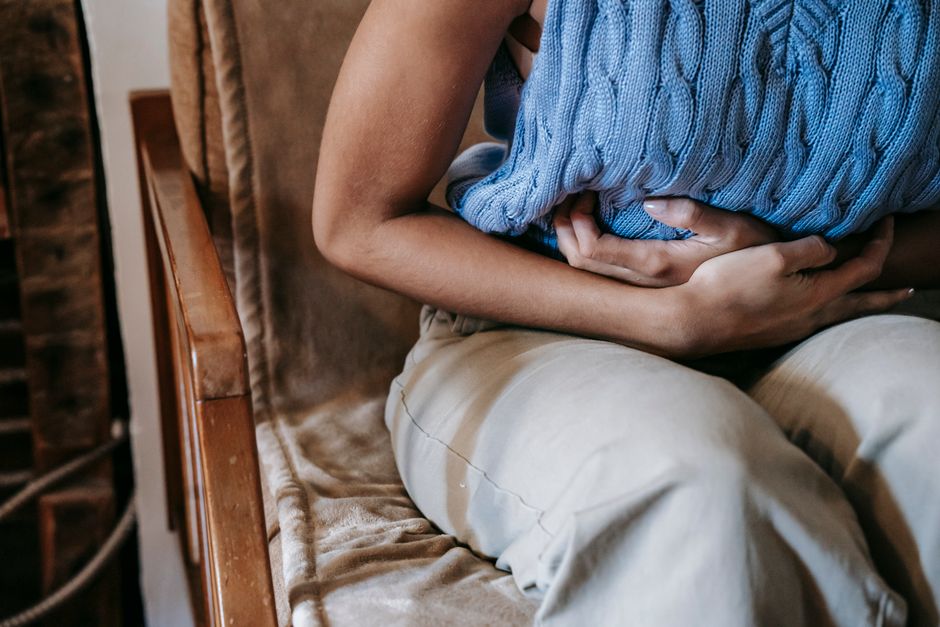
Bloating before your period is common, but you can take steps to reduce it. The key is to start early—about a week before your period—by adjusting your diet and habits. Lower your salt intake, eat potassium-rich foods, drink plenty of water, and get regular exercise. These steps help your body flush out extra fluid and calm digestive changes linked to your menstrual cycle.
What Causes Period Bloating?
Period bloating happens because of shifts in hormones. After ovulation, levels of progesterone rise, then fall sharply before your period starts. This drop signals your body to hold onto more sodium and water. Estrogen also changes, which can affect fluid balance in your tissues.
At the same time, chemicals called prostaglandins increase to help your uterus shed its lining. Prostaglandins can also affect your digestive tract, leading to gas, slower movement of food, and a feeling of fullness. The combination of water retention and slower digestion is what makes your belly feel tight and swollen.
How Can Diet Help Prevent Bloating Before Your Period?
Diet is one of the most effective ways to manage pre-period bloating. Start reducing sodium a week before your period is expected. Packaged soups, fast food, processed meats, and salty snacks are common sources. Aim for whole foods like fresh fruits, vegetables, lean proteins, and whole grains.
Potassium helps balance sodium in your body. Foods rich in potassium include bananas, sweet potatoes, spinach, avocados, and beans. Drinking more water also helps, even though it sounds counterintuitive. When you are well hydrated, your kidneys are better able to flush out excess sodium and fluid.
Avoid foods that cause gas. Cruciferous vegetables like broccoli, cauliflower, and cabbage, as well as beans and lentils, can make bloating worse for some people. You do not need to cut them out completely, but eating smaller portions and cooking them well can reduce gas.
Eating smaller, more frequent meals instead of large ones can also prevent your stomach from stretching too much. Chew your food slowly and avoid carbonated drinks, which add air to your digestive tract.
Does Exercise Reduce Period Bloating?
Yes, regular exercise can help reduce bloating before your period. Physical activity stimulates blood circulation and helps move fluid out of your tissues and back into your bloodstream, where your kidneys can process it. Moderate exercise like walking, jogging, cycling, or swimming is effective.
Exercise also helps reduce stress, which can worsen bloating in some people. When you are stressed, your body releases cortisol, which can increase water retention. Even 20–30 minutes of brisk walking a day can make a difference. Light stretching or yoga may also ease digestive discomfort by relaxing abdominal muscles.

Can Supplements Like Magnesium or Vitamin B6 Prevent Bloating?
Some research suggests that certain supplements may help with period bloating, but the evidence is not strong. Magnesium, especially magnesium oxide or magnesium glycinate, has been studied for its role in reducing water retention and other PMS symptoms. Some small studies have found that magnesium combined with vitamin B6 can reduce bloating and breast tenderness.
Vitamin B6 may help by supporting how your body manages hormones. However, most studies have been small, and results are mixed. No large clinical trials have confirmed that either supplement reliably prevents bloating in most women.
If you want to try them, talk to your doctor first. High doses of magnesium can cause diarrhea, and too much vitamin B6 over time can cause nerve problems. Starting with food sources—leafy greens, nuts, seeds, poultry, and fish—is a safer approach.
What Lifestyle Changes Can Help?
Sleep matters. Poor sleep can raise cortisol levels, which increases water retention. Aim for 7–9 hours per night, especially in the week before your period. Stress management techniques like deep breathing, meditation, or a relaxing bedtime routine may also help.
Caffeine and alcohol can worsen bloating. Caffeine can tighten blood vessels and affect digestion, while alcohol is dehydrating and can cause your body to hold onto water. Limiting coffee, black tea, soda, and beer in the days before your period can reduce symptoms.
Some women find that wearing loose-fitting clothing during that week reduces discomfort and lets you notice when bloating is actually improving. Keeping a symptom diary can help you identify personal triggers—like certain foods or stress—so you can adjust your approach next month.
When Should You See a Doctor About Bloating?
Occasional bloating before your period is normal. But if bloating is severe, lasts beyond your period, or happens at other times in your cycle, talk to a doctor. Bloating can sometimes signal other conditions like irritable bowel syndrome, ovarian cysts, or endometriosis.
If you also have pelvic pain, heavy bleeding, or a feeling of fullness that does not go away, an evaluation is important. Never ignore symptoms that affect your daily life or continue for more than a couple of weeks. A doctor can help rule out more serious causes and suggest treatments such as hormonal birth control, which some women use to reduce PMS symptoms including bloating.
Frequently Asked Questions
How long does period bloating last?
Period bloating usually starts a few days before your period and resolves within the first day or two of bleeding. For some women, it may last the entire period but should fade once menstruation ends.
What foods make bloating worse before a period?
Salty foods, processed snacks, carbonated drinks, and gas-producing vegetables like broccoli, cabbage, and beans are common triggers. Sugary foods can also worsen water retention in some people.
Does drinking water help with period bloating?
Yes, drinking enough water helps your kidneys flush out excess sodium and fluid. Aim for 8–10 glasses of water a day, especially in the week before your period.
Can birth control pills prevent period bloating?
Hormonal birth control, especially continuous-use pills, can reduce hormone fluctuations that cause bloating. Many women report less bloating while on the pill, but results vary. Talk to your doctor about whether this option is right for you.
