
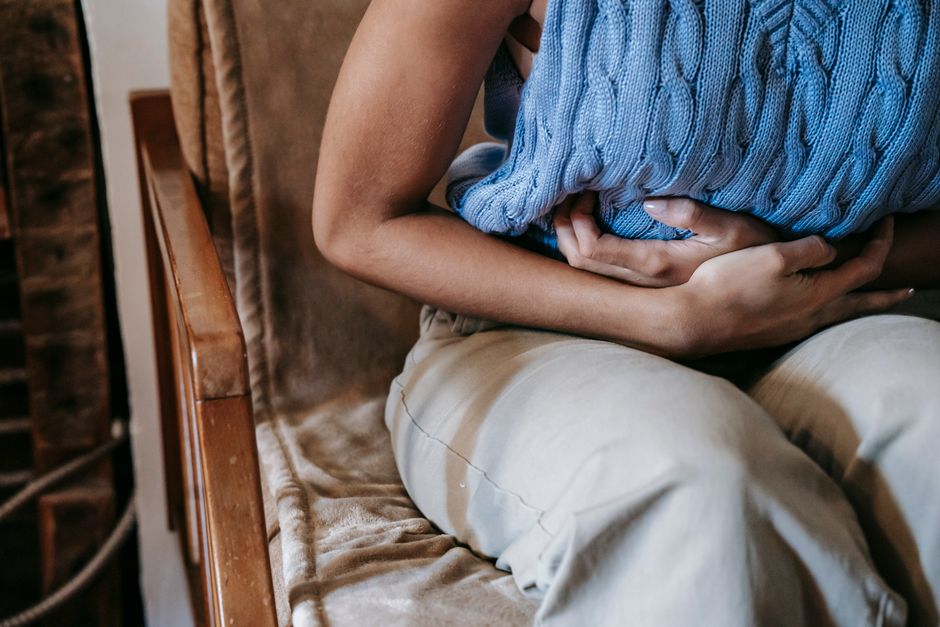
Period bloating usually starts one to two days before your period and lasts through the first two to three days of bleeding. For most women, the bloating goes away completely by day three or four of their period. However, some women experience bloating for a full week or longer, depending on their body and how their hormones shift.
What Causes Bloating During Your Period?
Bloating is linked to changes in hormones that happen naturally during the menstrual cycle. Right before your period, levels of progesterone drop and estrogen rises. These shifts can cause your body to hold onto more water and salt. The result is a feeling of fullness, puffiness, or swelling in the belly area.
Other factors add to the sensation. Progesterone also slows down digestion. This means food moves through your intestines more slowly, which can lead to gas and constipation. Together, water retention and slower digestion create that uncomfortable bloated feeling many women know well.
Some research suggests that bloating is one of the most common physical symptoms of premenstrual syndrome (PMS). But it is not a sign of anything wrong. It is a normal response to the hormonal changes that prepare the body for a potential pregnancy.
How Long Does Period Bloating Typically Last?
For the majority of women, bloating lasts between two and five days. It often starts during the late luteal phase, which is the week before your period begins. The symptom usually peaks on the first day of bleeding and then fades quickly over the next day or two.
Studies have found that bloating resolves once the hormone levels stabilize, usually by day three or four of the period. Some women notice the bloat disappears completely after the first heavy day of flow. Others feel it linger until the period ends.
If you track your cycles, you may notice a pattern. Bloating tends to come and go at roughly the same time each month. If your bloating lasts significantly longer than a week, or if it happens at times unrelated to your period, it may be caused by something else.
Why Does Bloating Last Longer for Some Women?
Several factors can stretch the duration of period bloating beyond the usual few days. Every woman’s body responds to hormones differently. Some women are more sensitive to the water‑retaining effects of estrogen and progesterone. Others produce slightly higher levels of these hormones, which can lead to more pronounced and longer‑lasting bloating.
Diet also plays a role. A high‑salt diet encourages the body to hold onto water. Processed foods, salty snacks, and hidden sodium in restaurant meals can worsen bloating and make it last longer. On the other hand, a diet rich in potassium‑rich foods, such as bananas and leafy greens, may help your body shed excess water more quickly.
Digestive health matters too. Women with irritable bowel syndrome (IBS) or other digestive conditions often experience worse and longer bloating around their period. The hormonal slowdown of digestion combines with an existing sensitivity to gas and bowel movements, prolonging the uncomfortable feeling.
Stress is another factor. Stress hormones can affect the balance of estrogen and progesterone, potentially worsening bloating and extending its duration. High stress may also slow digestion further and increase water retention.





Can You Reduce Period Bloating?
You cannot completely stop period bloating because it is driven by normal hormone changes. But you may be able to reduce its severity and how long it lasts. Approaches that have some evidence behind them include dietary adjustments, hydration, physical activity, and sometimes over‑the‑counter medications.
Staying well hydrated may seem counterintuitive, but drinking enough water helps your kidneys flush out excess sodium and water. When you are dehydrated, your body holds onto water more tightly. Aim for water throughout the day rather than large amounts at once.
Reducing salt in the days before your period can make a noticeable difference. The American Heart Association recommends no more than 2,300 mg of sodium per day for most adults, but many people consume far more. Cutting back on processed foods and adding your own salt sparingly may help your body retain less fluid.
Regular physical activity improves circulation and helps your digestive system move food through more efficiently. Exercise also helps reduce stress. Even a 20‑minute walk may ease bloating. Some women find that light stretching or yoga specifically targeting the abdomen provides relief.
Diuretic foods like asparagus, cucumber, watermelon, and celery may help your body excrete extra water. However, there is limited clinical research to confirm how much these foods change bloating. They are safe to include as part of a balanced diet, but they are not a substitute for medical treatment if bloating is severe.
Over‑the‑counter options include nonsteroidal anti‑inflammatory drugs (NSAIDs) like ibuprofen, which can reduce prostaglandins that contribute to pain and inflammation during periods. Some women also try gas‑relieving medications containing simethicone. These can help with bloating caused by gas, but they do not address water retention. Always follow the dosing instructions on the package and check with a doctor if you have any health conditions or take other medications.
When Should You See a Doctor About Period Bloating?
Bloating that is severe, lasts more than a week, or happens outside of your menstrual cycle may be a sign of something other than PMS. Conditions such as endometriosis, ovarian cysts, uterine fibroids, or even digestive disorders can cause bloating that mimics period‑related bloating but lasts longer or is more intense.
You should also see a doctor if bloating is accompanied by other symptoms like pelvic pain, bleeding between periods, nausea, vomiting, or unexplained weight loss. Sudden or severe bloating that comes on quickly could signal a more serious problem, such as an ovarian issue or an infection.
There are no specific diagnostic criteria for period bloating because it is considered a normal symptom. However, a doctor can help rule out other causes. They may ask you to keep a symptom diary for a few cycles. This information can help determine whether the bloating is truly tied to your menstrual cycle or if something else is going on.
If you have been told you have PMS or premenstrual dysphoric disorder (PMDD), treatment options are available. These can include hormonal birth control, which can stabilize hormones and reduce bloating. Diuretics prescribed by a doctor are another option for severe fluid retention, but they are not recommended for routine use because of potential side effects like electrolyte imbalances.
Frequently Asked Questions
Is it normal to have bloating before your period?
Yes, bloating before your period is a very common PMS symptom. It usually starts one to two days before bleeding and goes away within a few days of your period starting.
Can birth control help with period bloating?
Sometimes. Hormonal birth control can level out the estrogen and progesterone that cause water retention. Some women notice less bloating while on the pill, but others may experience it as a side effect.
Does drinking more water actually reduce period bloating?
Yes, staying hydrated can help your kidneys flush out excess sodium and water, which may reduce bloating. Drinking water does not cause more bloating—that is a common myth.
When should I worry about period bloating?
If bloating lasts longer than a week, is very painful, or happens at times not related to your period, talk to a doctor. It could be a sign of a condition like endometriosis or fibroids.
