

An MRI scan is a common imaging test that uses a strong magnetic field and radio waves to create detailed pictures of the inside of your body. Preparing for one is mostly about following specific instructions from your doctor and the imaging center, particularly regarding metal objects and eating. You will lie still inside a tube-shaped machine for 30 to 60 minutes while the scanner takes images, and you should expect loud knocking noises throughout the process.
What Is an MRI and Why Do You Need One?
Magnetic resonance imaging (MRI) is a non-invasive test that gives doctors a very clear look at your soft tissues. This includes your brain, spinal cord, muscles, ligaments, and organs like the liver and kidneys. Unlike X-rays or CT scans, an MRI does not use ionizing radiation.
Doctors order MRIs to diagnose a wide range of conditions. These include torn ligaments, herniated discs, brain tumors, strokes, and multiple sclerosis. The images are highly detailed, which helps doctors make more accurate diagnoses and plan treatments.
The machine itself is a large tube with a magnet inside. You lie on a table that slides into the tube. The magnet is incredibly strong, which is why there are strict safety rules about metal.
How To Prepare For An Mri Scan What To Expect: The Steps You Must Take
Preparation starts with a phone call to your imaging center. They will give you specific instructions based on the type of MRI you are having. Some scans require fasting, while others do not.
For most MRIs, you can eat and drink normally. The main exception is an MRI of your abdomen or pelvis. For these, your doctor may ask you to fast for 4 to 6 hours beforehand. Always follow the specific instructions given to you, not general advice you read online.
You should also arrive early. Plan to be at the center for about an hour total. This includes check-in, changing into a gown, and the scan itself.
Wear comfortable clothes with no metal. In most cases, you will change into a hospital gown anyway. This is because even small metal parts in clothing, like zippers or underwire bras, can interfere with the magnetic field.
The Metal Screening: The Most Important Safety Step
The magnetic field of an MRI is always on. It does not turn off between scans. This means any metal in or on your body can be dangerous.
Before your scan, you will fill out a detailed safety questionnaire. You will also have a conversation with a technologist. Be completely honest about any metal in your body. This includes surgical clips, plates, screws, and dental work.
Some implants are MRI-safe, and some are not. The technologist needs to know exactly what you have. If you have a pacemaker, you must tell them immediately. Many pacemakers are now MRI-compatible, but this must be verified by a specialist.
Other items that need to be removed include:
- Jewelry, including rings, earrings, and necklaces
- Watches and hearing aids
- Hairpins and barrettes
- Glasses and dentures
- Body piercings
- Clothing with metal snaps or zippers
- Credit cards with magnetic strips
Inform the technologist if you have shrapnel or bullet fragments in your body. This is especially relevant for veterans or people who have worked in metal fabrication. Even tiny metal fragments in the eye from grinding metal can cause serious injury during an MRI.
If you have tattoos, tell the technologist. Some tattoo inks contain metallic particles. In rare cases, tattoos can cause skin irritation during an MRI. This is usually mild, but it is worth mentioning.



What Happens During the Scan
You will lie on a padded table. The technologist will position you carefully and may use straps or pillows to help you stay still. Staying still is critical because movement blurs the images.
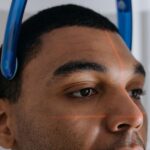
For scans of your head, a device called a coil may be placed around your head. This is not a restraint. It is a receiver that helps capture better images. It can feel snug, but it should not hurt.
The table will slide into the tube. The tube is narrow and open at both ends. If you are claustrophobic, tell your doctor before the scan date. They may give you a mild sedative to help you relax. Some newer machines are wider and shorter, which helps with anxiety.
During the scan, you will hear loud noises. These sounds include knocking, tapping, and buzzing. They are the result of the magnetic coils turning on and off. The sounds are normal and mean the machine is working correctly. Many centers offer earplugs or headphones with music to help block the noise.
The technologist will be in another room, but they can see and hear you at all times. There is an intercom so you can speak to them. You will also be given a squeeze ball. If you need help for any reason, squeeze the ball.
The scan itself can last anywhere from 15 to 60 minutes. The length depends on the body part being imaged and how many sequences are needed. You will need to hold your breath for short periods during some scans, particularly abdominal ones.
What About Contrast Dye?
Some MRI scans require a contrast agent. This is a liquid, usually containing gadolinium, that is injected into a vein. It helps certain structures show up more clearly on the images.
Contrast is often used for brain, spine, and joint scans. It helps doctors see inflammation, tumors, and blood vessel abnormalities. The injection happens right before or during the scan.
Most people tolerate contrast well. Some feel a cool sensation at the injection site or a metallic taste in their mouth. These feelings pass quickly.
If you have kidney disease, tell your doctor. Gadolinium-based contrast agents are generally safe, but they can cause a rare condition called nephrogenic systemic fibrosis in people with severely impaired kidney function. Your doctor may order a blood test to check your kidneys before using contrast.
Allergic reactions to gadolinium are rare. If you have had a reaction to contrast before, tell your doctor. They can give you medication beforehand to reduce the risk.
Practical Tips for the Day of Your MRI
Take your regular medications as prescribed unless your doctor tells you otherwise. If you are diabetic, ask about your insulin and food intake, especially if you are fasting.
Leave all valuables at home. You will not be able to wear them during the scan, and lockers may not be available. This includes your phone, wallet, and keys.
Consider bringing a friend or family member. They can drive you home if you receive a sedative. Even without sedation, having someone there can reduce anxiety.
Use the restroom before the scan begins. The scan can take up to an hour, and you cannot get up mid-scan.
Relax your body as much as possible. Focus on slow, steady breathing. Some people find it helpful to close their eyes before entering the tube and keep them closed throughout. This reduces the feeling of being enclosed.
Let the technologist know if you are uncomfortable. They can adjust your position or give you a blanket. Many centers allow a family member to sit in the room during the scan, though this is not always possible.
Frequently Asked Questions
Can I eat before an MRI?
Yes, for most MRIs you can eat and drink normally. If you are having an abdominal or pelvic MRI, your doctor may ask you to fast for 4 to 6 hours beforehand.
What happens if I move during an MRI?
Movement creates blurry images. If this happens, the technologist may need to restart that sequence, which adds time to your scan.
Is an MRI painful?
No, the scan itself is not painful. You may feel discomfort from lying still, and the injection site may sting briefly if contrast is used.
How long does an MRI take?
Most scans take between 30 and 60 minutes. The exact time depends on the body part being scanned and whether contrast is needed.
