
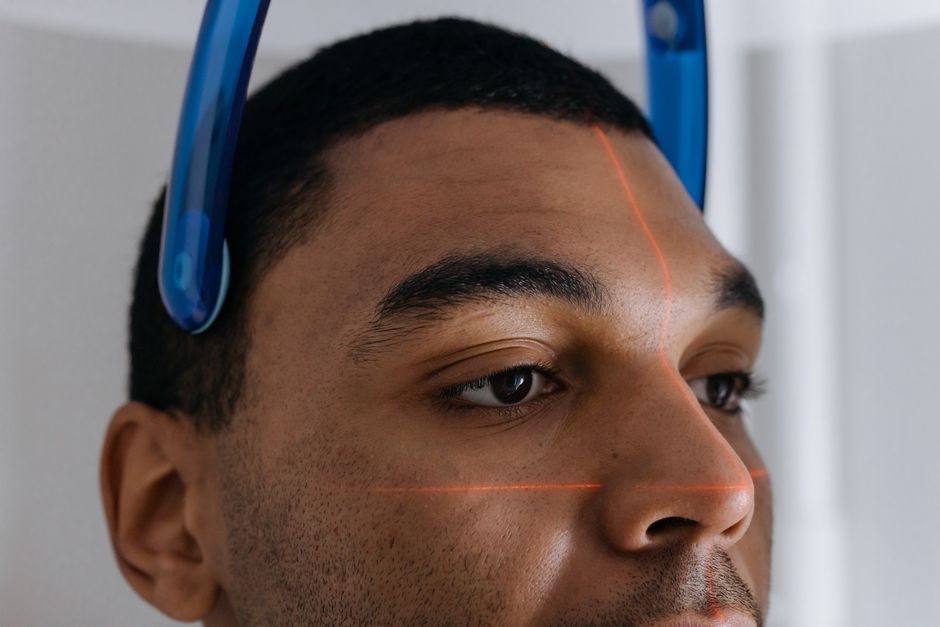
A CT scan machine is a medical imaging device that uses X-rays and computer processing to create detailed cross-sectional pictures of the inside of your body. Unlike a standard X-ray which flattens everything into one image, a CT scanner takes many pictures from different angles and stacks them together like slices of bread. This gives doctors a much clearer view of bones, organs, blood vessels, and soft tissues. You lie still on a table that slides into a large donut-shaped machine while it scans you, and the whole process usually takes less than 30 minutes.
What Exactly Is a CT Scan Machine and How Does It Work?
A CT scan machine, also called a computed tomography scanner, is a specialized X-ray system. The “donut” part of the machine is called the gantry. Inside the gantry, an X-ray tube rotates around your body in a full circle. On the opposite side of the ring, detectors capture the X-rays that pass through you.
The key difference from a regular X-ray is the computer. The detectors send data to a computer that processes thousands of measurements and reconstructs them into cross-sectional images. Each image represents a slice of your body, usually between 1 and 10 millimeters thick. The computer can also stack these slices to create 3D models of your anatomy.
Modern CT scanners are fast. A single rotation of the X-ray tube can take less than one second. Some newer machines have multiple rows of detectors, which means they can capture more slices at once. This speed is important because it reduces motion blur from breathing or heartbeat.
What Happens During a CT Scan?
When you arrive for a CT scan, you will likely change into a hospital gown. Metal objects like jewelry, glasses, and belts must be removed because they interfere with the X-rays. You will lie on a motorized table that moves slowly through the gantry opening.
The technologist operates the machine from a separate room behind a window. They can see and hear you at all times through an intercom. You will be asked to hold still and sometimes hold your breath for a few seconds. This prevents blurry images. The table will move in small increments as the machine scans each section of your body.
For some scans, you may receive contrast material. This is a dye that makes certain tissues and blood vessels show up more clearly on the images. Contrast can be given through an IV in your arm, as a drink, or as an enema depending on what body part is being examined. If you get IV contrast, you might feel a warm sensation or a metallic taste in your mouth. These feelings usually last only a minute or two.
The scan itself is painless. You will hear whirring and clicking sounds from the machine as it operates. A typical scan takes 10 to 30 minutes total, including setup time. The actual scanning part often lasts less than a minute.
What Conditions Can a CT Scan Detect?
CT scans are used for a wide range of medical purposes. They are one of the fastest ways to examine internal injuries after trauma. The CDC reports that CT scans are commonly used in emergency rooms to evaluate head injuries, internal bleeding, and fractures that are hard to see on regular X-rays.
Common uses include:
- Detecting tumors or cancers in the lungs, liver, pancreas, and other organs
- Identifying blood clots in the lungs (pulmonary embolism)
- Evaluating bone fractures and spinal injuries
- Guiding biopsies and other medical procedures
- Planning radiation therapy for cancer treatment
- Diagnosing infections or inflammation in the abdomen
- Assessing coronary artery disease with specialized cardiac CT scans
Research published in the New England Journal of Medicine has shown that CT scans can detect lung cancer at earlier stages than chest X-rays alone. This has led to screening recommendations for people at high risk, such as long-term heavy smokers.
CT scans are not the first choice for every condition. For soft tissue problems like torn ligaments or brain abnormalities, MRI often provides better detail. Doctors choose CT when they need fast results, when they are looking at bone or blood vessels, or when a patient cannot have an MRI due to metal implants or claustrophobia.




What Are the Risks and Radiation Concerns?
CT scans expose you to ionizing radiation. This type of radiation can damage DNA in cells, and repeated exposure increases the lifetime risk of developing cancer. This risk is real but small for a single scan. The American College of Radiology states that the cancer risk from one CT scan is estimated to be about 1 in 2,000 for a typical adult. For comparison, your natural lifetime risk of dying from cancer is about 1 in 5.
The amount of radiation varies by the type of scan. A chest CT exposes you to roughly the same amount of radiation you would get from natural background sources over one to three years. A head CT is lower. A full-body CT is higher. Children are more sensitive to radiation than adults, so doctors use lower-dose protocols for pediatric patients.
Modern CT machines are designed to use as little radiation as possible while still producing diagnostic images. This is called ALARA — As Low As Reasonably Achievable. Technologists adjust the settings for each patient based on body size and the area being scanned.
Pregnant women should tell their doctor and the technologist before a CT scan. The radiation can harm a developing fetus. In many cases, doctors will choose a different imaging method like ultrasound or MRI for pregnant patients unless the CT is urgently needed.
How Do CT Scans Compare to Other Imaging Tests?
Different imaging tests serve different purposes. The table below shows the main differences between CT scans and other common imaging methods.
| Imaging Type | Best For | Uses Radiation | Scan Time | Key Limitation |
|---|---|---|---|---|
| CT scan | Bones, blood vessels, lungs, trauma, cancer | Yes | 10-30 minutes | Radiation exposure |
| X-ray | Bones, chest infections | Yes (low dose) | 1-2 minutes | Poor soft tissue detail |
| MRI | Brain, spinal cord, joints, soft tissues | No | 30-60 minutes | Loud, claustrophobic, no metal allowed |
| Ultrasound | Pregnancy, gallbladder, blood flow | No | 15-30 minutes | Limited by bone and air |
| PET scan | Cancer metabolism, brain function | Yes | 30-60 minutes | Expensive, requires radioactive tracer |
CT scans are often the fastest option in emergencies. An MRI takes much longer and requires the patient to stay perfectly still inside a narrow tube. Ultrasound does not use radiation but cannot see through bone or air-filled organs like the lungs. Regular X-rays are quick and low-radiation but provide much less detail than CT.
Some newer machines combine CT with PET scanning. These hybrid machines can show both the anatomy from the CT and the metabolic activity from the PET in one session. This is especially useful for cancer staging.
How Should You Prepare for a CT Scan?
Preparation depends on the type of scan you are getting. For most CT scans, you can eat and drink normally before the test. If your scan requires contrast material, your doctor may ask you to avoid eating for a few hours beforehand.
For abdominal or pelvic scans, you may be asked to drink a contrast solution before the scan. This liquid helps highlight your digestive tract on the images. It usually tastes chalky but is not harmful. You will need to drink it over 30 to 60 minutes before the scan.
Tell your doctor about any medications you take, especially metformin for diabetes. Some contrast materials can affect kidney function, and metformin combined with contrast can cause a rare but serious complication. Your doctor may ask you to stop taking metformin for 48 hours after the scan.
Also tell your doctor if you have any allergies, especially to iodine or shellfish. The contrast material contains iodine, and allergic reactions are possible though uncommon. If you have a known allergy, you may be given medication beforehand to reduce the risk.
Wear comfortable, loose-fitting clothing without metal snaps or zippers. You will likely be asked to remove any clothing with metal parts. Leave jewelry and watches at home if possible.
Common Misconceptions About CT Scans
One widespread myth is that CT scans are dangerous because of radiation. While radiation exposure carries a real risk, the dose from a single CT scan is carefully controlled and justified by the medical benefit. The risk of missing a serious diagnosis like a brain bleed or cancer is far greater than the cancer risk from one scan.
Another misconception is that open MRI is always better than CT because it does not use radiation. Open MRI machines produce lower quality images than closed MRI or CT for many conditions. Your doctor chooses the best test based on what they need to see, not just on radiation concerns.
Some people believe that CT scans can detect all types of cancer. This is not true. CT scans can find many tumors but cannot detect all cancers, especially very small ones or those in certain locations. They also cannot tell for certain whether a spot is cancer or a benign growth. Biopsy is often needed for a definitive diagnosis.
There is also a belief that you can feel the radiation during the scan. You cannot. Radiation is invisible and painless. Any sensations you feel during a CT scan come from the table movement or the contrast injection, not from the X-rays themselves.
Frequently Asked Questions
How long does a CT scan actually take?
The actual scanning part takes less than one minute for most exams. The entire appointment including preparation and setup usually takes 15 to 30 minutes.
Can I drive myself home after a CT scan?
Yes, you can drive yourself home after a CT scan unless you received sedation or had a reaction to contrast material. Most people feel fine and can return to normal activities immediately.
Does a CT scan hurt?
No, the scan itself is painless. You may feel a pinch if you get an IV for contrast material, and some people feel warmth or a metallic taste when the contrast is injected.
Will a CT scan show everything wrong with me?
No, a CT scan shows specific anatomy and certain conditions but cannot detect all medical problems. Your doctor orders a CT scan to answer a specific question based on your symptoms and medical history.
