
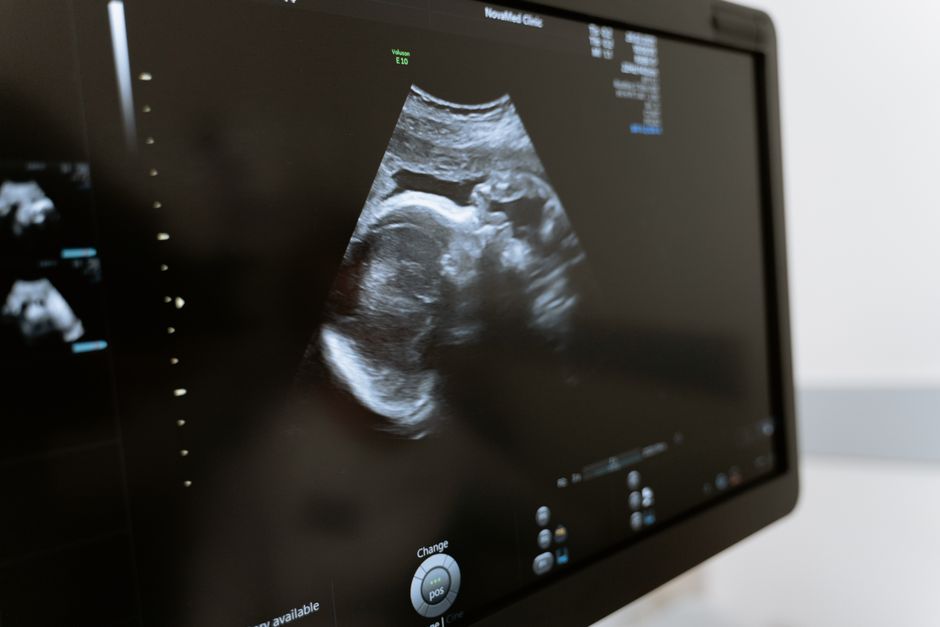
You lie still on a narrow table that slides into a large, doughnut-shaped machine. A CT scan is painless and quick, usually lasting 10 to 30 minutes. You will hear whirring and clicking sounds as the scanner rotates around you. The whole experience is straightforward, and most people go home right after.
What Happens During a CT Scan Step by Step?
You will be asked to change into a hospital gown and remove any metal objects like jewelry, glasses, or belts. Metal interferes with the images. The technologist will help you onto the table and position your body based on the area being scanned.
If your scan requires contrast dye, a small IV line will be placed in your arm or hand. The dye helps certain tissues and blood vessels show up more clearly. You might feel a warm flush or a metallic taste in your mouth when the dye goes in. That is normal and passes quickly.
The table moves slowly into the scanner. The technologist watches from a separate room but can see and hear you through an intercom. You need to hold your breath for a few seconds at a time to prevent blurry images. The scanner will make buzzing, clicking, and whirring sounds as it takes pictures from different angles.
Once the scan is complete, the table slides out. The technologist removes the IV if you had one, and you are free to leave. There is no recovery time needed.
Is a CT Scan Painful or Scary?
The scan itself is not painful. You feel nothing from the machine. Some people find lying still uncomfortable, especially if they have back pain or trouble staying in one position. The table is firm and narrow, which can feel restricting but not painful.
Anxiety is the most common discomfort. The enclosed space of the scanner can feel tight, though it is not as narrow as an MRI machine. If you are nervous, tell the technologist. They can offer a blanket, explain each step, or give you earplugs if the noise bothers you. Some centers allow a family member to stay in the room during the scan.
If you get contrast dye, the IV insertion is a brief pinch. Some people feel nausea or a headache after the dye, but these symptoms usually fade within minutes. Serious allergic reactions to contrast dye are rare, occurring in about 0.2% of cases according to the American College of Radiology.
How Should You Prepare for a CT Scan?
Preparation depends on the type of scan. For most CT scans, you can eat and drink normally. If your scan involves contrast dye, you may be asked to avoid solid food for a few hours beforehand. The specific instructions will come from your doctor or the imaging center.
Wear comfortable, loose clothing without metal zippers or snaps. Leave jewelry and watches at home. If you have diabetes, kidney problems, or take metformin, tell your doctor before the scan. Contrast dye can affect kidney function in rare cases, so the doctor may adjust your medications beforehand.
Bring your insurance card and any previous imaging results if you have them. Arrive 15 to 30 minutes early to complete paperwork and change. Pregnant women should inform the technologist. CT scans use ionizing radiation, which can harm a developing fetus. The doctor will weigh risks and benefits carefully.




What Does the Radiation Exposure Mean for You?
CT scans use X-rays, which are a form of ionizing radiation. The amount varies by the body part scanned. A typical chest CT gives about 7 millisieverts (mSv) of radiation. For reference, the average American gets about 3 mSv per year from natural background radiation. A single CT scan is roughly equal to one to three years of natural background exposure.
The risk from one CT scan is very small. Research published in the journal Radiology estimates that the lifetime cancer risk from a single CT scan is less than 1 in 1,000 for an adult. The benefit of detecting a serious condition like a tumor, blood clot, or internal injury far outweighs this tiny risk.
Doctors do not order CT scans casually. They follow guidelines from organizations like the American College of Radiology to ensure scans are medically necessary. If you are concerned about radiation, ask your doctor whether an ultrasound or MRI could work instead. Those options use no ionizing radiation.
How Long Does a CT Scan Take and When Will You Get Results?
The actual scanning time is short. Most scans take less than 10 minutes. The total appointment, including check-in, changing, and the scan itself, usually lasts 30 to 60 minutes. If you need contrast dye, add another 10 to 15 minutes for the IV and a short wait after the dye is injected.
Results are not immediate. A radiologist, who is a doctor trained in reading imaging, reviews the images and writes a report. This process typically takes 24 to 48 hours. Your regular doctor will then discuss the results with you. Some urgent findings are communicated faster, sometimes within hours.
Do not expect the technologist to give you results during the scan. They are not allowed to interpret images. That is the radiologist’s job. If you are anxious about waiting, ask your doctor’s office how they prefer to share results — by phone, patient portal, or an in-person visit.
What Are Common Misconceptions About CT Scans?
One widespread myth is that CT scans cause immediate pain or burning. They do not. The machine never touches you. Another myth is that you cannot move at all during the scan. You can breathe normally most of the time. You only hold your breath for a few seconds when the machine is actively taking images.
Some people worry that contrast dye contains iodine and will cause a serious allergic reaction. True allergies are rare. The American College of Radiology reports that severe reactions happen in about 0.04% of patients who receive contrast. Most reactions are mild, like hives or a runny nose, and are easily treated.
Another misconception is that CT scans are only for emergencies. They are also used for routine screening, such as lung cancer screening in high-risk smokers, and for planning treatments like radiation therapy. Your doctor will explain why a CT scan is the right test for your specific situation.
CT Scan vs. MRI: What Is the Difference?
People often confuse CT scans with MRIs. Both create detailed images of the inside of your body, but they work differently and serve different purposes. The table below summarizes the key differences.
| Feature | CT Scan | MRI |
|---|---|---|
| Technology used | X-rays (ionizing radiation) | Magnetic fields and radio waves |
| Duration | 10 to 30 minutes | 30 to 60 minutes |
| Noise level | Moderate buzzing and clicking | Loud thumping and knocking |
| Best for | Bones, lungs, blood clots, trauma | Brain, spinal cord, joints, soft tissues |
| Claustrophobia | Less common; machine is open on both ends | More common; tube is narrow and enclosed |
| Radiation exposure | Yes | None |
Your doctor chooses between them based on what they need to see. CT scans are faster and better for emergencies. MRIs give better detail of soft tissues like the brain and spinal cord. Both are safe when used appropriately.
What to Avoid Before and After a CT Scan
Do not eat or drink anything for four hours before a scan that uses contrast dye, unless your doctor says otherwise. Avoid caffeine on the day of the scan if you are getting contrast, as it can increase the risk of side effects like jitteriness or rapid heart rate. Skip heavy exercise for 24 hours after contrast dye to reduce the chance of kidney strain.
If you are diabetic and take metformin, your doctor may ask you to stop the medication for 48 hours after contrast dye. This precaution protects your kidneys. Resume only when your doctor confirms it is safe. Do not drive yourself home if you received sedation, but that is rare for a standard CT scan.
Avoid wearing anything with metal, including underwire bras, jewelry, and clothing with metallic threads. The metal creates artifacts on the images that can hide important details. Leave piercings at home if the scan is near that body part.
Frequently Asked Questions
Can I eat before a CT scan?
It depends on the type of scan. For most CT scans without contrast, eating is fine. For scans with contrast, you may need to avoid solid food for a few hours.
Will I be alone during the CT scan?
The technologist watches from a separate control room but can see and hear you at all times through a window and intercom. You can speak to them if you need anything.
How long does it take to get CT scan results?
A radiologist reviews the images and sends a report to your doctor within 24 to 48 hours. Urgent findings may be communicated sooner.
Is a CT scan safe for children?
CT scans are safe for children when medically necessary. Doctors adjust the radiation dose to be as low as possible. They only order a CT scan if the benefits clearly outweigh the risks.
