
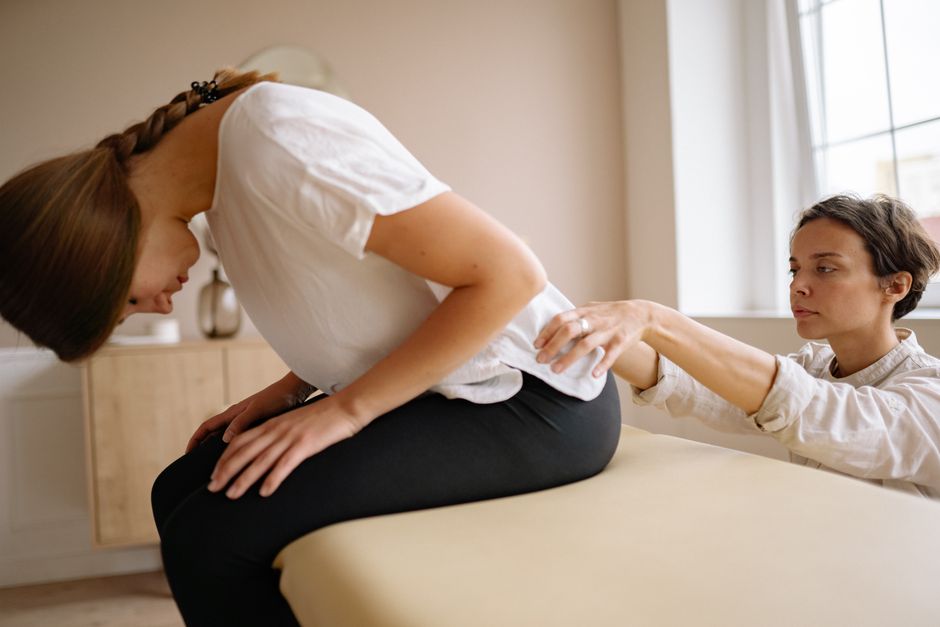
Back pain is one of the most common reasons people miss work or skip activities they love. If you want to minimize back pain today, start by changing how you sit, stand, and sleep. Move gently every hour, strengthen your core with simple exercises, and use heat or cold packs for relief. These steps won’t fix everything overnight, but they give you control over your pain right now.
What Actually Causes Most Back Pain?
Most back pain is mechanical, not mysterious. It comes from poor posture, weak muscles, or repeated strain over time. Sitting in a chair that slumps your lower back is a common cause. Lifting boxes with a rounded back instead of bent knees is another.
Research shows that the majority of acute back pain resolves on its own within weeks. That does not mean you should ignore it. It means your body can heal if you stop making things worse. The problem is that many people keep doing the same movements that caused the pain in the first place.
Current research suggests that stress and poor sleep also play a role. When you are tense or tired, your muscles tighten and your pain threshold drops. This creates a loop where pain makes sleep worse, and worse sleep makes pain harder to handle.
Structural problems like herniated discs or arthritis get a lot of attention. But they are not the main cause for most people. Even when scans show something abnormal, many people have no pain at all. The real driver is often how your body moves and recovers day to day.
How Can You Change Your Sitting and Standing Habits to Minimize Back Pain?
How you sit matters more than what you sit on. Your hips should be at or slightly above your knees. Your feet should rest flat on the floor. Your lower back should have a small curve, not a C-shape slouch. A rolled towel behind your lower back works as well as an expensive lumbar support.
Standing still is also hard on your back. When you stand for long periods, shift your weight from one foot to the other every few minutes. Put one foot on a small stool or box to tilt your pelvis slightly. This takes pressure off your lower spine.
Check your workstation. Your screen should be at eye level so you do not look down. Your elbows should be at a 90-degree angle when typing. If you work from a couch or bed, your back will almost always end up in a bad position. Use a real chair with support.
Set a timer to move every 30 minutes. Stand up, walk a few steps, or stretch your arms overhead. Staying in one position for hours is worse than any single bad posture. Movement keeps your joints lubricated and your muscles from locking up.
What Exercises Actually Help Minimize Back Pain?
Not all exercises are good for back pain. Crunches and toe touches can make things worse. Instead, focus on exercises that support your spine without straining it.
The best exercises strengthen your core. Your core includes your deep abdominal muscles, your lower back muscles, and your pelvic floor. These muscles act like a natural brace for your spine. When they are weak, your back takes more load.
Here are exercises with strong evidence behind them:
- Bird dog – Start on hands and knees. Extend one arm forward and the opposite leg back. Hold for a few seconds. Switch sides. This builds stability without compressing your spine.
- Dead bug – Lie on your back with arms and legs in the air. Slowly lower one arm and the opposite leg toward the floor. Keep your lower back pressed down. This teaches your core to work while your limbs move.
- Glute bridge – Lie on your back with knees bent. Lift your hips up. Squeeze your glutes at the top. Your glutes are large muscles that take load off your lower back when they are strong.
- Cat cow – On hands and knees, alternate between arching and rounding your back. This gentle movement improves mobility and reduces stiffness in the morning.
Do these exercises slowly. Quality matters more than quantity. If something hurts, stop. Pain is a signal, not a challenge to push through.
-
 How to Minimize Back Pain During Pregnancy? A Simple Guide
 -
How to Sleep to Reduce Lower Back Pain? Steps You Can Start Today
-
How to Know If My Back Pain is Kidney Related? Steps You Can Start Today
-
When Does Lower Back Pain in Pregnancy Start? What to Know
-
Joint Genesis Reviews 2026: What Complaints Real Users Have!





Does Stretching Help Minimize Back Pain?
Stretching helps some people but not everyone. For tight hamstrings, stretching can relieve pull on the lower back. For people with disc issues, certain stretches like touching your toes can increase pressure on the discs and make pain worse.
A better approach is to combine gentle stretching with strengthening. Stretching alone does not fix weak muscles. You need both mobility and stability. Think of it like a tire that is low on air. Stretching alone is like checking the tread. Strengthening is like putting air in.
Stretch your hip flexors if you sit a lot. Tight hip flexors pull your pelvis forward and increase the curve in your lower back. A simple kneeling hip flexor stretch can reduce this tension. Hold each stretch for 30 seconds without bouncing.
Stretch your hamstrings only if they are tight. To check, sit on the floor with one leg straight. If you cannot reach past your knee without your back rounding, your hamstrings are tight. Gentle hamstring stretches can then help reduce strain on your lower back.
How Do Heat and Cold Help Minimize Back Pain?
Heat and cold work differently. Cold reduces inflammation and numbs sharp pain. Heat increases blood flow and relaxes tight muscles. Using the right one at the right time matters.
For the first 48 hours after a new injury, use cold. Apply an ice pack wrapped in a thin cloth for 15 to 20 minutes every few hours. This helps calm down the initial inflammatory response. Do not put ice directly on your skin.
For chronic or ongoing pain, heat is often more helpful. A heating pad or warm bath can relax muscle spasms and improve blood flow to stiff areas. Use heat for 15 to 20 minutes at a time. Do not fall asleep with a heating pad on.
Some people alternate between heat and cold. There is no strong evidence that this is better than using one or the other. Try both and see what feels best for your body. Your preference is a valid guide.
Here is a quick comparison to help you decide:
| Situation | Best Option | Duration |
|---|---|---|
| New injury (first 48 hours) | Cold pack | 15-20 minutes |
| Muscle spasm or tightness | Heat pack | 15-20 minutes |
| Morning stiffness | Heat pack | 15-20 minutes |
| After exercise soreness | Cold pack | 15-20 minutes |
What Should You Avoid If You Want to Minimize Back Pain?
Avoid bed rest. It used to be standard advice to lie flat for days. Research now shows that bed rest weakens muscles and slows recovery. Gentle movement is better than staying still. If you need to rest, do it for short periods and get up regularly.
Avoid sitting on soft couches or low chairs. They let your hips drop below your knees and round your lower back. If you must sit on a soft surface, put a cushion behind your lower back to maintain the natural curve.
Avoid lifting with your back. Always bend your knees and keep the object close to your body. Do not twist while lifting. Turn your whole body instead. This is one of the most important habits to protect your spine.
Avoid wearing unsupportive shoes. Flat shoes like flip-flops or worn-out sneakers do not absorb shock well. This sends impact up through your legs into your lower back. Shoes with good arch support can make a noticeable difference for some people.
Avoid relying on painkillers alone. Medications can mask pain but they do not fix the underlying problem. Use them sparingly and only as a temporary tool while you work on movement and strength.
When Should You See a Doctor for Back Pain?
Most back pain does not need a doctor. But some signs mean you should get checked. See a doctor if you have numbness or tingling in your legs. See one if you lose control of your bladder or bowels. These are rare but serious.
See a doctor if your pain follows a fall or accident. See one if you have unexplained weight loss along with back pain. See one if the pain wakes you up at night or does not improve after a few weeks of home care.
For most people, physical therapy is more helpful than surgery or strong medications. A good physical therapist teaches you how to move in ways that reduce pain. They do not just give you a list of stretches. They watch how you move and correct your patterns.
Chiropractic care and massage help some people. The evidence is mixed. Some studies show short-term relief. Others show no benefit over standard care. If you try these approaches, look for a licensed professional and pay attention to how your body responds.
Frequently Asked Questions About Minimize Back Pain
How long does it take to minimize back pain with exercise?
Most people notice some improvement within two to four weeks of consistent gentle exercise. Full recovery can take six to twelve weeks depending on the cause and your consistency.
Is it better to use heat or ice for back pain?
Use ice for the first 48 hours after a new injury. Use heat for chronic stiffness or muscle spasms. Listen to your body and choose what feels best.
Can sleeping position affect back pain?
Yes. Sleeping on your side with a pillow between your knees keeps your spine aligned. Sleeping on your back with a pillow under your knees reduces pressure on your lower back.
Should I stop exercising if my back hurts during a movement?
Yes. Stop immediately if a movement causes sharp or increasing pain. Try a gentler version or a different exercise. Pushing through pain often makes the problem worse.
