
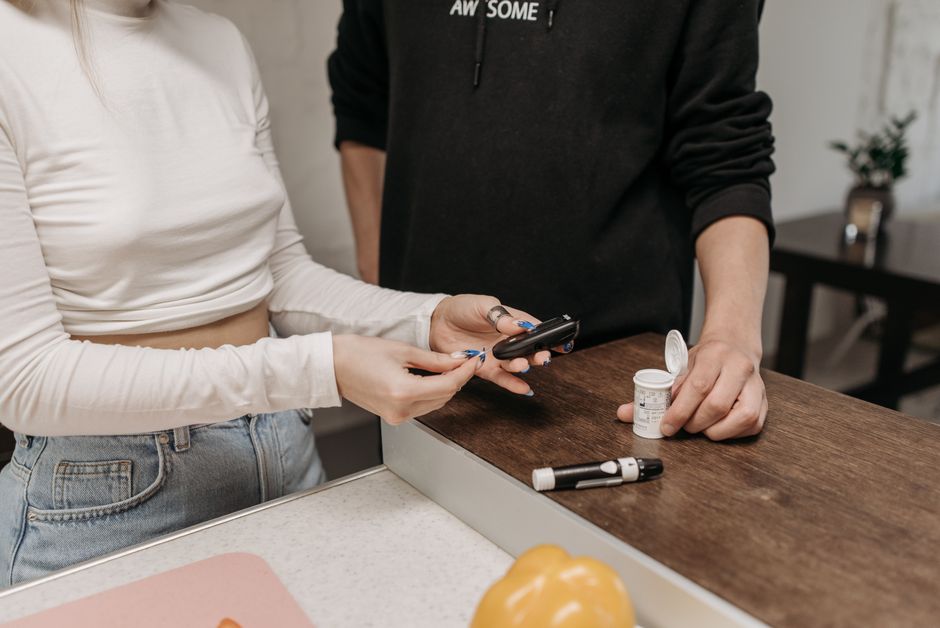
High blood sugar happens when glucose builds up in your bloodstream faster than your cells can take it in. Managing hyperglycemia comes down to a few reliable levers: reducing refined carbohydrates, moving your body regularly, taking prescribed medication as directed, and tracking your levels so you can spot problems early. For most people with diabetes, the target before meals is 80 to 130 mg/dL and under 180 mg/dL about two hours after a meal begins. Hitting those numbers consistently takes daily attention, not a single fix.
Below is what actually works, what the evidence says about popular remedies, and when high blood sugar becomes an emergency.
What Is Hyperglycemia And How Do You Know You Have It?
Hyperglycemia means too much glucose is circulating in your blood. The threshold most clinicians use is a fasting blood glucose above 130 mg/dL, or above 180 mg/dL after eating.
Glucose comes from the food you eat and from your liver, which makes and stores it. Insulin, a hormone made by the pancreas, moves glucose out of the blood and into cells for energy. When the body does not make enough insulin, or cells respond poorly to it, glucose stays in the blood.
Common signs of high blood sugar include:
- Frequent urination, especially at night
- Constant thirst
- Blurred vision
- Fatigue
- Slow-healing cuts or bruises
- Unexplained weight loss
Here is the part that surprises many people: you can have high blood sugar for years and feel completely normal. Type 2 diabetes often develops slowly, and symptoms may not appear until glucose has been elevated for a long time. That is why the American Diabetes Association recommends screening starting at age 35 for most adults, and earlier for people with risk factors such as a family history or excess weight.
How To Manage Hyperglycemia And Lower High Blood Sugar Through Diet?
Carbohydrates raise blood glucose more than any other nutrient, so how much and what kind you eat matters more than almost anything else you control.
Carbohydrates break down into glucose during digestion. Fewer carbs generally means a smaller rise after meals. But the type matters too. Refined carbs — white bread, sugary drinks, white rice, most packaged snacks — digest quickly and send glucose up fast. Fiber, protein, and fat slow digestion and blunt that spike.
Practical steps that fit most people:
- Fill half your plate with non-starchy vegetables
- Choose whole grains over refined ones
- Pair carbs with protein or healthy fat
- Cut back on sugar-sweetened drinks, which are the single biggest source of added sugar for many adults
- Eat at consistent times if you take insulin or certain medications
How many carbs per day is right for you depends on your body, medications, and activity level. There is no single number that works for everyone. A registered dietitian or diabetes educator can help you find a range that keeps your levels steady.
One clarification worth making: “low carb” and “keto” diets do reliably lower blood glucose in the short term in people with type 2 diabetes. Whether they outperform other eating patterns over years, and whether they are safe for everyone, is less settled. If you take insulin or a sulfonylurea, cutting carbs sharply can cause low blood sugar, so any major change should be discussed with your clinician first.
Does Exercise Lower Blood Sugar?
Yes, and often within a single session. Working muscles pull in glucose, and that effect can last for hours afterward.
Both aerobic exercise — walking, cycling, swimming — and resistance training help. Guidelines generally recommend at least 150 minutes of moderate activity per week, spread across most days, plus resistance training two or more times per week. That is the same target recommended for general health, which makes it an easy standard to aim for.
Two cautions matter here. First, if your blood sugar is very high and you have ketones in your urine, exercise can push it higher, not lower. Check before you train when you are unsure. Second, if you take insulin or drugs that increase insulin release, exercise can cause low blood sugar, especially if you exercise without eating or at an unusual time. Your care team can help you adjust.
Movement also improves how well your cells respond to insulin over time, which is separate from the immediate effect. That is a slower benefit but a durable one.


What Role Do Medications Play?
For many people with type 2 diabetes, diet and exercise alone are not enough to reach target levels, and that is not a personal failure. Type 2 diabetes is a progressive condition, and the pancreas tends to produce less insulin over time.
Several classes of medication work in different ways. Metformin lowers glucose mainly by reducing how much the liver releases. Other drugs increase insulin release, improve insulin sensitivity, slow carbohydrate absorption, or help the kidneys remove glucose through urine. Injectable medications and insulin replace or supplement what the body makes.
Which drug is right depends on your blood sugar levels, other health conditions, kidney function, cost, and side effects. Some medications also carry heart or kidney benefits that make them a better fit for certain people. That decision belongs with your clinician, not a general article.
What matters most for day-to-day management is taking what is prescribed, on schedule, and telling your care team if side effects make that hard. Skipping doses is one of the most common reasons glucose stays high.
How Do You Monitor Blood Sugar Effectively?
You cannot manage what you do not measure. Monitoring tells you whether your plan is working and where the gaps are.
There are two main approaches. A fingerstick meter gives you a reading at a moment in time. A continuous glucose monitor (CGM) uses a small sensor under the skin to track glucose every few minutes and shows trends across the day and night. CGMs have become more common and are now covered for many people with diabetes, though coverage varies.
When you check matters. Common times include:
- When you wake up, before eating
- Before meals
- About two hours after a meal begins
- Before and after exercise
- Before bed
- Any time you feel symptoms of low or high blood sugar
How often you check depends on your treatment. Someone on multiple daily insulin injections typically checks far more often than someone managing with diet and metformin alone. Ask your care team what schedule fits your situation.
An A1C test, done at a lab every three to six months, gives a picture of average glucose over the prior two to three months. Most adults with diabetes aim for an A1C below 7 percent, though that target shifts based on age, other conditions, and how prone you are to low blood sugar. A fingerstick or CGM reading tells you about right now. A1C tells you about the pattern. You need both to see the full picture.
When Is High Blood Sugar An Emergency?
Very high blood sugar can become life-threatening, and the signs are specific enough to act on.
Two serious conditions can develop. Diabetic ketoacidosis (DKA) happens mostly in people with type 1 diabetes, though it can occur in type 2 as well. The body, unable to use glucose, burns fat for fuel and produces acids called ketones. Hyperosmolar hyperglycemic state (HHS) happens mostly in type 2 diabetes and involves extreme dehydration and very high glucose.
Warning signs of both include:
- Blood sugar that stays very high despite treatment
- Nausea, vomiting, or stomach pain
- Deep or rapid breathing
- Confusion or drowsiness
- Fruity-smelling breath (more typical of DKA)
- Extreme thirst and dry mouth
These are medical emergencies. If you have these symptoms, get emergency care rather than waiting to see if things improve. Do not try to treat them at home.
Sick days deserve their own plan. Illness, infection, and some medications — including steroids — raise blood sugar. Many clinicians recommend checking glucose more often when you are sick and having a plan in place before you get sick. Ask your care team what to do when you cannot keep food or fluids down.
What About Supplements And “Blood Sugar” Products?
This is where the marketing outruns the evidence by a wide margin.
A long list of supplements — cinnamon, berberine, chromium, bitter melon, fenugreek, alpha-lipoic acid — is sold with claims about blood sugar. Some small studies have shown modest effects for a few of these. The evidence overall is limited, results vary between studies, and product quality is not tightly regulated in the United States. None of these replace medication, diet, or exercise.
If you want to try a supplement, tell your clinician first. Some interact with diabetes drugs or affect blood sugar in ways that matter, and some can cause harm. Do not stop or reduce prescribed medication because a supplement seems to be working.
The same caution applies to any product marketed as a “blood sugar cure.” No supplement has been shown to cure diabetes.
What Lifestyle Habits Make The Biggest Difference?
The habits that move blood sugar most are not exotic. They are consistent and unglamorous.
Sleep matters more than most people expect. Short or poor-quality sleep worsens insulin sensitivity, and ongoing sleep problems are associated with higher glucose. Stress does something similar — stress hormones raise blood sugar, and chronic stress tends to push people toward poorer food choices and less activity.
Smoking raises blood sugar and sharply increases the risk of heart and kidney complications in people with diabetes. Quitting is one of the highest-value changes available.
Alcohol needs care. It can lower blood sugar hours after drinking, which raises the risk of a delayed low, especially with insulin or drugs that increase insulin release. It also adds calories and can raise glucose depending on the drink.
Weight loss, where it applies, improves blood sugar. Losing a modest amount of weight — even a small percentage of body weight — tends to improve insulin sensitivity. In some people with type 2 diabetes, significant weight loss has put the condition into remission, meaning glucose stays in the normal range without medication. Remission is possible but not guaranteed, and it depends on how long someone has had diabetes and other factors.
None of these habits work in isolation. They stack. The person who walks daily, sleeps seven hours, takes their medication on time, and watches their carbs will almost always do better than someone who does one of those things perfectly and ignores the rest.
Frequently Asked Questions
What blood sugar level is considered high?
A fasting blood glucose above 130 mg/dL or a reading above 180 mg/dL about two hours after a meal is generally considered high for someone with diabetes. For people without diabetes, fasting glucose above 99 mg/dL is above the normal range.
Can you lower blood sugar without medication?
Some people can, especially early in type 2 diabetes, through diet, exercise, sleep, and weight loss. Whether that is enough depends on how much insulin your body still makes and how high your levels are.
How fast can you lower high blood sugar?
Diet and exercise changes can affect glucose within days, while A1C reflects changes over two to three months. Very high levels with symptoms of DKA or HHS need emergency care, not home remedies.
Do supplements like cinnamon or berberine lower blood sugar?
Some small studies show modest effects, but the evidence is limited and product quality is not tightly regulated. None of these replace medication, and you should tell your clinician before starting any supplement.
