
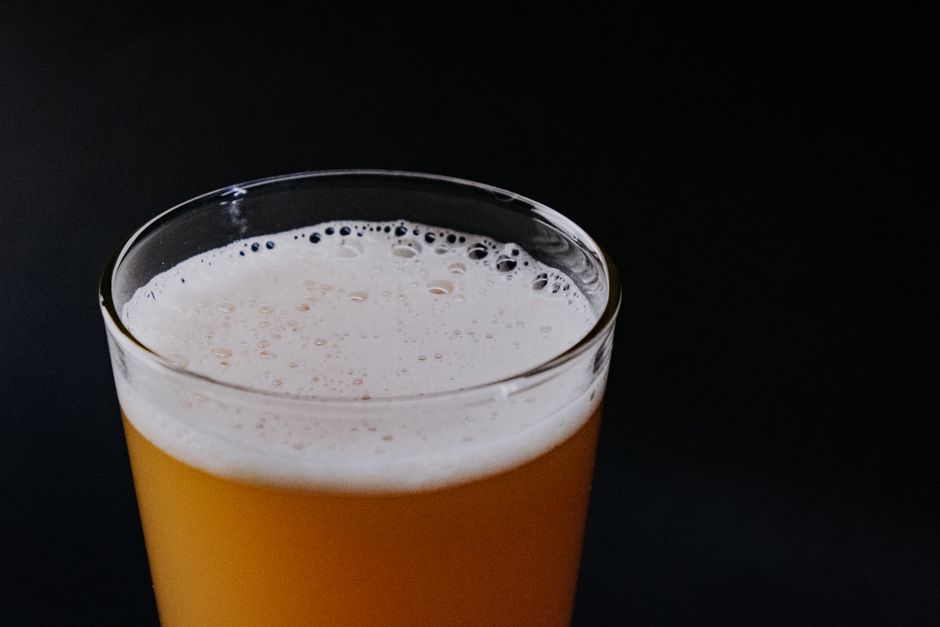
Making homemade alcohol with yeast and sugar is a straightforward fermentation process. You mix sugar with water, add yeast, and let it convert the sugar into ethanol and carbon dioxide. The basic steps are dissolving sugar in warm water, adding baker’s or brewer’s yeast, and storing the mixture in a sealed container with an airlock for one to three weeks. This produces a low-alcohol liquid similar to a weak wine or wash.
How Does Fermentation Actually Work for Homemade Alcohol?
Fermentation is a natural biological process. Yeast is a living fungus. When you add it to sugar water, it eats the sugar. The yeast converts sugar molecules into two main things: ethanol (alcohol) and carbon dioxide gas.
The chemical reaction is simple. One sugar molecule breaks down into two ethanol molecules and two carbon dioxide molecules. This is why you see bubbles during fermentation. Those bubbles are CO2 escaping. The alcohol stays in the liquid.
Temperature matters a lot. Yeast works best between 68°F and 78°F (20°C to 25°C). Too cold and the yeast goes dormant. Too hot and the yeast dies. The CDC notes that fermentation temperatures above 100°F can kill most common yeast strains.
Oxygen is needed only at the very start. After the first 24 hours, you want to keep air out. This prevents unwanted bacteria from turning your alcohol into vinegar. An airlock lets CO2 escape without letting oxygen in.
What Ingredients Do You Need to Make Homemade Alcohol?
You need only three basic ingredients. White granulated sugar is the most reliable. Brown sugar or honey work too but can change the flavor. The yeast can be active dry baker’s yeast from the grocery store. Brewer’s yeast or wine yeast gives a cleaner taste but is not required.
Water is the third ingredient. Tap water is fine if it does not have high chlorine levels. Let tap water sit out for 24 hours to let chlorine evaporate. Distilled or spring water works best if you want consistent results.
Optional ingredients can improve the final product. Yeast nutrient, which is available at homebrew shops, helps yeast work faster and more completely. Lemon juice or citric acid adjusts the pH. Yeast prefers a slightly acidic environment around pH 4.5 to 5.5.
Research from the Journal of the Institute of Brewing shows that adding yeast nutrient can increase alcohol yield by up to 15 percent. It is not necessary but helps if you want a stronger result.
What Are the Steps to Make Homemade Alcohol With Yeast and Sugar?
Start by cleaning everything. Bacteria and wild yeast can ruin your batch. Wash all containers, spoons, and measuring cups with hot soapy water. Rinse well. Some homebrewers use a mild bleach solution to sanitize. One tablespoon of bleach per gallon of water works. Let it sit for 10 minutes then rinse thoroughly.
Dissolve 4 to 6 cups of sugar in 1 gallon of warm water. The water should be warm to the touch but not hot. About 100°F (38°C) is ideal. Stir until all sugar dissolves completely. Undissolved sugar can cause problems later.
Once the sugar water cools to below 90°F, add your yeast. For a 1-gallon batch, use about 1 teaspoon of active dry yeast. Sprinkle it on top. Do not stir it in immediately. Let it sit for 10 minutes to rehydrate. Then stir gently.
Pour the mixture into a clean glass jug or food-grade plastic container. Seal it with an airlock. If you do not have an airlock, you can use a balloon with a small pinhole poked in it. This lets gas escape but keeps air out.
Store the container in a dark place at room temperature. Check it after 24 hours. You should see bubbles forming. Let it ferment for 1 to 3 weeks. When bubbling stops completely, fermentation is done.




How Do You Know When the Homemade Alcohol Is Ready?
The clearest sign is when bubbling stops. No more CO2 production means the yeast has finished converting sugar. This usually takes 7 to 14 days at room temperature. Cooler temperatures can extend this to 3 weeks.
You can use a hydrometer to measure alcohol content. A hydrometer measures the density of the liquid. Take a reading at the start and another at the end. The difference tells you the alcohol percentage. Most homemade sugar washes end up between 8 and 14 percent alcohol by volume.
The liquid should look clearer at the end. Cloudiness early on is normal. As yeast settles to the bottom, the liquid becomes clearer. This is called flocculation. If the liquid is still cloudy after 3 weeks, it may need more time or could have an infection.
Taste is another indicator. The liquid should taste dry, not sweet. A sweet taste means there is still unfermented sugar. This can happen if the yeast died or stopped working. You can add more yeast to restart fermentation if this happens.
Is Homemade Alcohol Safe to Drink?
Homemade alcohol from sugar and yeast is generally safe if made correctly. The biggest risk is contamination by harmful bacteria or mold. Clean equipment and proper fermentation conditions prevent this. The alcohol itself acts as a preservative at concentrations above 5 percent.
Methanol is a concern people often raise. Methanol is produced in very small amounts during fermentation. Research published in the Journal of Agricultural and Food Chemistry found that homemade fruit wines contain less than 0.1 percent methanol. Sugar washes produce even less. Methanol poisoning is a real risk with distilled spirits, not with simple fermentation.
The U.S. Alcohol and Tobacco Tax and Trade Bureau allows home fermentation for personal use. Federal law prohibits distilling without a license. Making beer, wine, or simple fermented alcohol is legal in most states. Check your local laws. Some states have restrictions on home fermentation.
Do not add anything to speed up the process. Some online guides suggest adding potassium metabisulfite or other chemicals. These are used in commercial brewing to stop fermentation. They are safe in small amounts but unnecessary for beginners. Stick to sugar, water, and yeast.
How To Make Homemade Alcohol With Yeast And Sugar Taste Better
Plain sugar wash tastes bland. You can improve flavor without much effort. Adding fruit juice or fruit pieces during fermentation creates a fruit wine. Apples, grapes, or berries work well. The sugar feeds the yeast and the fruit adds flavor.
Herbs and spices can also be added. Cinnamon sticks, vanilla beans, or ginger root infuse flavor during fermentation. Add them at the beginning or during the last few days. Remove them before drinking. Do not use essential oils or extracts with alcohol content.
Aging improves taste. After fermentation stops, let the liquid sit in a sealed container for another 2 to 4 weeks. This allows flavors to mellow. The yeast sediment settles more completely. The result is smoother and less harsh.
Some homebrewers add oak chips to simulate barrel aging. Oak adds vanilla and woody notes. Soak a handful of oak chips in water for 24 hours, then add them to the finished alcohol. Let it sit for 1 to 2 weeks. Strain before drinking. This is a common technique in home winemaking.
| Ingredient | Purpose | Amount per Gallon |
|---|---|---|
| White sugar | Food for yeast | 4-6 cups |
| Active dry yeast | Fermentation agent | 1 teaspoon |
| Water | Base liquid | 1 gallon |
| Yeast nutrient (optional) | Boosts yeast activity | 1 teaspoon |
| Lemon juice (optional) | Adjusts pH | 2 tablespoons |
What Common Mistakes Ruin Homemade Alcohol?
The most common mistake is using too much sugar. Yeast can only handle so much sugar before it gets stressed. Too much sugar slows fermentation or stops it entirely. Stick to 4 to 6 cups per gallon. More is not better.
Another mistake is sealing the container too tightly. A completely airtight seal can cause the container to burst from CO2 pressure. You need a way for gas to escape. An airlock or a balloon with a pinhole solves this. Never use a solid lid without a vent.
Adding yeast to hot water kills it instantly. Yeast dies above 120°F (49°C). Always let the sugar water cool below 90°F before adding yeast. Warm water activates yeast. Hot water destroys it.
Using dirty equipment is a major cause of failure. Bacteria from unwashed containers can outcompete yeast. This produces off flavors and can make you sick. Sanitize everything that touches the liquid. This includes spoons, jugs, and airlocks.
Frequently Asked Questions
How long does it take to make homemade alcohol with yeast and sugar?
Fermentation takes 1 to 3 weeks depending on temperature and sugar amount. Bubbling stops when fermentation is complete.
Can I use baker’s yeast to make alcohol?
Yes, active dry baker’s yeast works well for homemade alcohol. Brewer’s yeast produces a cleaner taste but is not required.
Is homemade alcohol stronger than beer?
Homemade sugar wash typically reaches 8 to 14 percent alcohol by volume. This is stronger than most beers which are 4 to 6 percent.
Do I need special equipment to make alcohol at home?
No, you only need a clean glass container, sugar, yeast, and water. An airlock helps but a balloon with a pinhole works as a substitute.
