
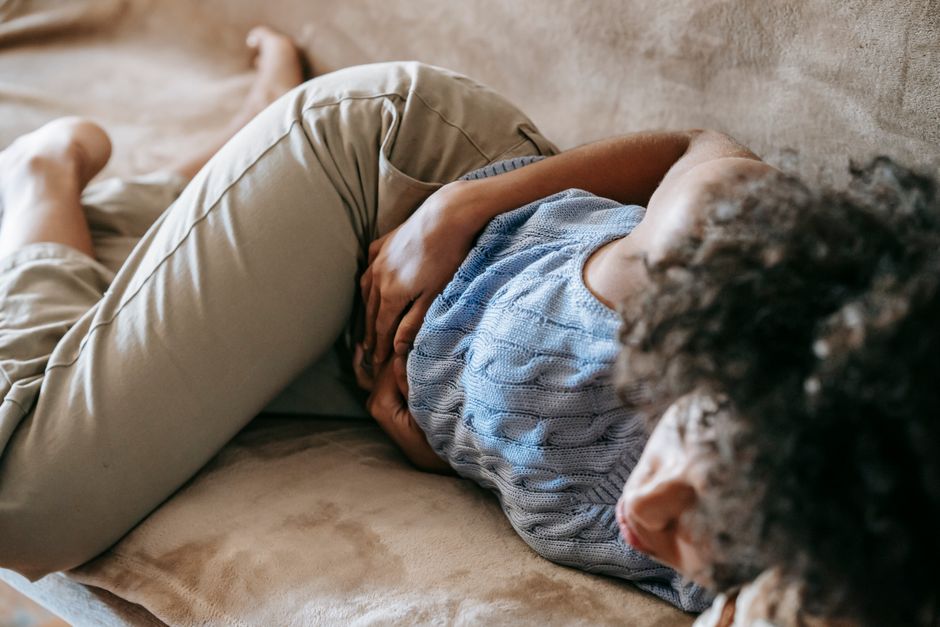
You have period cramps but no period. It is confusing and uncomfortable. The short answer is that your uterus is contracting like it does during a period, but for some reason, the bleeding has not started or is not happening at all. Hormones, pregnancy, ovulation, or a medical condition could be the cause. Let us walk through the real reasons this happens and what the evidence actually says.
What Causes Menstrual Cramps Without Bleeding?
Your uterus is a muscle. When it contracts, you feel cramps. During a normal period, these contractions help shed the uterine lining. But your uterus can cramp for other reasons too.
Ovulation is a common cause. About halfway through your cycle, an egg is released from your ovary. Some women feel a sharp or dull cramp on one side. This is called mittelschmerz. It usually lasts a few hours to a day or two. No bleeding happens unless you also have spotting.
Early pregnancy is another possibility. When a fertilized egg implants into the uterine wall, it can cause mild cramping and light spotting. This happens around 6 to 12 days after ovulation. Many women mistake this for a light period.
Hormonal imbalances can also cause cramps without flow. If your body produces too much prostaglandin — a chemical that makes the uterus contract — you may feel strong cramps even if the lining is not shedding. Conditions like polycystic ovary syndrome (PCOS) or thyroid disorders can disrupt your cycle and leave you with cramps but no period.
Research published in the Journal of Clinical Endocrinology & Metabolism found that women with PCOS often have irregular cycles and cramping without bleeding due to anovulation — meaning no egg is released.
Can Stress Delay Your Period But Not Cramps?
Yes. Stress affects the part of your brain that controls your menstrual cycle. The hypothalamus tells your pituitary gland when to release hormones that trigger ovulation. When you are stressed, this signal can slow down or stop.
Your period may be late by days or weeks. But the cramping can still happen because your body continues to produce prostaglandins even when ovulation is delayed. The result is you feel like your period is coming, but it never arrives.
A study in the journal Fertility and Sterility found that women with high perceived stress were more than twice as likely to have irregular cycles. The cramps came on schedule, but the bleeding did not follow.
This is not a sign of anything dangerous in most cases. Once stress levels drop, your cycle usually returns to normal. If it continues for more than a few months, it is worth discussing with a doctor.
Is It Possible to Be Pregnant and Have Cramps Without a Period?
Yes. This is one of the most common reasons for cramps without a period. Implantation cramping happens when the fertilized egg attaches to the uterine lining. It is usually mild and feels like light pulling or pinching.
Some women also experience round ligament pain in early pregnancy. This feels like a sharp cramp on one side of the lower belly. It is caused by the ligaments stretching to support the growing uterus. No bleeding is involved.
Ectopic pregnancy is a more serious possibility. This happens when a fertilized egg implants outside the uterus, usually in a fallopian tube. Symptoms include sharp one-sided pain, shoulder pain, and light bleeding or spotting. The American College of Obstetricians and Gynecologists reports that ectopic pregnancy occurs in about 1 to 2 percent of all pregnancies. It is a medical emergency. If you have severe pain, dizziness, or shoulder pain, seek care immediately.
If there is any chance you could be pregnant, take a home pregnancy test. They are reliable and inexpensive. If the test is positive and you have pain, see a doctor.




What Medical Conditions Cause Cramps Without a Period?
Several conditions can cause this pattern. Endometriosis is one of the most common. Tissue similar to the uterine lining grows outside the uterus. It can cause severe cramping at any point in your cycle, not just during your period. Many women with endometriosis report pelvic pain without bleeding.
Uterine fibroids are noncancerous growths in the uterus. They can cause cramping, pressure, and pain even when you are not on your period. Some women with fibroids have heavy bleeding, but others have cramps without much flow.
Ovarian cysts can also cause cramping. When a cyst grows large or ruptures, it triggers pain that feels like menstrual cramps. You may or may not have bleeding. Most ovarian cysts are harmless and go away on their own.
Pelvic inflammatory disease (PID) is an infection of the reproductive organs. It can cause cramping, fever, and unusual discharge. PID is often caused by untreated sexually transmitted infections. If you have cramps and a fever, see a doctor.
Cervical stenosis is a condition where the cervical opening is very narrow or closed. Menstrual blood cannot flow out easily. This causes cramping as the uterus tries to push blood through a tight opening. The blood may be trapped inside, leading to a condition called hematometra. This is rare but real.
| Condition | Key Symptoms | How Common |
|---|---|---|
| Endometriosis | Chronic pelvic pain, painful periods, pain with sex | 1 in 10 women |
| Uterine fibroids | Heavy bleeding, pressure, back pain | Up to 80% of women by age 50 |
| Ovarian cysts | Sharp or dull pelvic pain, bloating | Common, usually harmless |
| PID | Cramping, fever, unusual discharge | About 4% of women in the US |
| Cervical stenosis | Cramps without bleeding, painful periods | Rare |
When Should You See a Doctor About Cramps Without a Period?
Most causes of cramps without a period are not emergencies. But some are. Here is when to make an appointment.
See a doctor if:
- The pain is severe or gets worse over time
- You have a fever
- You have unusual vaginal discharge
- You have pain during sex
- You have missed your period for three or more cycles
- You have shoulder pain or dizziness along with cramps
If you are trying to get pregnant and have irregular cycles, it is also worth talking to a doctor. They can check your hormone levels and rule out conditions like PCOS or thyroid disease.
Your doctor may order an ultrasound to look at your uterus and ovaries. Blood tests can check hormone levels. A pregnancy test is standard. Most of the time, the cause is something manageable like stress or ovulation. But never assume. Let the tests confirm.
The CDC recommends that women with pelvic pain lasting more than a few days see a healthcare provider. Delayed diagnosis of conditions like endometriosis or PID can lead to long-term problems including infertility.
What Can You Do at Home for Cramps Without a Period?
If you have ruled out pregnancy and serious conditions, home care can help. Heat therapy works well. A heating pad on your lower belly relaxes the uterine muscles and reduces pain. Research shows it is as effective as ibuprofen for some women.
Over-the-counter pain relievers like ibuprofen or naproxen reduce prostaglandin production. This directly targets the cause of cramping. Take them as directed. Do not exceed the recommended dose.
Gentle movement can also help. Walking, stretching, or yoga improves blood flow to the pelvic area. Some women find that light exercise reduces cramp intensity. Avoid heavy lifting or intense workouts if the pain is sharp.
Hydration and diet matter too. Dehydration can make muscle cramps worse. Drink water throughout the day. Some women report that cutting back on caffeine and salty foods helps reduce bloating and pain.
There is no strong evidence that herbal remedies reliably stop cramps. Some people report relief from ginger tea or chamomile, but clinical studies are limited. The National Center for Complementary and Integrative Health notes that ginger may help with period pain in some studies, but evidence for cramps without bleeding is weak.
If home care does not help after a week or two, follow up with a doctor. Persistent pain needs a proper diagnosis.
Frequently Asked Questions
Can you have period cramps but no period and not be pregnant?
Yes. Ovulation, stress, hormonal imbalances, and conditions like endometriosis or fibroids can all cause cramps without bleeding.
How long can cramps last without a period?
It depends on the cause. Ovulation cramps usually last a day or two. Stress-related cramps can last until your period finally arrives.
Do cramps without a period mean something is wrong?
Not always. It is often normal. But if the pain is severe, lasts more than a few days, or comes with fever or unusual discharge, see a doctor.
Can birth control cause cramps without a period?
Yes. Hormonal birth control can thin the uterine lining so much that you have little or no bleeding, but you may still feel cramping.
