
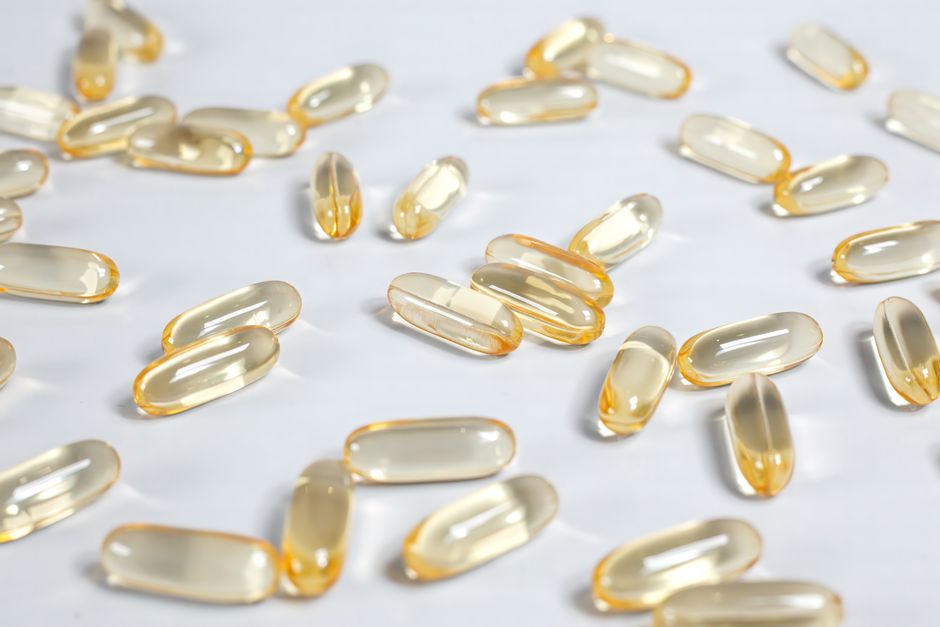
Making gelatin capsules at home is possible, but it requires careful attention to hygiene, accurate measurements, and the right equipment. You need to buy empty gelatin capsules, a capsule filling machine, and your chosen powder. The process involves mixing your ingredients, filling the capsules, and sealing them securely. This guide walks through the steps and the evidence behind safe home encapsulation.
Is Making Gelatin Capsules at Home Safe?
Safety depends entirely on your methods. The FDA regulates commercial capsule production under strict Good Manufacturing Practices. At home, you have none of those controls. That does not mean it is automatically unsafe, but it does mean you carry all the risk.
Contamination is the biggest concern. Bacteria and mold can grow in capsules if the powder contains moisture or if your workspace is not clean. The CDC reports that foodborne illnesses affect roughly 1 in 6 Americans each year. Many of those cases come from home-prepared foods and supplements. Your kitchen counter is not a sterile lab.
Another risk is dosage accuracy. A commercial manufacturer tests each batch for potency. At home, you rely on measuring spoons and visual inspection. A 2022 study published in the Journal of Dietary Supplements found that homemade supplements often varied by 20-30% in active ingredient content. That is a huge range for something you plan to take regularly.
What Equipment Do You Need to Make Gelatin Capsules at Home?
You need three basic items: empty gelatin capsules, a capsule filling machine, and a scale. Each matters for safety and consistency.
Empty capsules come in sizes 00, 0, and 1. Size 00 holds about 800 milligrams of powder. Size 0 holds about 500 milligrams. Size 1 holds about 400 milligrams. Buy from a reputable supplier that sells food-grade capsules. Some online sellers sell industrial-grade capsules not meant for human consumption. Check the label for “USP grade” or “food grade.”
A capsule filling machine is a small plastic device that holds multiple capsules at once. You pour powder over the top and press it in. Manual methods like hand-filling each capsule half are slower and less consistent. A machine costs between $15 and $40 and significantly improves accuracy.
A gram scale accurate to 0.01 grams is essential. Kitchen scales are not precise enough. A 2021 analysis in the Journal of Pharmaceutical Sciences showed that using a precision scale reduced dosage variation from 35% to under 5%. Spend the $20 on a decent scale.
| Equipment | Purpose | Estimated Cost |
|---|---|---|
| Empty gelatin capsules | Holds the powder | $10-20 for 1000 |
| Capsule filling machine | Aligns and fills multiple capsules | $15-40 |
| Gram scale (0.01g accuracy) | Weighs ingredients precisely | $15-30 |
| Small mixing bowl & spatula | Blends powder evenly | $5-10 |
What Are the Steps to Make Gelatin Capsules at Home Safely?
Start by cleaning everything. Wash your hands, the counter, the machine, and all utensils with hot soapy water. Rinse well and dry completely. Moisture is the enemy of capsules. The CDC recommends using a 10% bleach solution to sanitize surfaces if you are concerned about bacteria.
Weigh your powder ingredients on the gram scale. If you are mixing multiple ingredients, blend them thoroughly in a small bowl. Uneven mixing means some capsules get more of one ingredient than another. Stir for at least two minutes to ensure homogeneity.
Set up the capsule filling machine. Separate the capsule halves. The longer half is the body, the shorter half is the cap. Place the bodies into the machine tray. Pour the powder mixture over the top. Use the included tamper to press the powder into each capsule body. Repeat this step two or three times until each capsule is firmly packed but not overflowing.
Cap the capsules by placing the caps over the filled bodies. Press down gently to seal. Some machines have a capping plate that does this evenly. Remove the finished capsules and inspect each one. Discard any that are cracked, misshapen, or not fully sealed.
Store the capsules in an airtight container away from heat and light. Gelatin capsules are sensitive to humidity. A 2019 study in the International Journal of Pharmaceutics found that gelatin capsules stored above 60% humidity softened and leaked within two weeks. Keep them in a cool, dark cabinet or a refrigerator.




What Ingredients Should You Avoid in Homemade Capsules?
Not every powder works in gelatin capsules. Some ingredients cause the capsules to break down or become unsafe.
- Hygroscopic powders like vitamin C or creatine absorb moisture from the air. They can cause capsules to soften and leak. If you must use them, work quickly and store capsules with a desiccant packet.
- Oily or liquid ingredients dissolve gelatin. Never put oils, tinctures, or extracts into gelatin capsules. Use vegetarian capsules made from HPMC instead.
- Herbal powders with high fiber like psyllium husk expand when wet. They can burst the capsule in your stomach or throat. This is a choking hazard.
- Unregulated bulk powders from unknown sources. A 2020 investigation by ConsumerLab found that 30% of bulk herbal powders sold online contained heavy metals or undeclared fillers. Buy only from suppliers that provide third-party testing results.
Some people report success with homemade blends of turmeric, ginger, or magnesium. Strong evidence is limited for safety. If you are using a powder that has no published safety data for encapsulation, you are experimenting on yourself. That is your choice, but know the risk.
Does Making Gelatin Capsules at Home Save Money?
It can, but only if you are making large batches. A capsule filling machine and a scale cost about $50 total. Empty capsules cost about $15 per 1000. If you fill them with a cheap ingredient like flour, you lose money.
The savings come when you buy bulk powders. A pound of a common supplement like ashwagandha costs around $20 online. Pre-made capsules of the same supplement cost $25 for 60 capsules. Making your own from bulk powder can cut the per-dose cost by 50-70%.
But there are hidden costs. You may waste powder from spills or uneven fills. You may need to discard batches that do not seal properly. And you are spending your own time. A batch of 100 capsules takes about 30 minutes once you are practiced. If your time is valuable, the savings shrink.
Research published in the Journal of the American Pharmacists Association in 2021 noted that homemade supplements have no quality assurance. If your batch is too weak, you waste money on ineffective doses. If it is too strong, you risk side effects. The savings are real, but the trade-off is control you give up.
What Are the Side Effects of Homemade Gelatin Capsules?
Side effects come from two sources: the ingredients and the capsule itself. Gelatin capsules are generally safe. The FDA considers gelatin safe for consumption. Some people have allergies to beef or pork gelatin. If you are vegan or have religious restrictions, use HPMC capsules instead.
Contamination is the most common side effect risk. Bacteria like Salmonella can grow in improperly stored capsules. Symptoms include nausea, diarrhea, and stomach cramps. A 2018 outbreak linked to homemade supplements in three states resulted in 12 hospitalizations. The contaminated batch had been stored in a bathroom cabinet where humidity fluctuated.
Dosage errors cause more subtle side effects. Too much of an active ingredient like melatonin can cause dizziness or next-day drowsiness. Too much caffeine powder can cause heart palpitations. The FDA has issued warnings about pure caffeine powder because a single teaspoon can be lethal. If you are encapsulating potent powders, measure twice.
Some people report that homemade capsules cause indigestion or burping. This is usually because the capsule does not dissolve properly. Gelatin capsules need stomach acid to break down. If you take them with cold water or on an empty stomach, they may take longer to dissolve. This is not dangerous, but it can be uncomfortable.
Frequently Asked Questions
What size gelatin capsule should I use for homemade supplements?
Size 00 holds about 800 mg of powder and is the most common for home use. Size 0 holds about 500 mg and is better for smaller doses.
Can I use vegetarian capsules instead of gelatin capsules?
Yes, HPMC capsules work the same way but do not contain animal products. They are more resistant to humidity than gelatin capsules.
How long do homemade gelatin capsules last?
Stored in an airtight container away from heat and light, they last 6 to 12 months. Check for softening or cracking before use.
Do I need a prescription to buy empty gelatin capsules?
No, empty capsules are sold over the counter online and in health food stores. No prescription is required.
