
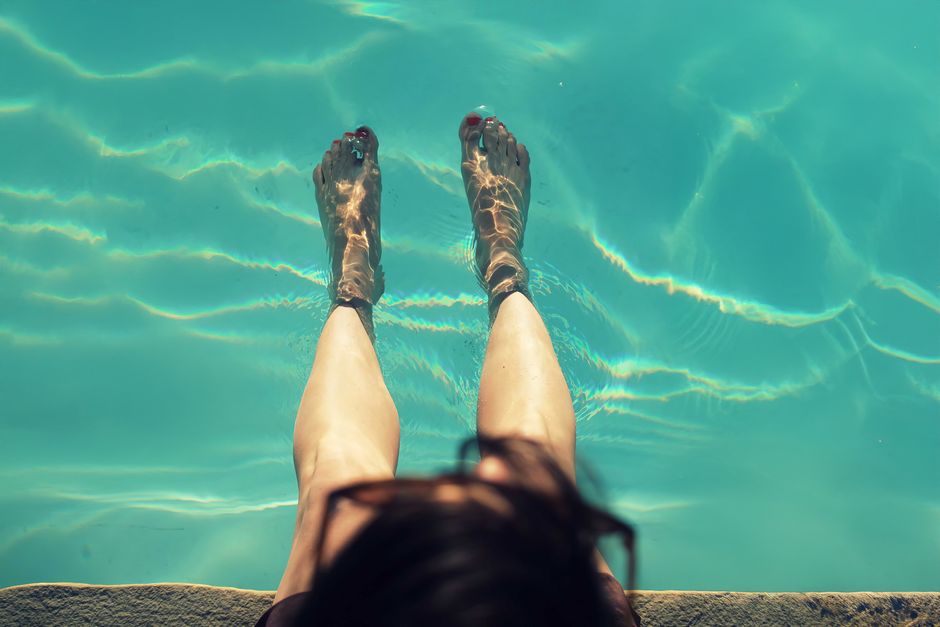
Swollen feet can be uncomfortable and worrying. The fastest way to reduce swelling is to elevate your feet above heart level, wear compression socks, move regularly, and apply cool water. If your feet swell suddenly or with chest pain or shortness of breath, seek medical help immediately.
What Causes Swollen Feet?
Swelling in the feet, also called edema, happens when extra fluid builds up in the tissues. Gravity pulls fluid down when you sit or stand for long periods. Heat expands blood vessels and makes fluid leak out. Pregnancy, certain medications, and high salt intake can also cause fluid retention.
Underlying medical conditions are a common cause. Venous insufficiency means the valves in your leg veins do not work well, and blood pools in the lower legs. Lymphedema occurs when the lymphatic system cannot drain fluid properly. Heart failure, kidney disease, and liver disease can all lead to fluid buildup because the body is less able to remove excess fluid.
Knowing the cause helps you choose the right treatment. If swelling is mild and goes away with simple steps, it is usually not serious. But if it persists or comes with other symptoms, a medical evaluation is important.
How To Make Swollen Feet Go Down Fast
To reduce swelling quickly, combine several proven methods. Elevate your feet above your heart for 15 to 30 minutes. Lie down and prop your feet on pillows or a padded stool. Gravity helps fluid drain back toward the upper body.
Wear compression socks or stockings. They apply gentle pressure that pushes fluid out of the tissues. For mild swelling, a compression level of 15–20 mmHg is often recommended. Make sure the socks fit properly and are not too tight around the top edge.
Move your legs and feet. Walking activates the calf muscle pump, which pushes blood and lymph upward. Even ankle pumps while sitting can help. Avoid standing still or sitting for more than an hour at a time.
Apply cool water. Soaking your feet in cool (not ice‑cold) water for 10 to 15 minutes causes blood vessels to narrow and reduces fluid leakage. Do not use hot water, as it can worsen swelling.
Is Elevation the Most Effective Method?
Elevation is one of the simplest and most reliable ways to reduce foot swelling. Research consistently shows that raising the feet above the level of the heart allows gravity to help move fluid out of the lower extremities. This works best for swelling caused by prolonged sitting or standing, pregnancy, or mild venous insufficiency.
For best results, elevate for 15 to 30 minutes at a time, several times a day. Use enough pillows so that the feet are clearly higher than the hips. Elevation alone may not be enough if swelling is due to heart failure, kidney disease, or lymphedema. In those cases, treating the underlying condition is essential.


Can Compression Socks Help?
Compression socks can be very effective for swollen feet, especially when the cause is venous insufficiency or prolonged periods of sitting or standing. They work by applying graduated pressure that is highest at the ankle and gradually lessens up the leg. This helps push fluid upward and prevents it from pooling.
Most people with mild swelling do well with a compression level of 15–20 mmHg. Higher levels require a doctor’s prescription. Do not wear compression socks if you have peripheral artery disease (narrowed leg arteries) or neuropathy that makes it hard to feel if they are too tight. A doctor or a certified fitter can help choose the right size and pressure.
Compression socks provide relief while you wear them, but they do not cure the underlying cause. Combine them with elevation and movement for the best results.
When Should You See a Doctor?
Mild swelling that goes down with home care is usually not a concern. But see a doctor if the swelling is sudden, happens in only one leg, or is accompanied by chest pain, shortness of breath, fever, or skin that looks red or feels warm to the touch. One‑sided swelling can signal a deep vein thrombosis (a blood clot). Swelling with breathing trouble can be a sign of heart failure.
Also seek medical advice if swelling does not improve after a few days of consistent elevation, compression, and movement, or if the skin becomes tight, shiny, or starts to ooze fluid. A doctor can run tests to find the cause and recommend the right treatment.
What Lifestyle Changes Prevent Swelling?
Preventing foot swelling often involves simple daily habits. Move your legs regularly. If you have a desk job, stand up and walk every hour. On long flights or car trips, stand and walk when it is safe, and flex your ankles often.
Cut back on salty foods. High sodium causes your body to hold onto water. Read food labels and limit processed snacks, canned soups, and fast food. Stay well hydrated by drinking water throughout the day.
Wear compression socks on long trips or during prolonged standing. Keep your legs elevated when you rest. Regular exercise, such as walking or swimming, improves circulation and helps prevent fluid buildup.
If you have a medical condition like venous insufficiency or lymphedema, follow your doctor’s plan. This may include wearing compression garments daily, performing specific exercises, and managing your weight.
Does Diet Affect Swollen Feet?
Yes, what you eat can influence fluid balance. A diet high in sodium is a common trigger for fluid retention. Reducing salt intake can help prevent swelling, especially in people with high blood pressure or kidney issues. Potassium‑rich foods such as bananas, oranges, avocados, and spinach help balance sodium levels in the body.
Some people notice that eating a lot of carbohydrates leads to temporary swelling because carbs cause the body to store extra glycogen, which holds water. This effect is usually mild. No single food causes or cures swelling on its own. If diet changes do not help, the cause is likely something else, and you should talk to a doctor.
Frequently Asked Questions
How long does it take for swollen feet to go down?
With elevation and compression, swelling often starts to improve within 20 to 30 minutes and may go down noticeably within a few hours. Chronic swelling from an underlying condition may take longer to resolve.
What is the fastest way to reduce swelling in feet?
Elevate your feet above your heart, apply a properly fitted compression sock, and soak them in cool water for 10 to 15 minutes. Moving your ankles and walking also help speed fluid drainage.
Can walking help swollen feet?
Yes, walking activates the calf muscle pump, which pushes blood and lymph fluid out of the lower legs. Gentle walking is helpful as long as it is not painful or worsening the swelling.
When should I worry about swollen feet?
Worry if swelling is sudden, affects only one leg, or comes with chest pain, shortness of breath, fever, or red, warm skin. These can be signs of a blood clot, infection, or heart problem requiring immediate medical care.
