
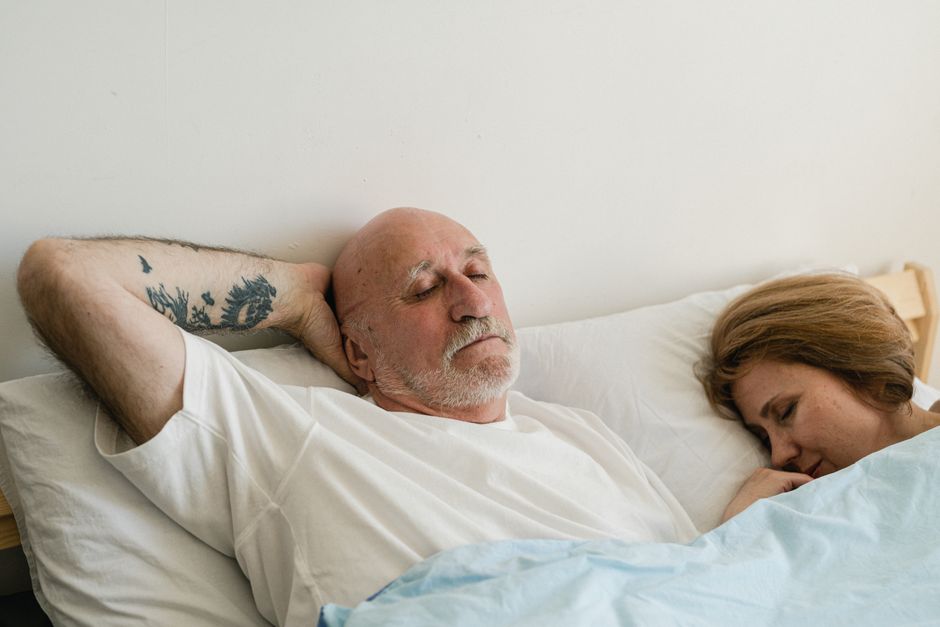
Sleeping with elbow pain can feel impossible. Every position seems to put pressure on the joint or pull on the tendons. The direct answer is that you need to immobilize the elbow in a neutral position, support the arm with pillows to prevent rolling onto it, and use a brace if your doctor recommends one. Most people find the most relief sleeping on their back with the affected arm supported by a pillow at their side, or on their opposite side with the painful elbow cradled in front of them on a pillow.
What Causes Elbow Pain That Gets Worse at Night?
Nighttime elbow pain usually comes from one of two things: tendon inflammation or nerve compression. The most common cause is lateral epicondylitis, known as tennis elbow. The tendons on the outside of the elbow become irritated from repetitive use. When you sleep, your arm rests in a bent position for hours. This shortens the tendons and muscles. When you wake up and straighten your arm, the sudden stretch pulls on the inflamed tissue. That is the sharp pain you feel in the morning.
The second common cause is cubital tunnel syndrome. This is when the ulnar nerve — the “funny bone” nerve — gets compressed at the elbow. Sleeping with your elbow bent more than 90 degrees for long periods traps the nerve. You might wake up with numbness in your ring and pinky fingers. Some people also have olecranon bursitis, which is inflammation of the fluid sac at the tip of the elbow. This makes it painful to rest the elbow on any hard surface.
Research published in the Journal of Shoulder and Elbow Surgery found that over 60 percent of people with tennis elbow report sleep disruption as a primary complaint. The pain is not just from the injury itself. It is often worsened by the sleeping position you choose without thinking about it.
What Is the Best Sleeping Position for Elbow Pain?
The safest position is sleeping on your back. Place a pillow under your affected arm from the elbow down to the hand. The arm should rest with the palm facing up. This keeps the elbow slightly bent — about 30 to 45 degrees — and takes all weight off the joint. It also prevents you from unconsciously bending the elbow tighter during the night.
If you must sleep on your side, sleep on the unaffected side. Place a firm pillow in front of your chest. Rest your painful arm on that pillow with the elbow bent at a comfortable angle. This keeps the arm elevated and supported. Never tuck the painful arm under your pillow or under your body. That forces the elbow into extreme angles and compresses the nerve.
Stomach sleeping is the worst position for elbow pain. It forces your arms above your head or tucked under the pillow. Both positions strain the tendons and compress the ulnar nerve. If you are a stomach sleeper, train yourself to switch to your back or side. It takes about three weeks to break a sleeping position habit. Start with extra pillows as physical barriers to stop you from rolling onto your stomach.
| Sleeping Position | Effect on Elbow Pain | Best Support Method |
|---|---|---|
| Back sleeping | Best. Neutral position, no pressure | Pillow under entire forearm, palm up |
| Side sleeping (unaffected side) | Good. Arm supported and elevated | Firm pillow in front of chest under painful arm |
| Side sleeping (painful side) | Poor. Compresses joint and nerve | Avoid. Use body pillow as barrier |
| Stomach sleeping | Worst. Strains tendons, compresses nerve | Avoid. Train to back or side sleep |
How To Sleep With Elbow Pain Using Braces and Splints
A night splint is one of the most effective tools for elbow pain during sleep. These are different from daytime braces. Daytime tennis elbow straps go below the elbow to change the angle of tendon pull. Night splints hold the elbow at a specific angle — usually around 45 degrees of bend — and prevent you from fully straightening or fully bending the arm during sleep.
The American Academy of Orthopaedic Surgeons recommends night splinting for cubital tunnel syndrome as a first-line treatment. A study in the Journal of Hand Surgery found that patients who used a night splint for three months had a 70 percent reduction in nighttime symptoms. The key is consistency. The splint must be worn every night, not just on bad nights.
You can buy a prefabricated elbow splint at most pharmacies. A simpler option is a long sock with the toe cut off. Slide it up your arm and safety pin it to your sleeve at the desired bend angle. This works but is less comfortable. If you have a brace for daytime use, do not wear it to sleep unless your doctor specifically says to. Daytime braces are often too tight for prolonged use and can restrict blood flow during the eight hours you are asleep.





What Pillows and Bedding Changes Actually Help?
Pillow choice matters more than most people realize. A body pillow is the single best investment for elbow pain at night. It allows you to maintain a side-sleeping position without rolling onto the painful arm. Wrap your body around the pillow. Drape the painful arm over the top of the pillow. This keeps the elbow in a neutral position with no weight on it.
Memory foam pillows offer some benefit because they conform to the arm and reduce pressure points. But a standard feather or polyester pillow works just as well if you fold it to the right thickness. The goal is to keep the arm at heart level or slightly above. If the arm hangs below heart level, blood pools in the joint and increases inflammation overnight.
Some people find relief by placing a small rolled towel under the elbow itself. This creates a slight elevation that takes tension off the tendons. Do not put the towel under the wrist or hand. That hyperextends the elbow and increases strain on the joint. The support must be under the forearm from the elbow to the wrist, not just under one point.
Common Misconceptions About Sleeping With Elbow Pain
A widespread myth is that you should sleep with the arm completely straight. People believe this stretches the tendons and reduces inflammation. The opposite is true. Sleeping with the arm fully locked straight puts constant tension on the inflamed tendons. It also stretches the ulnar nerve. Most orthopedic guidelines recommend a slight bend of 30 to 45 degrees.
Another common belief is that ice before bed helps you sleep better. Ice reduces acute inflammation, which is helpful after activity. But applying ice right before sleep can increase joint stiffness during the night. The cold reduces blood flow temporarily. As your body warms the area back up overnight, the blood rush can actually increase morning stiffness. If you use ice, do it at least two hours before bed. Use heat in the 30 minutes before sleep to relax the muscles around the elbow.
Some people report that sleeping with a compression sleeve on helps. There is no strong clinical evidence for this. Compression sleeves may provide a feeling of support that helps some people relax. But if the sleeve is too tight, it can worsen nerve compression. If you try a sleeve, make sure you can slide two fingers under it easily. If you cannot, it is too tight for overnight use.
When Elbow Pain During Sleep Needs Medical Attention
Most elbow pain improves with position changes and conservative care within two weeks. But some symptoms require a doctor visit. If you wake up with numbness or tingling in your hand that lasts more than 30 minutes after getting out of bed, see a healthcare provider. This suggests nerve compression that may need more than just position changes.
Red flags include elbow pain that wakes you up at the same time every night, pain that does not change when you adjust your position, or pain accompanied by fever or redness. These could indicate infection, gout, or inflammatory arthritis. The CDC reports that septic arthritis of the elbow is rare but requires immediate treatment to prevent joint damage.
If over-the-counter anti-inflammatory medications do not help after five to seven days, that is another sign you need professional evaluation. Your doctor may recommend physical therapy, prescription anti-inflammatories, or a cortisone injection. Surgery is rarely needed for nighttime elbow pain. Less than 5 percent of cases require surgical intervention, according to data from the American Academy of Orthopaedic Surgeons.
Practical Nighttime Routine Changes That Help
What you do in the hour before bed affects your elbow pain more than most people realize. Stop any repetitive arm movements at least two hours before sleep. This includes typing, scrolling on your phone, lifting weights, or cooking. The tendons need time to settle before you lie down.
Gentle stretching before bed can help. Straighten your arm fully. Use your other hand to gently pull your fingers back toward your body. Hold for 15 seconds. Do not bounce or force the stretch. If it hurts, stop. The goal is to relax the muscles, not to stretch the inflamed tendon itself. A study in the Clinical Journal of Sport Medicine found that pre-sleep stretching reduced nighttime pain scores by 30 percent in people with tennis elbow.
Adjust your mattress firmness if possible. A mattress that is too soft allows your shoulder to roll inward during sleep. This pulls on the elbow joint. A medium-firm mattress keeps the spine and shoulders aligned. If you cannot change the mattress, place a firm pillow under the shoulder on your painful side to prevent rolling.
Frequently Asked Questions
Should I sleep with my elbow bent or straight?
Sleep with your elbow slightly bent at about 30 to 45 degrees. Fully straight or fully bent positions both increase pain and nerve compression.
Can I use a regular arm sling to sleep?
No. Regular slings keep the elbow bent too tightly and can worsen nerve symptoms. Use a night splint designed for sleep instead.
How long does nighttime elbow pain usually last?
With proper positioning and support, most people see improvement within one to two weeks. If pain lasts longer than three weeks, see a doctor.
Is it safe to take pain relievers every night for elbow pain?
Occasional use is fine, but nightly use of ibuprofen or acetaminophen for more than two weeks should be discussed with your doctor due to liver and kidney risks.
