
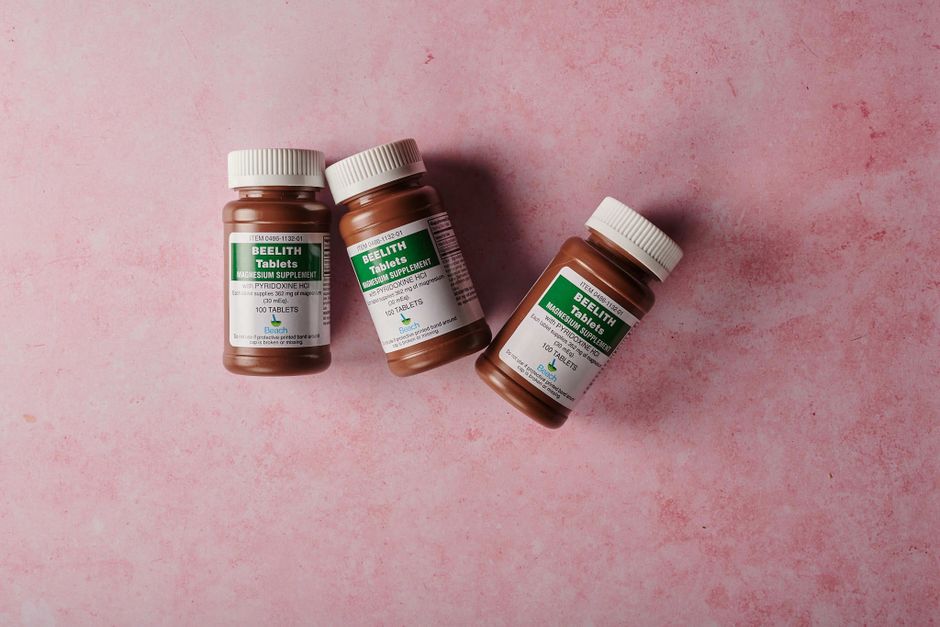
If you are looking for foods high in magnesium, the short answer is dark leafy greens, nuts, seeds, beans, and whole grains. Pumpkin seeds, almonds, spinach, and black beans are some of the richest sources. Magnesium is a mineral your body needs for over 300 chemical reactions, including muscle function, nerve signaling, and keeping a steady heartbeat. This guide covers what foods are highest in magnesium, how much you actually need, and what the research really says about supplements.
What Is High In Magnesium? The Top Food Sources Ranked
Some foods are naturally packed with magnesium. Pumpkin seeds lead the list. One ounce of roasted pumpkin seeds gives you about 150 milligrams of magnesium. That is roughly 37% of the daily value for most adults.
Other top sources include almonds, cashews, and peanuts. A one-ounce serving of almonds provides about 80 milligrams. Spinach is another standout. One cup of cooked spinach has around 157 milligrams. Black beans, edamame, and lima beans all deliver solid amounts too.
Whole grains like quinoa, brown rice, and oats contain magnesium. A cup of cooked quinoa offers about 60 milligrams. Dark chocolate with at least 70% cocoa is also a good source. One ounce provides roughly 64 milligrams. The table below compares common high-magnesium foods.
| Food | Serving Size | Magnesium (mg) | % Daily Value |
|---|---|---|---|
| Pumpkin seeds | 1 ounce | 150 | 37% |
| Cooked spinach | 1 cup | 157 | 39% |
| Almonds | 1 ounce | 80 | 20% |
| Black beans | 1 cup cooked | 120 | 30% |
| Dark chocolate (70-85%) | 1 ounce | 64 | 16% |
| Quinoa | 1 cup cooked | 60 | 15% |
How Much Magnesium Do You Actually Need Each Day?
The amount depends on your age and sex. The National Institutes of Health sets the recommended dietary allowance. For adult men aged 19 to 30, it is 400 milligrams per day. For men over 30, it is 420 milligrams. For women aged 19 to 30, it is 310 milligrams. For women over 30, it is 320 milligrams. Pregnant women need slightly more, around 350 to 360 milligrams.
Most Americans do not meet these numbers. Research from the USDA shows that many adults get less than 300 milligrams daily from food alone. That does not mean everyone is deficient. But it does mean many people could benefit from eating more high-magnesium foods.
Your body absorbs magnesium best from food. Supplements can help, but they are not a replacement for a balanced diet. The kidneys regulate magnesium levels tightly. If you get too much from supplements, your body usually flushes the excess out through urine.
What Does Research Show About Magnesium and Health?
Studies have found that adequate magnesium intake supports several key areas of health. The strongest evidence is for blood pressure regulation. A 2016 meta-analysis in the journal Hypertension found that magnesium supplementation lowered systolic blood pressure by about 2-4 mmHg in people with hypertension. The effect was small but real.
Research also links magnesium to better blood sugar control. A 2017 review in World Journal of Diabetes reported that people with higher magnesium intake had a lower risk of developing type 2 diabetes. The mineral helps insulin work more effectively. Some studies suggest magnesium may reduce migraine frequency. The American Migraine Foundation notes that magnesium oxide supplements can help prevent migraines in some people.
Evidence for magnesium improving sleep or reducing anxiety is weaker. Some people report better sleep after taking magnesium. But large clinical trials have not confirmed this consistently. If you struggle with sleep, improving your magnesium intake is worth trying but it is not a guaranteed fix.





What Are the Signs of Low Magnesium?
Low magnesium is called hypomagnesemia. Early signs are subtle and easy to miss. You might feel tired, weak, or lose your appetite. Muscle cramps and twitches are common. Some people experience numbness or tingling in their hands and feet.
Severe deficiency is rare in healthy people. It usually happens with certain medical conditions. People with Crohn disease, celiac disease, or type 2 diabetes are at higher risk. Long-term use of proton pump inhibitors for heartburn can also lower magnesium levels. Alcoholism is another major cause of deficiency.
A blood test can check your magnesium level. Normal range is about 1.7 to 2.2 milligrams per deciliter. But blood tests only measure a small fraction of your body’s total magnesium. Most magnesium is stored in bones and cells. A normal blood level does not always mean your body has enough stored.
Should You Take a Magnesium Supplement?
If you cannot get enough from food, a supplement may help. But not all supplements are the same. Magnesium comes in different forms. Magnesium citrate is well absorbed and commonly used for constipation. Magnesium glycinate is gentler on the stomach and may be better for long-term use. Magnesium oxide is cheap but poorly absorbed by the body.
The National Institutes of Health advises that supplements should not exceed 350 milligrams of elemental magnesium per day from non-food sources. Higher doses can cause diarrhea, cramping, and nausea. This is the most common side effect of magnesium supplements.
Some people take magnesium for specific conditions. Research supports magnesium citrate for constipation. Magnesium glycinate is often recommended for people who want to avoid digestive upset. Magnesium threonate is a newer form that some claim reaches the brain better, but evidence is still limited. As of 2026, there is no clinical evidence that one form is clearly superior for general health.
Common Misconceptions About High-Magnesium Foods
A common myth is that bananas are the best source of magnesium. They are not. A medium banana has about 32 milligrams. That is only 8% of your daily needs. Bananas are fine, but pumpkin seeds or spinach provide five times more magnesium per serving.
Another myth is that soaking or cooking destroys magnesium. The mineral is stable during cooking. Boiling vegetables can cause some magnesium to leach into the water. If you drain the water, you lose some. Steaming or roasting preserves more. But even boiled spinach still contains a significant amount.
Some people believe magnesium supplements cure everything from anxiety to heart disease. This is widely claimed though strong evidence is limited. Magnesium is essential, but it is not a miracle mineral. It works alongside other nutrients. A balanced diet with adequate calcium, potassium, and vitamin D matters just as much.
What to Avoid When Increasing Your Magnesium
Do not take magnesium supplements without checking with a doctor if you have kidney disease. Damaged kidneys cannot remove excess magnesium well. This can lead to dangerously high levels in the blood.
Avoid taking magnesium at the same time as certain medications. Antibiotics and thyroid medications can bind with magnesium and become less effective. Space them out by at least two hours. Diuretics and some heart medications can also interact with magnesium.
Do not rely on fortified foods as your main source. Many breakfast cereals and energy bars have added magnesium. But the form used in fortification is often magnesium oxide, which is poorly absorbed. Whole food sources are more reliable.
Frequently Asked Questions
What food has the highest magnesium per serving?
Pumpkin seeds have the highest magnesium content per serving, with about 150 milligrams per ounce.
Can you get too much magnesium from food?
It is very difficult to get too much magnesium from food alone because your kidneys remove excess amounts.
Is magnesium better from food or supplements?
Food is better because your body absorbs magnesium more efficiently from whole foods and gets other nutrients at the same time.
How long does it take to raise magnesium levels?
With consistent dietary changes, blood magnesium levels can improve within a few weeks, but bone stores take months to replenish.
