
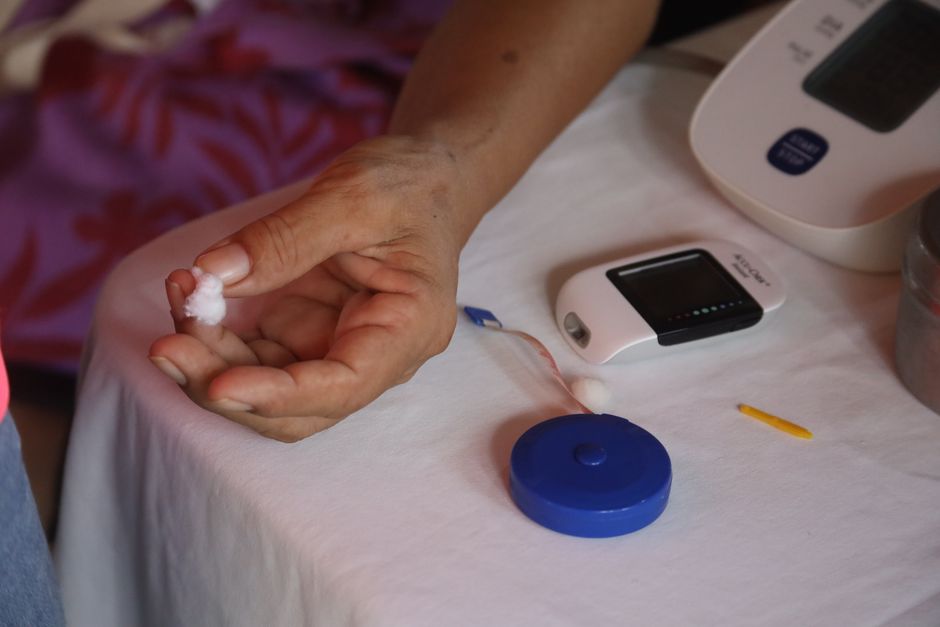
A PPD test checks if you have been exposed to the bacteria that causes tuberculosis. It is also called a Mantoux tuberculin skin test. A small amount of purified protein derivative is injected just under the top layer of your skin. You must return to a healthcare provider 48 to 72 hours later to have the injection site read. The test works by measuring your immune system’s reaction to the protein. A raised, hard area at the site means your body has encountered TB bacteria before. This test does not tell you if you have active TB disease. It only tells you if you have been infected at some point. Further testing is always needed to check for active disease.
How Is the PPD Test Actually Administered?
The PPD test requires a specific injection technique. The CDC and the American Thoracic Society have clear guidelines on how to do it correctly. The injection must go into the forearm, about 2 to 4 inches below the elbow. The area should be free of rashes, cuts, or tattoos.
The person giving the test uses a small needle called a tuberculin syringe. The needle is inserted at a 5 to 15 degree angle. The goal is to inject the fluid just under the top layer of skin, not into the muscle. A correct injection creates a small, pale bump at the site. This bump is called a wheal. It should be 6 to 10 millimeters wide. If no wheal forms, the injection was too deep and the test is invalid. A new test must be given at a different site.
The person administering the test should wear gloves. They should clean the injection site with alcohol and let it dry completely before injecting. The alcohol can affect the test if it is still wet. The syringe should be disposed of immediately in a sharps container.
How Do You Read a PPD Test Result?
Reading the test is not about redness. Many people think redness means a positive result. That is wrong. The measurement is based on a hard, raised area called induration. You must feel for this hardness with your fingers. Then measure the width of the hard area across the forearm. Do not measure the red area around it.
The measurement must be done 48 to 72 hours after the injection. If you come back too early or too late, the result is not reliable. The healthcare provider uses a small ruler to measure the induration in millimeters. The result is always recorded as the number of millimeters of induration. It is not recorded as “positive” or “negative” without the number.
The interpretation depends on several factors. A 5 mm induration is considered positive for people with HIV, organ transplants, or recent close contact with someone who has active TB. A 10 mm induration is positive for people who recently arrived from countries with high TB rates, people who inject drugs, healthcare workers, and people with certain medical conditions. A 15 mm induration is positive for people with no known risk factors.
What Mistakes Make a PPD Test Invalid?
Several common errors can ruin the test. The most frequent mistake is injecting too deep. If the fluid goes into the muscle, no wheal forms and the test is worthless. Another mistake is injecting air along with the fluid. This can create a false bump that looks like a wheal but is not. The person reading the test later will get a wrong measurement.
Timing errors are also common. Reading the test before 48 hours can miss a reaction that has not fully developed. Reading it after 72 hours can miss a reaction that has already faded. Some people rub or scratch the injection site. This can cause swelling that looks like a positive reaction but is actually irritation. The site should be left alone. It can be covered with a loose bandage if needed, but tight sleeves or watches should stay off the area.
Using the wrong syringe or needle can also cause problems. A standard insulin syringe is not the same as a tuberculin syringe. The needle gauge and volume markings are different. Only a tuberculin syringe should be used for PPD testing.



What Does Research on PPD Testing Show?
Research published in the American Journal of Respiratory and Critical Care Medicine has confirmed that the PPD test has limitations. It produces false positives in people who have received the BCG vaccine. The BCG vaccine is given in many countries to prevent severe TB in children. It makes the immune system react to the PPD protein even without TB infection. This means people from countries with routine BCG vaccination may have positive tests that do not reflect real infection.
Studies have also found that the PPD test has lower accuracy in people with weakened immune systems. The test relies on a functioning immune response. People with HIV, cancer, or those taking immunosuppressive drugs may not produce a visible reaction even if they are infected. This is called anergy. The CDC recommends using a TB blood test instead of the PPD test for these patients. Blood tests like the QuantiFERON-TB Gold do not have this limitation.
A 2019 review in Chest journal found that the PPD test correctly identifies about 80% of people with TB infection. This means it misses about 20% of cases. The test is not perfect, but it remains widely used because it is inexpensive and does not require laboratory equipment.
What Are the Side Effects of the PPD Test?
Side effects are rare but they happen. The most common reaction is itching at the injection site. Some people develop a small blister or ulcer where the needle went in. This usually heals on its own without treatment. Very rarely, a person can have a severe allergic reaction to the protein. This would cause hives, difficulty breathing, or swelling of the face and throat. Emergency medical help should be sought immediately if this occurs.
Some people develop a large reaction that is painful. If the induration is more than 20 millimeters, it can be uncomfortable. Cold compresses can help. Over-the-counter pain relievers like ibuprofen can reduce discomfort. Do not put creams or ointments on the site. They can interfere with reading the test.
There is no risk of getting TB from the PPD test. The protein used in the test is not live bacteria. It cannot cause infection. This is a common misconception that causes unnecessary worry.
How Does the PPD Test Compare to TB Blood Tests?
Both tests check for TB infection, but they work differently. The PPD test measures a skin reaction. Blood tests measure the immune system’s release of interferon-gamma when exposed to TB proteins. Blood tests require only one visit. The PPD test requires two visits.
| Feature | PPD Skin Test | TB Blood Test |
|---|---|---|
| Number of visits | Two | One |
| Time to result | 48-72 hours | 24 hours |
| False positive from BCG vaccine | Yes | No |
| False negative in immunosuppressed people | More likely | Less likely |
| Cost | Lower | Higher |
| Requires trained reader | Yes | No |
Blood tests are becoming more common in the United States. The CDC updated its guidelines in 2019 to recommend blood tests for most people who need TB screening. However, the PPD test is still used in many settings because it is cheaper and does not need laboratory processing. Some people report that blood tests are more convenient because they avoid the second visit. Others prefer the skin test because it is less invasive.
What Should You Do If Your PPD Test Is Positive?
A positive PPD test does not mean you have active TB disease. It means you have been infected with TB bacteria at some point in your life. Most people with TB infection have no symptoms and cannot spread the bacteria to others. This is called latent TB infection. About 5 to 10% of people with latent TB will develop active TB disease at some point in their lives. This is why treatment is recommended.
The next step after a positive PPD test is a chest X-ray. The X-ray checks for signs of active TB in the lungs. If the X-ray is normal, you likely have latent TB. Your doctor will talk to you about treatment options. Treatment usually involves taking one or two medications for 3 to 9 months. This prevents the infection from becoming active later.
If the chest X-ray shows abnormalities, more tests are needed. Sputum samples are collected and tested for live TB bacteria. A positive sputum test confirms active TB disease. This requires a different treatment plan with multiple medications for 6 to 9 months. Active TB is contagious and requires isolation until treatment reduces the bacterial load.
Common Misconceptions About the PPD Test
Many people believe that if the test site is red, they are positive. Redness alone is not a positive result. Only the hard, raised area matters. Some people also think that a positive test means they have TB and can spread it. This is incorrect. Only active TB disease is contagious. Latent TB infection is not contagious at all.
Another myth is that you cannot take the test more than once. You can. The PPD test can be repeated yearly for people at ongoing risk, like healthcare workers. The body does not build up a reaction that makes future tests unreliable. Some people think that showering or washing the arm affects the test. It does not. Water does not wash away the reaction. You can bathe normally after the test.
A dangerous misconception is that you can read the test yourself. You cannot. The measurement requires training to find the induration by touch. Patients often measure redness instead of hardness. This leads to false readings. Always return to a trained professional for the reading.
Frequently Asked Questions
Can I drink alcohol before or after a PPD test?
Alcohol does not affect the PPD test result. You can drink normally before and after the test.
What happens if I do not return within 72 hours for the reading?
The test is considered invalid if read after 72 hours. You will need to schedule a new test at a different site.
Can I take antihistamines before the PPD test?
Antihistamines do not prevent a positive reaction. You can take them as needed for allergies.
Is the PPD test safe during pregnancy?
Yes, the PPD test is considered safe during pregnancy. The protein used does not harm the developing baby.
