
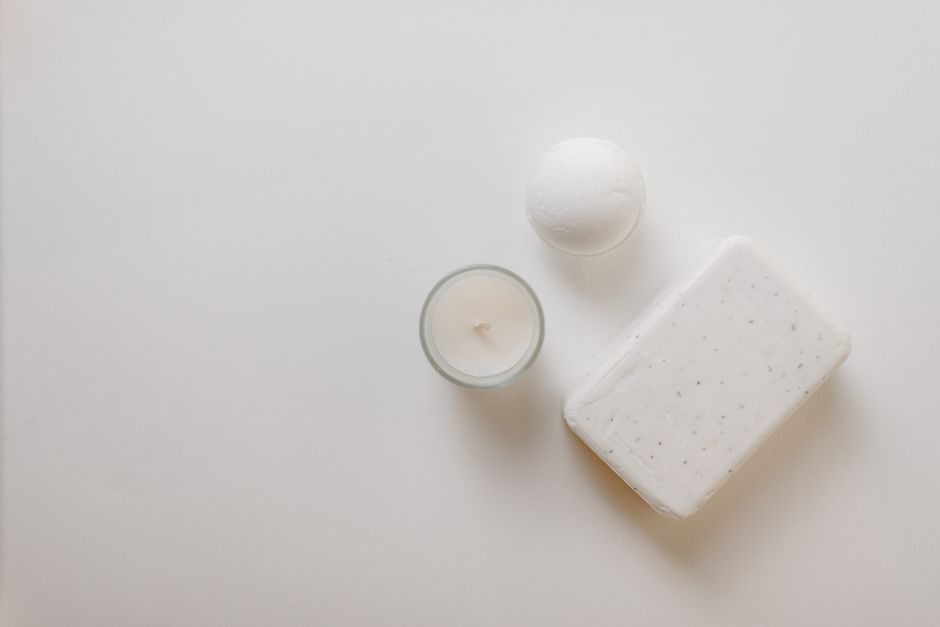
Most soap scents fade within an hour or two of stepping out of the shower. The fragrance molecules that make a bar smell like sandalwood or citrus are volatile, meaning they evaporate quickly once the soap is rinsed away. To make the scent last longer on your skin, you need to change how you use the soap, how you care for your skin afterward, and what kind of soap you buy in the first place. The single most effective step is applying an unscented moisturizer immediately after drying off, because hydrated skin holds fragrance molecules longer than dry skin does.
Why Does Soap Scent Disappear So Fast?
Soap is designed to wash away dirt, oil, and bacteria. It is not designed to hold fragrance to your skin. Unlike perfume, which contains fixatives and higher concentrations of aromatic oils, soap contains only a small amount of fragrance oil. Most of it gets rinsed down the drain before you ever step out of the shower.
The skin barrier also plays a role. Your skin naturally produces sebum, an oily substance that traps fragrance. When soap strips away that oil, there is nothing left to hold the scent. Dry skin sheds dead cells faster, and those cells carry fragrance away with them. This is why the same bar of soap can smell strong on one person and faint on another.
Fragrance molecules themselves are small and light. They evaporate at skin temperature, which is why the scent is strongest right after you dry off and weakens steadily over the next hour. No soap can completely stop this process, but you can slow it down.
How To Make Soap Scent Last Longer On Skin
The most reliable method is layering. Use the soap, then immediately apply an unscented body lotion or oil while your skin is still damp. The lotion traps the remaining fragrance molecules against your skin and slows their evaporation. This single step can extend the scent by several hours in many cases.
Apply the lotion within three minutes of drying off. Your pores are still open and your skin is still slightly damp, which helps the lotion absorb fully. If you wait until your skin is completely dry, the lotion sits on the surface instead of sinking in, and it will not hold the fragrance as effectively.
Another practical step is to leave the soap on your skin longer before rinsing. Lather thoroughly and let the foam sit for 30 to 60 seconds. This gives the fragrance oils more time to bind to your skin before the water washes them away. Do not scrub hard during this time. Gentle contact is enough.
Rinsing with cooler water also helps. Hot water opens pores and increases blood flow near the skin surface, both of which speed up fragrance evaporation. Cooler water closes the pores slightly and keeps the scent closer to the skin. You do not need a cold shower. Just turn the temperature down for the final rinse.
What Kind of Soap Holds Scent Best?
Not all soaps are equal when it comes to fragrance longevity. Cold-process soaps generally hold scent longer than mass-produced commercial bars. This is because cold-process soaps retain more natural glycerin, which is a humectant that draws moisture to the skin. More moisture on the skin means the fragrance has a better surface to cling to.
Soaps labeled “triple milled” are also a good choice. The milling process removes excess water and air, creating a denser bar. Denser bars release fragrance more slowly and last longer in the shower, which means you get more consistent scent exposure over time.
Fragrance type matters too. Heavy base notes like sandalwood, patchouli, vanilla, and amber last longer than light top notes like citrus, bergamot, and mint. Top notes evaporate quickly because their molecules are smaller. Base notes have larger molecules that linger on the skin for hours. If you want a scent that stays noticeable, choose a soap with base notes as the dominant fragrance.
Essential oil soaps can smell lovely, but they are not necessarily stronger than synthetic fragrance soaps. In fact, many essential oils are so expensive that soap makers use them sparingly. A soap with synthetic fragrance may actually have a stronger and longer-lasting scent because the fragrance can be added in higher concentration at a lower cost.


Does Skin Type Change How Long Scent Lasts?
Yes. Oily skin holds fragrance longer than dry skin. The natural oils on your skin act like a fixative, trapping fragrance molecules and slowing their release. Dry skin has fewer natural oils, so fragrance evaporates more quickly.
If you have dry skin, you may notice that soap scents fade faster on you than on someone with oily skin. The fix is the same as the general advice: moisturize immediately after showering. An unscented body oil is particularly effective for dry skin because it mimics the natural sebum that your skin is missing.
Body temperature also matters. People who run warm tend to lose fragrance faster because heat accelerates evaporation. If you naturally run hot, you may need to reapply lotion or use a matching body spray later in the day to refresh the scent.
Does Applying Perfume Over Soap Scent Work?
You can layer perfume over a soap scent, but the result depends on whether the two fragrances complement each other. If they clash, you will end up with a muddled smell that is less pleasant than either one alone.
A better approach is to buy soap and perfume from the same fragrance family. Many fragrance houses sell matching body care products. If you use a sandalwood soap and a sandalwood perfume, the scent lasts significantly longer than either product alone. The soap provides a base layer, and the perfume sits on top of it. This technique is common in professional fragrance application and is one of the most effective ways to extend scent longevity.
If you do not have matching products, choose a neutral soap with a light scent and let the perfume be the star. A heavily scented soap underneath a perfume can interfere with the perfume’s intended composition.
Common Mistakes That Kill Soap Scent
Several everyday habits shorten how long soap scent lasts on your skin. The most common is using a heavily scented body wash and then applying a strongly scented lotion. The two fragrances compete, and neither lasts as long as it would alone.
Another mistake is showering with very hot water. Hot water opens your pores wide and increases blood flow near the skin surface. Both effects speed up evaporation. If you love hot showers, you can still keep them, but finish with a 30-second cool rinse to close the pores before stepping out.
Drying off aggressively with a rough towel also removes fragrance. Rubbing your skin with a towel physically lifts away fragrance molecules along with dead skin cells. Pat your skin dry instead. This is gentler on your skin and leaves more fragrance behind.
Skipping moisturizer is the biggest mistake of all. Even if you do everything else right, dry skin will shed the fragrance within an hour. Moisturizer is not optional if you want the scent to last.
How Long Can You Expect Soap Scent To Last?
With the methods described above, a soap scent can last anywhere from two to six hours on skin. Without any extra steps, most soap scents fade within one to two hours. This is a realistic range based on how fragrance molecules behave on skin.
No soap scent will last all day. If you want a fragrance that persists for eight hours or more, you need a perfume or cologne with a higher concentration of aromatic oils. Soap is a wash-off product. It is not designed to deliver long-lasting fragrance by itself.
Some people report that certain natural soaps leave a scent on their clothes or bedding for days. That is different from skin scent. Fabric holds fragrance far longer than skin because fabric does not produce oils or shed cells. If you want your sheets to smell like your soap, that will happen naturally. But your skin will not hold the scent the same way.
Does Storing Soap Properly Affect Its Scent?
Yes, but this affects the bar itself, not your skin. Soap stored in a humid shower caddy will absorb moisture and lose fragrance strength over time. The water breaks down the soap structure and causes fragrance oils to evaporate faster.
Store your soap in a dry place between uses. A soap dish with drainage holes is ideal. If you rotate between multiple bars, keep the unused ones in a cool, dark cabinet. Heat and light degrade fragrance oils. A bar stored properly will retain its scent for months, while a bar left in a wet shower can lose most of its fragrance within two weeks.
When you buy soap, check the packaging for a “best by” date. Fragrance oils do expire. Old soap will still clean your skin, but the scent will be noticeably weaker.
Frequently Asked Questions
Does applying lotion after soap make the scent last longer?
Yes. An unscented lotion applied to damp skin within three minutes of drying traps fragrance molecules and slows their evaporation. This is the single most effective step you can take.
What soap ingredients make scent last longer on skin?
Soaps with natural glycerin and heavier base-note fragrances like sandalwood, vanilla, or patchouli tend to hold scent longer. Cold-process and triple-milled soaps are generally better choices than mass-produced bars.
Why does soap scent fade faster on dry skin?
Dry skin lacks the natural oils that trap fragrance molecules against the skin. Without those oils, scent evaporates more quickly. Moisturizing immediately after showering helps compensate for this.
Can I make any soap scent last longer, or only certain types?
You can extend any soap scent using the layering method of moisturizing on damp skin. However, soaps with light citrus or mint fragrances will still fade faster than soaps with heavy base notes regardless of your technique.
