
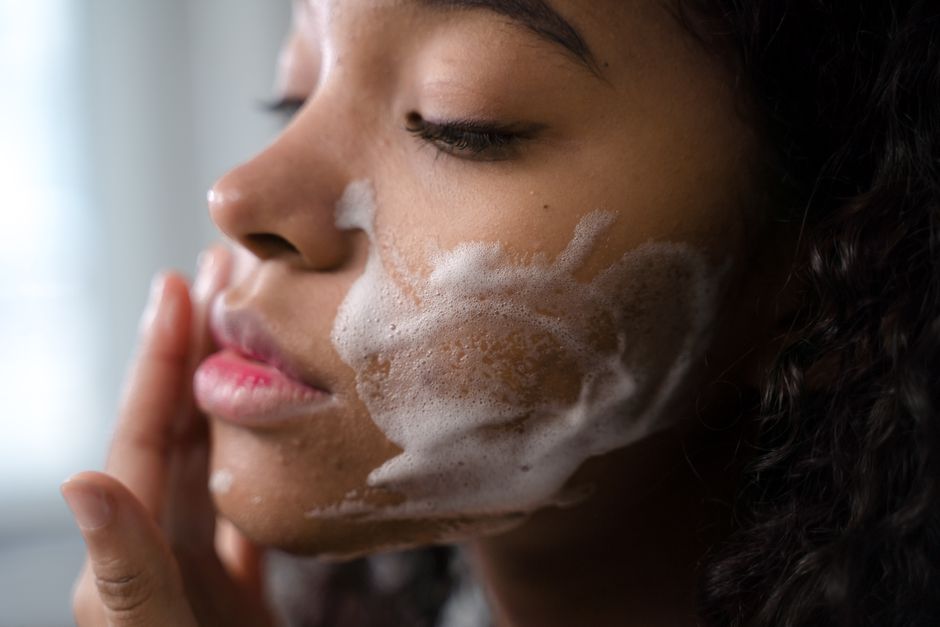
Dermatologists do not recommend one specific soap for everyone, but they consistently recommend one type of cleanser above all others: a mild, fragrance-free, non-foaming bar or liquid cleanser that matches your skin type. The most common recommendation is a gentle syndet bar (synthetic detergent bar) like Dove or Cetaphil, rather than traditional soap. Traditional soap has a high pH that strips skin of its natural oils, while dermatologist-recommended cleansers are pH-balanced to protect the skin barrier.
Why Traditional Soap Can Be Too Harsh
Traditional soap is made through a process called saponification, which combines fats or oils with an alkali. This creates a product with a high pH, usually around 9 to 10. Your skin’s natural surface pH is about 4.5 to 5.5. That difference matters.
When you wash with high-pH soap, you remove the skin’s natural oils and disrupt the acid mantle. The acid mantle is a thin, slightly acidic film on your skin that helps keep moisture in and harmful bacteria out. Disrupting it can leave your skin feeling tight, dry, and itchy. Over time, this can weaken the skin barrier and worsen conditions like eczema or acne.
This is why dermatologists often avoid the word “soap” altogether. Many prefer the term cleanser or syndet bar. Syndet bars are synthetic detergents formulated to match the skin’s natural pH. They clean without stripping the skin the way traditional soap does.
What Dermatologists Actually Look For in a Cleanser
Dermatologists evaluate cleansers based on a few key factors. The first is pH. A gentle cleanser should have a pH close to your skin’s natural range, generally between 4.5 and 6.5. Products labeled “pH-balanced” often fall into this range.
The second factor is the type of surfactant, which is the ingredient that does the cleaning. Some surfactants are harsher than others. Sodium lauryl sulfate (SLS) is a strong surfactant that can be irritating for many people. Gentler options include sodium cocoyl isethionate, cocamidopropyl betaine, and decyl glucoside. These are commonly found in cleansers designed for sensitive skin.
The third factor is what is left out. Fragrance is the most common cause of allergic contact dermatitis on the face and body. Dyes can also cause irritation. Dermatologists routinely recommend fragrance-free products for anyone with sensitive skin, eczema, or rosacea.
Finally, the cleanser should not leave a heavy film on the skin, but it also should not leave the skin feeling squeaky clean. That squeaky feeling means too much oil was removed.
Bar Soap vs. Liquid Cleanser: Which Is Better?
Both bar and liquid cleansers can be good options. The form matters less than the ingredients and pH. However, there are some practical differences.
Bar cleansers like Dove and Cetaphil are widely recommended by dermatologists. They are convenient, affordable, and effective for most people. Some people worry that bar soap harbors bacteria, but studies have shown that bar soap does not pose a significant infection risk when used by one person. Rinsing the bar briefly before use is enough to remove surface bacteria.
Liquid cleansers are often preferred for the face. They can be formulated with additional moisturizing ingredients like glycerin, ceramides, or hyaluronic acid. Liquid cleansers also tend to have more precise pH control. For people with very dry or sensitive skin, a liquid cream cleanser may be gentler than a bar.
For the body, a mild bar cleanser is usually sufficient. For the face, a gentle liquid cleanser is often a better choice. But these are general preferences, not strict rules.





What Soap Do Dermatologists Recommend for Different Skin Types?
Skin type changes the recommendation. Dermatologists match the cleanser to the skin’s needs.
Dry or sensitive skin: The priority is hydration and barrier protection. Dermatologists recommend cream cleansers or syndet bars with added moisturizers. Products with ceramides or colloidal oatmeal are common recommendations. Avoid foaming cleansers, which can be drying.
Oily or acne-prone skin: The priority is removing excess oil without over-stripping. A gentle foaming cleanser with salicylic acid or benzoyl peroxide can help. However, dermatologists caution against harsh “acne” cleansers that leave the skin dry and irritated. Irritated skin can actually trigger more oil production.
Normal skin: A balanced, mild cleanser works well. Most dermatologists recommend a simple syndet bar or a gentle gel cleanser. People with normal skin have more flexibility, but fragrance-free is still the safer choice.
Eczema or rosacea: These conditions require extra care. Dermatologists recommend cleansers that are fragrance-free, dye-free, and formulated for sensitive skin. Wash with lukewarm water, not hot water. Pat the skin dry gently rather than rubbing.
What About Antibacterial Soap?
Antibacterial soaps are not recommended for everyday use. The FDA ruled in 2016 that over-the-counter antibacterial wash products containing triclosan and certain other ingredients could no longer be marketed. The manufacturers did not prove these products were safe for long-term daily use or more effective than plain soap and water.
For routine handwashing or showering, plain soap and water is sufficient. Antibacterial soap offers no added benefit for healthy people. It may even contribute to antibiotic resistance. If you need to disinfect, hand sanitizer with at least 60% alcohol is a better option when soap and water are not available.
How Often Should You Wash Your Skin?
Washing frequency depends on the area of the body. For the face, dermatologists generally recommend washing once or twice daily. Once in the morning and once at night is a common routine. Washing more than twice a day can strip the skin and cause irritation.
For the body, daily showering is common in the United States, but it is not strictly necessary for everyone. Showering every day with a mild cleanser is fine for most people. However, if you have dry or sensitive skin, you may only need to use soap on the areas that produce odor or sweat, such as the armpits, groin, and feet. Rinsing the rest of your body with water is sufficient.
Hot water removes more oil than lukewarm water. Dermatologists consistently recommend lukewarm showers and limiting shower time to about 5 to 10 minutes.
Common Cleanser Myths Dermatologists Want You to Ignore
One common myth is that your face should feel tight and squeaky after washing. That feeling means your skin barrier has been disrupted. A good cleanser should leave your skin feeling clean but comfortable.
Another myth is that “natural” or “organic” soap is always better for your skin. Many natural soaps are actually traditional soaps with a high pH. They may contain essential oils, which are common allergens. Natural does not automatically mean gentle or hypoallergenic.
A third myth is that you need different cleansers for different seasons. Some people do adjust their routine in winter when the air is drier, but most people can use the same gentle cleanser year-round. If your skin feels tighter in winter, switch to a cream cleanser rather than a foaming one.
How to Choose a Cleanser That Works for You
Start with a mild, fragrance-free cleanser with a balanced pH. Look for terms like “gentle,” “hydrating,” or “for sensitive skin” on the label. Check the ingredient list for moisturizing ingredients like glycerin or ceramides. Avoid products with high concentrations of alcohol or strong fragrances.
If you have a specific skin condition like acne, eczema, or rosacea, consider a cleanser formulated for that condition. But even then, start with the gentlest option. You can always increase strength if needed.
Test a new cleanser on a small area of skin before using it on your whole face. If you develop redness, burning, or itching, stop using it. A good cleanser should not cause any stinging or discomfort.
If you are unsure, ask a dermatologist. They can recommend a specific product based on your skin type and concerns. A simple visit can save you money spent on products that do not work.
Frequently Asked Questions
Is Dove soap recommended by dermatologists?
Yes, Dove Beauty Bar is a syndet bar with a pH close to neutral and is widely recommended by dermatologists for normal to dry skin. It is fragrance-free in its original formula and gentle enough for daily use.
Is bar soap or liquid body wash better for your skin?
Neither is inherently better; the ingredients and pH matter more than the form. A mild, fragrance-free liquid body wash is often gentler for dry or sensitive skin, while a syndet bar is a convenient and affordable option for most people.
Can using the wrong soap cause acne or eczema?
Yes, harsh soaps with a high pH can strip the skin barrier and trigger irritation, which can worsen acne and eczema. Using a gentle, pH-balanced cleanser helps maintain the skin barrier and reduce flare-ups.
Do you need a special soap for your face?
Your face has thinner, more sensitive skin than your body, so a gentler cleanser is often a better choice. A mild, fragrance-free liquid cleanser designed for the face is a safe starting point for most people.
