
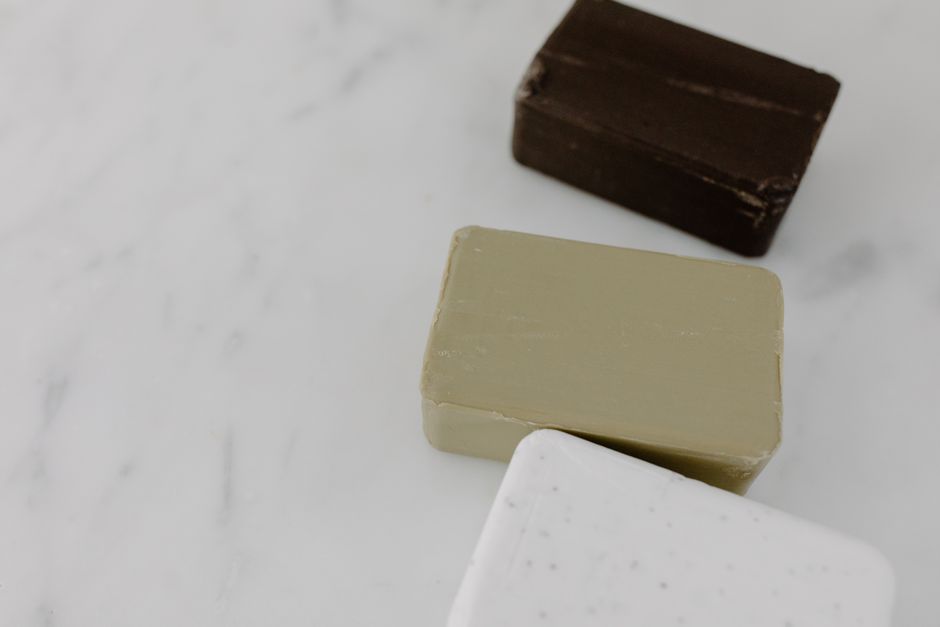
Skin has a natural pH that sits just below 7, making it slightly acidic. Soap that is pH neutral sits at 7, which is exactly in the middle of the acid-alkaline scale. For most people, a pH neutral soap is gentler than traditional bar soap, but it is not always the best choice for every skin type or every part of the body.
What Does pH Mean for Your Skin?
pH stands for “potential hydrogen.” It measures how acidic or alkaline a substance is on a scale from 0 to 14. A pH of 7 is neutral. Anything below 7 is acidic. Anything above 7 is alkaline, sometimes called basic.
Healthy skin has a pH around 4.5 to 5.5. This slightly acidic environment matters. It helps your skin hold onto moisture and supports the protective barrier that keeps irritants and harmful bacteria out.
When you wash with something too alkaline, that barrier gets disrupted. The skin can feel tight, dry, or itchy. Over time, repeated use of high-pH cleansers can leave skin more sensitive and prone to irritation.
What Is pH Neutral Soap?
pH neutral soap has a pH of approximately 7. It is neither acidic nor alkaline. Many liquid cleansers and synthetic detergent bars are formulated to be pH neutral or close to it.
Traditional bar soap is a different story. Most true bar soaps are made through a process called saponification, which combines fats with an alkali like sodium hydroxide. The finished soap often has a pH between 9 and 10. That is significantly more alkaline than your skin.
pH neutral cleansers avoid that alkaline spike. They are designed to clean without stripping the skin as aggressively.
Is pH Neutral Soap Better for Your Skin?
For many people, yes. A cleanser closer to your skin’s natural pH is less likely to cause dryness and irritation than a highly alkaline bar soap.
Research consistently shows that high-pH cleansers disrupt the skin barrier more than low-pH ones. Studies have found that washing with alkaline soap can increase water loss from the skin and reduce its ability to recover from irritation.
People with dry skin, sensitive skin, or conditions like eczema often tolerate pH neutral cleansers better than traditional soap. Dermatologists frequently recommend gentle, low-pH or pH neutral cleansers for these patients.
But “better” depends on your skin and your needs. If you have oily skin and tolerate traditional soap well, switching may not make an obvious difference. And for certain purposes, like removing heavy oils or sweat, a more alkaline soap can actually clean more effectively.



What Is the Difference Between pH Neutral and pH Balanced?
These terms are often confused, but they are not the same. “pH balanced” usually means a product is formulated to match the natural pH of skin, around 5.5. “pH neutral” means the product sits at 7.
A pH balanced cleanser at 5.5 is technically closer to your skin than a pH neutral one at 7. Some dermatologists prefer pH balanced cleansers for this reason, especially for people with dry or compromised skin.
That said, the difference between 5.5 and 7 is small compared to the difference between 7 and 10. A pH neutral cleanser is still a reasonable choice for most people. The most important thing is avoiding products that are highly alkaline.
Where Does pH Neutral Soap Work Best?
pH neutral cleansers are a solid choice for daily face washing, especially if you have sensitive or dry skin. They are also commonly recommended for cleansing areas prone to irritation.
One important exception is the vaginal area. The vagina has its own naturally acidic environment, typically around pH 3.8 to 4.5. Gynecologists generally advise against washing inside the vagina with any soap. For the external area, a mild, fragrance-free cleanser is usually fine, but even pH neutral soap can irritate some people. Warm water alone is often sufficient.
For hand washing, pH matters less. The short contact time and the need to remove germs mean that standard soap is appropriate. Antibacterial properties come from the soap itself, not its pH.
Who Should Avoid pH Neutral Soap?
People with fungal skin infections may need a different approach. Fungi that cause conditions like tinea versicolor thrive in slightly acidic environments. Some dermatologists recommend alkaline soaps to help treat these infections, though this is typically done under medical guidance.
People with very oily, acne-prone skin sometimes prefer a slightly more alkaline cleanser to cut through excess oil. However, the evidence that this helps acne is limited. Many dermatologists actually recommend acidic cleansers for acne because they are less irritating to the skin barrier.
If you have a skin condition, talk to a dermatologist rather than guessing. What works for one person’s skin may not work for yours.
How Do You Know If Your Soap Is pH Neutral?
Check the label. Many cleansers now state their pH directly. If it says “pH balanced” or “pH 5.5,” that is a good sign. If it says “pH neutral,” it should be around 7.
You can also test soap at home with pH test strips. Wet the soap and press the strip against it. Compare the color change to the chart that comes with the strips. These strips are inexpensive and available at most drugstores or online.
Keep in mind that dilution matters. A bar of soap in a bath or shower is diluted by water. The pH of the lather may differ slightly from the pH of the bar itself. For practical purposes, the label or a simple strip test gives you enough information.
What About Natural or Organic Soaps?
Natural and organic soaps are not automatically pH neutral. In fact, most true bar soaps made from oils and lye are alkaline, regardless of how natural the ingredients are. A handmade olive oil soap can have a pH above 9.
That does not make natural soap bad. Many people use traditional bar soap without problems. But if you are looking for a cleanser that matches your skin’s pH, “natural” is not the label to look for. Check the pH instead.
Some companies sell “syndet” bars, which are synthetic detergent bars formulated to be pH neutral or slightly acidic. These are often marketed as beauty bars or cleansing bars rather than soap.
What Should You Look For in a Cleanser?
Beyond pH, consider the other ingredients. Fragrance is a common irritant, especially for sensitive skin. Dyes and essential oils can also cause reactions in some people.
Look for a cleanser with minimal ingredients. Glycerin is a humectant that helps draw moisture into the skin. Ceramides and fatty acids support the skin barrier. These are generally beneficial additions.
If you have a diagnosed skin condition like eczema or rosacea, look for cleansers specifically tested for sensitive skin. Many dermatology brands publish their pH values and formulate with barrier health in mind.
Remember that no cleanser fixes everything. Moisturizing after washing matters just as much as what you wash with. Applying a moisturizer while skin is still slightly damp helps lock in hydration.
The Bottom Line on pH Neutral Soap
pH neutral soap is a reasonable, often gentle choice for most people. It is less likely to disrupt your skin barrier than traditional alkaline bar soap. For people with dry or sensitive skin, it can make a noticeable difference.
But pH is only one factor. Your skin type, the rest of your routine, and how your skin reacts matter just as much. If your current cleanser leaves your skin feeling clean and comfortable, there is no urgent reason to switch. If you experience tightness, flaking, or irritation after washing, a pH neutral or pH balanced cleanser is worth trying.
Frequently Asked Questions
Is pH neutral soap the same as pH balanced soap?
No. pH neutral means the product is at pH 7. pH balanced usually means the product is formulated to match skin’s natural pH of about 5.5.
Can pH neutral soap help with eczema?
Many dermatologists recommend pH neutral or pH balanced cleansers for eczema because they are less likely to irritate the skin barrier than alkaline soap. However, you should follow your dermatologist’s specific advice for your condition.
Is it safe to use pH neutral soap on my face every day?
Yes, for most people a pH neutral cleanser is gentle enough for daily facial use. If you have very oily skin, you may prefer a slightly more acidic cleanser, but pH neutral is generally a safe starting point.
Does pH neutral soap kill bacteria?
Soap removes bacteria through washing and rinsing, regardless of its pH. The pH of the soap does not determine its ability to clean your hands or remove germs.
