
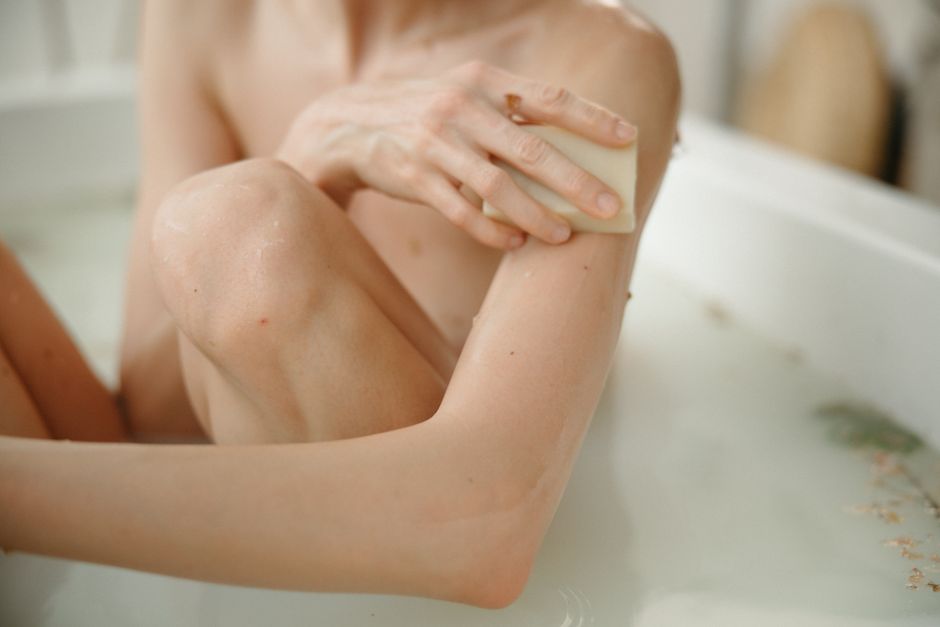
Soap can dry out your skin, but it does not have to. The drying effect depends on the type of soap you use, how often you use it, and the natural condition of your skin. Traditional bar soaps are more likely to strip moisture, while modern synthetic cleansers and moisturizing formulas are designed to clean without causing the same level of dryness. The good news is that switching to a gentler cleanser and adjusting your washing habits can make a noticeable difference.
Why Does Soap Dry Out Skin?
Your skin has a natural protective barrier. This barrier is made of oils, fats, and proteins that keep moisture in and irritants out. The medical term for this is the acid mantle, and it sits on the outermost layer of your skin.
Traditional soap works by binding to oils and dirt so they can be rinsed away with water. This process works well for cleaning, but it does not discriminate. It removes the good oils your skin needs just as easily as it removes the bad ones. When too many natural oils are stripped away, the skin loses water faster than it can replace it. The result is that familiar tight, itchy, or flaky feeling after washing.
The pH of soap also plays a role. Your skin is naturally slightly acidic, with a pH around 4.5 to 5.5. Many traditional bar soaps have a higher pH, often in the range of 9 to 10. Using a high-pH product can temporarily disrupt the skin’s acid mantle. Research consistently shows that this disruption can impair the skin barrier and increase water loss from the skin.
Are All Soaps The Same?
No. The word “soap” is used loosely, but the chemistry is different depending on the product.
Traditional bar soap is made through a process called saponification, which combines fats or oils with an alkali like lye. These are the classic bars that lather well and clean thoroughly. They are also the most likely to leave your skin feeling dry.
Synthetic detergent bars, often labeled as “syndets,” are different. They are made from synthetic cleansing agents rather than true soap. These bars are common in drugstores and are formulated to have a pH closer to your skin’s natural level. They tend to be much gentler and are a better option for people with dry or sensitive skin.
Moisturizing bars contain added oils, glycerin, or other humectants. Glycerin draws water into the outer layer of the skin, which can help offset the drying effect of cleansing. However, even moisturizing bars can dry out skin if they are true soaps with a high pH.
Liquid body washes and shower gels are usually synthetic cleansers. Many contain added moisturizers and are formulated to be milder than bar soap. They are generally a safer choice for dry skin, but the specific ingredients matter. Some liquid cleansers contain sulfates, which are strong detergents that can still be drying.
What Does Soap Do To The Skin Barrier?
Your skin barrier is not just a passive layer. It is a complex structure with several functions. It keeps water inside your body, blocks harmful microorganisms, and protects against environmental irritants.
The barrier is made of skin cells surrounded by lipids, which are fats. These lipids act like the mortar between bricks. When soap strips away these lipids, the “mortar” weakens. Water can then escape more easily, and irritants can get in more easily. This is called increased transepidermal water loss, which is a measurable sign of a compromised skin barrier.
When the barrier is weakened, skin becomes more sensitive. It may react to products that never bothered you before. It can become red, itchy, or inflamed. In some cases, this can trigger or worsen conditions like eczema. Studies have found that people with eczema often have a weaker skin barrier to begin with, making them more vulnerable to the drying effects of harsh soap.
Your skin can recover from this damage. The barrier regenerates over time, but it takes days to weeks depending on the severity of the damage and your overall skin health. Repeated exposure to harsh soap without giving the skin time to recover can keep the barrier in a constant state of impairment.

Who Is Most Likely To Get Dry Skin From Soap?
Some people are more prone to soap-related dryness than others. Age is a major factor. As you get older, your skin produces fewer natural oils. The barrier becomes thinner and less efficient at holding moisture. This is why dry skin becomes more common after age 40 and especially after 60.
Climate matters too. Cold, dry air in winter pulls moisture from the skin. Using harsh soap during these months compounds the problem. The same is true for people who live in arid climates or spend time in heated indoor environments, which have very low humidity.
Frequent washing increases the risk. Healthcare workers, food handlers, and parents of young children often wash their hands many times a day. Each wash strips a little more oil from the skin. Without enough time between washes for the skin to replenish its oils, dryness becomes almost inevitable.
People with existing skin conditions are also at higher risk. If you have eczema, psoriasis, or rosacea, your skin barrier is already compromised. Harsh soap can make these conditions worse and trigger flare-ups.
What Are Better Options Than Traditional Soap?
If soap is drying out your skin, you do not have to stop cleansing. You just need to choose products that are less disruptive.
Look for synthetic cleansers. Check the label for words like “syndet,” “soap-free,” or “pH balanced.” These products clean without the high pH of traditional soap. They are widely available and are often labeled as suitable for sensitive skin.
Choose fragrance-free products. Fragrances are a common cause of skin irritation. They do not add any cleansing benefit. Fragrance-free products are less likely to cause dryness and irritation, especially for people with sensitive skin.
Consider oil-based cleansers. Some cleansers use oils that bind to the oils on your skin and rinse off with water. These are very gentle and can actually help maintain the skin barrier. They are a good option for people with very dry skin, though they may not feel as “squeaky clean” as traditional soap.
Use moisturizing body washes. Many body washes contain ingredients like glycerin, ceramides, or hyaluronic acid. These ingredients help draw moisture into the skin or help the skin retain it. Look for these on the ingredient list.
For hand washing, a gentle liquid hand soap is usually better than a bar soap. Hand washing is frequent, so the cumulative drying effect is greater. A moisturizing hand wash can help reduce the impact.
How Can You Prevent Soap-Related Dryness?
Product choice matters, but so does technique. Small changes in how you wash can reduce the drying effect significantly.
Use lukewarm water instead of hot water. Hot water strips oils from the skin much faster than warm or cool water. Hot water also dilates blood vessels, which can increase redness and irritation.
Keep washing time short. The longer soap stays on your skin, the more it can strip away. A quick wash is usually sufficient for everyday cleaning. Long, hot showers with lots of soap are a common cause of dry skin.
Pat your skin dry instead of rubbing. Rubbing with a towel can physically remove the outer layer of skin cells and any remaining moisture. Patting gently leaves some moisture on the skin, which can be beneficial.
Apply moisturizer within a few minutes of drying. This is one of the most effective habits for preventing dry skin. Moisturizers work by trapping water in the skin. Applying them while your skin is still slightly damp helps lock in that moisture. Thicker creams and ointments are generally more effective than lotions for dry skin.
For people with very dry or sensitive skin, some dermatologists recommend reducing how often you use soap on certain areas. The armpits, groin, and feet may need soap, but the arms and legs often do not. Rinsing with water alone may be enough for these areas on most days.
Does Soap Dry Out Skin? Causes And Better Options
The answer is yes for traditional soap, but not necessarily for all cleansers. The drying effect comes from the high pH and the oil-stripping nature of true soap. Better options include synthetic detergent bars, moisturizing body washes, and fragrance-free liquid cleansers. These products clean effectively while doing less damage to your skin barrier.
If you have tried gentler products and your skin is still dry, it is worth considering other factors. Your water might be hard, meaning it contains high levels of minerals that can dry the skin. Your environment might be very dry, especially in winter. Or you might have an underlying skin condition that needs medical attention.
A dermatologist can help identify the specific cause of your dryness and recommend products tailored to your skin type. Persistent dryness that does not improve with moisturizing and gentler cleansers is worth a professional evaluation.
Frequently Asked Questions
Is bar soap worse than liquid soap for dry skin?
Traditional bar soap is usually worse because it has a higher pH and strips more natural oils. Liquid body washes and synthetic detergent bars are typically gentler and better for dry skin.
How long does it take for skin to recover from soap dryness?
Mild dryness can improve within a few days if you stop using the harsh soap and moisturize regularly. More significant barrier damage can take one to two weeks or longer to fully recover.
Can using soap on your face cause acne?
Harsh soap can strip the skin and trigger excess oil production, which may worsen acne for some people. A gentle, non-comedogenic facial cleanser is usually a better choice than body soap.
What is the best soap for people with sensitive skin?
Synthetic detergent bars and fragrance-free liquid cleansers are the best options because they have a pH closer to your skin’s natural level. Look for products labeled “soap-free” or “pH balanced.”
