
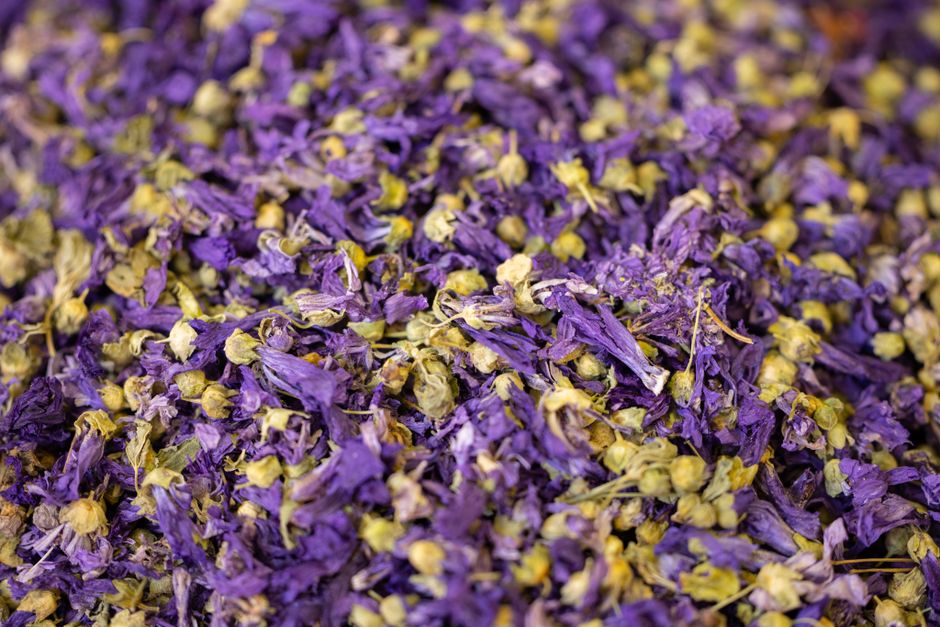
Pennyroyal tea is a traditional herbal drink made by steeping the leaves of the pennyroyal plant in hot water. It has a long history of folk use for digestion and menstrual complaints, but it is also one of the most dangerous herbs in common circulation. The essential oil in pennyroyal is toxic to the liver and can cause organ failure, and even tea made from the leaves carries real risk.
What Is Pennyroyal and Where Does It Come From?
Pennyroyal is the common name for two different plants in the mint family. One is Mentha pulegium, a European species sometimes called European pennyroyal. The other is Hedeoma pulegioides, an American plant known as American pennyroyal. Both have small leaves and a strong mint-like smell.
The name comes from the Latin pulex, meaning flea. People once used the plant to repel fleas and other insects. The dried leaves were scattered in homes and rubbed on animals. That practice faded as safer insecticides became available.
Both plants contain a volatile oil rich in a compound called pulegone. Pulegone is the source of pennyroyal’s strong mint odor. It is also the source of its toxicity. The liver converts pulegone into a substance called menthofuran, which damages liver cells. This is the core reason pennyroyal is dangerous, and it applies to the tea as well as the oil.
Pennyroyal grows wild in parts of Europe and North America. It is sold as a dried herb, often labeled for use as a tea. That labeling does not mean it is safe to drink.
How To Make Pennyroyal Tea
The traditional method is simple. Pour hot water over a small amount of dried pennyroyal leaves and let them steep for several minutes, then strain. Some traditional recipes call for a teaspoon of dried herb per cup.
Understanding how the tea is made matters because it helps explain the risk. Steeping leaves in water pulls out some pulegone, but far less than you would get from the concentrated essential oil. That difference is real. It does not make the tea safe.
The amount of pulegone in any batch of tea varies widely. It depends on the plant species, where it grew, when it was harvested, and how it was dried and stored. Two cups of tea from different sources can contain very different amounts of the toxic compound. There is no reliable way for a consumer to measure this at home.
This variability is a key point. A person cannot know how much pulegone they are consuming, so there is no way to make pennyroyal tea reliably safe by adjusting the recipe.
What Are the Claimed Benefits of Pennyroyal Tea?
Pennyroyal has been used for centuries to treat digestive upset, colds, and menstrual problems. It was also historically used to try to end pregnancies. These uses come from traditional practice, not from modern clinical trials.
There is a genuine gap between traditional use and demonstrated benefit. No well-controlled human trials have confirmed that pennyroyal tea effectively treats any medical condition. The claims rest on folklore and historical practice, not on evidence that would meet modern standards.
This gap matters because the plant is not harmless. A substance can be both ineffective and dangerous. With pennyroyal, the evidence for harm is far stronger than the evidence for benefit.
Some of the traditional uses are also the most dangerous. Using pennyroyal to induce menstruation or end a pregnancy is a well-documented cause of serious poisoning. This is not a safe or effective method for any reproductive purpose.




What Are the Risks of Pennyroyal Tea?
The main risk is liver damage. Pulegone and its breakdown product menthofuran are toxic to the liver, and this toxicity is the most serious concern linked to pennyroyal. Documented cases of serious illness and death have followed ingestion of pennyroyal oil, and liver injury has also been reported after drinking pennyroyal tea.
Pennyroyal is also a known abortifacient, meaning it can cause miscarriage. This is not a theoretical concern. Cases of poisoning in people attempting to end a pregnancy are well documented, and these have included serious harm and death. Anyone who is pregnant or could be pregnant should not use pennyroyal in any form.
Other reported effects include nausea, vomiting, abdominal pain, dizziness, and confusion. In serious poisonings, these can progress to seizures, organ failure, and coma. The essential oil is far more concentrated and more dangerous than the tea, but the tea is not risk-free.
Pennyroyal can also interact with other substances processed by the liver. Because it affects liver enzymes, combining it with medications, alcohol, or other herbal products could increase the risk of harm. The full extent of these interactions is not well studied.
Is Pennyroyal Tea Safe To Drink?
No reliable safe dose of pennyroyal tea has been established. This is the honest position, and it is the most important thing to understand about this herb.
Regulatory and poison control sources have long warned against taking pennyroyal by mouth in any form. The essential oil is clearly dangerous. The tea is less concentrated but still carries a real risk of liver injury, and the amount of toxin varies from batch to batch.
There is a common assumption that herbal teas are gentle because they are natural and diluted. With pennyroyal, that assumption is wrong. The toxic compound is present in the plant itself, not just in the extracted oil.
If you are considering pennyroyal tea for any reason, the evidence does not support using it. If you have already consumed it and feel unwell, seek medical care and tell them what you took. Do not wait to see whether symptoms pass.
Safer Alternatives for the Same Complaints
People often reach for pennyroyal tea to address digestive discomfort or menstrual cramps. For these, several herbs have a better safety record. Peppermint and ginger are commonly used for digestive upset, and both are widely regarded as safe in normal food and tea amounts. Chamomile is another gentle option.
For menstrual cramps, some evidence supports the use of certain herbs and supplements, though the strength of that evidence varies. Heat, rest, and standard over-the-counter pain relievers are well-established options that many people find effective.
The key difference is not that these alternatives are proven to do everything pennyroyal is claimed to do. It is that they do not carry the same documented risk of liver failure and poisoning.
If you have a persistent symptom that you are trying to treat with an herbal tea, that symptom deserves a medical evaluation. A tea is not a substitute for a diagnosis.
| Herb | Common Traditional Use | Safety Profile |
|---|---|---|
| Pennyroyal | Digestion, menstrual complaints | Liver toxicity; not recommended by mouth |
| Peppermint | Digestive upset | Generally regarded as safe in normal amounts |
| Ginger | Nausea, digestion | Generally regarded as safe in normal amounts |
| Chamomile | Relaxation, mild digestive upset | Generally regarded as safe for most people |
What To Do If You Have Pennyroyal at Home
If you have dried pennyroyal or pennyroyal oil in your home, treat it with care. The oil is especially dangerous and should not be swallowed. Keep both out of reach of children and pets.
If someone has swallowed pennyroyal oil or a large amount of the tea, contact a poison control center or emergency services right away. Symptoms of serious poisoning can include vomiting, abdominal pain, dizziness, and confusion, and these can worsen quickly. Do not wait for symptoms to become severe before getting help.
If you are simply curious about the herb after reading about its history, the safest choice is not to drink it. There is no health benefit that justifies the documented risk.
Frequently Asked Questions
Is pennyroyal tea safe to drink?
No reliable safe dose of pennyroyal tea has been established, and it carries a real risk of liver injury. Poison control and regulatory sources warn against taking pennyroyal by mouth in any form.
What does pennyroyal do to the body?
The compound pulegone in pennyroyal is converted by the liver into a substance that damages liver cells. This can lead to nausea, vomiting, and in serious cases, liver failure.
Can pennyroyal tea cause a miscarriage?
Yes, pennyroyal is a known abortifacient and has caused serious poisoning and death in people who used it to try to end a pregnancy. It should not be used by anyone who is pregnant or could be pregnant.
What are safer herbs than pennyroyal for digestion?
Peppermint, ginger, and chamomile are commonly used for digestive complaints and are generally regarded as safe in normal food and tea amounts. None of them carry pennyroyal’s documented risk of liver toxicity.
