
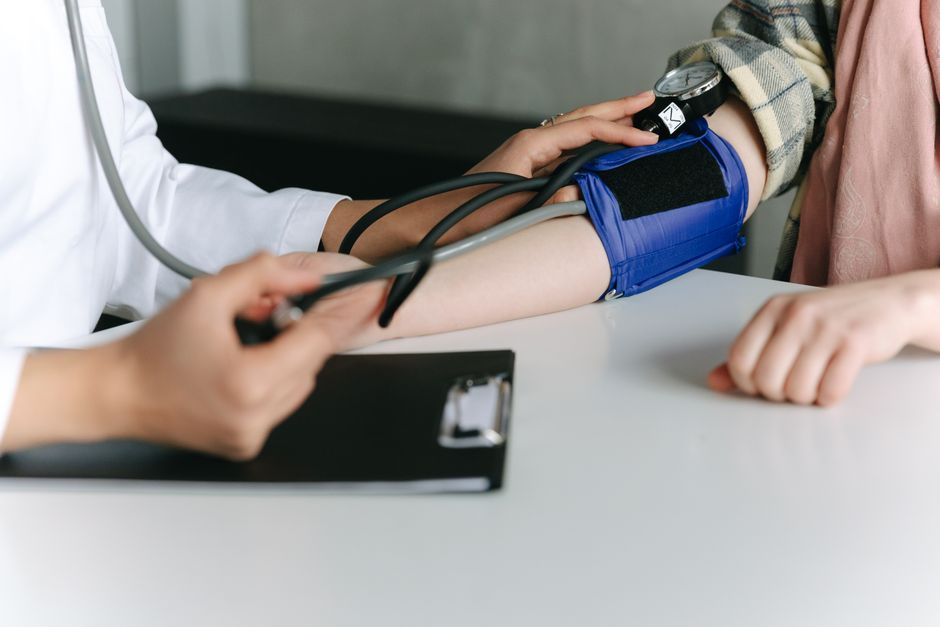
Low blood pressure, or hypotension, can make you feel dizzy, tired, or even faint. If you need to raise your blood pressure safely, the steps are straightforward but depend on the cause. First, drink two glasses of water quickly to increase blood volume. Second, eat a small salty snack like pretzels or olives to help your body retain that fluid. Third, put on compression socks or stockings to push blood from your legs back toward your heart. Fourth, if you are lying down, sit up slowly and then stand. These steps can raise blood pressure within 15 to 30 minutes for most people.
What Causes Low Blood Pressure in the First Place?
Low blood pressure is not one single condition. It has many possible triggers. Dehydration is the most common cause. When you do not have enough fluid in your body, your blood volume drops and so does your pressure.
Some medications cause low blood pressure as a side effect. Diuretics, beta-blockers, and some antidepressants are known to lower pressure. Heart conditions like bradycardia (slow heart rate) or heart valve problems can also reduce how much blood your heart pumps.
Other causes include blood loss, severe infection, or endocrine disorders like Addison’s disease. Pregnancy can cause low blood pressure too, especially in the first 24 weeks. Knowing the cause matters because the treatment changes depending on what is driving the drop.
How To Make Blood Pressure Go Up Fast With Food and Drink
The fastest way to raise blood pressure is through what you consume. Water works within minutes. It increases blood volume directly. The American Heart Association notes that dehydration is one of the most reversible causes of low pressure. Drink 16 ounces of cold water and you will often see a rise in 10 to 15 minutes.
Salt is the next tool. Sodium makes your body hold onto water. A small amount of salt — think a handful of salted nuts or a dill pickle — can raise systolic blood pressure by 5 to 10 points in some people. Do not overdo this if you have heart or kidney problems. For most healthy adults, an extra 500 to 1000 milligrams of sodium is safe for a temporary lift.
Caffeine also works for some people. It constricts blood vessels and can raise pressure slightly. A cup of coffee or black tea may help. But the effect is mild and wears off quickly. Some people get used to caffeine and see no effect at all.
What Physical Actions Help Raise Blood Pressure?
Body position matters more than most people realize. When you stand up quickly, blood pools in your legs. This is called orthostatic hypotension. To counter it, cross your legs while standing and squeeze your thigh muscles together. This pushes blood back up toward your chest and brain. It is a simple trick that works immediately.
Compression stockings are another physical tool. They apply pressure to your lower legs and prevent blood from pooling. Studies published in the Journal of Human Hypertension have shown that compression stockings can reduce symptoms of orthostatic hypotension by 50 percent or more. You can buy them over the counter. They work best when you put them on before getting out of bed in the morning.
Changing positions slowly also helps. Sit on the edge of the bed for a minute before standing. Pump your ankles a few times while sitting. These small movements get blood moving and give your body time to adjust the pressure.

Does How To Make Blood Pressure Go Up Work for Everyone?
No. The effectiveness depends entirely on what is causing the low pressure. If you are dehydrated, water and salt will work quickly. If your low pressure is from a medication, drinking water helps but you may need a doctor to adjust your prescription. If the cause is a heart condition, no amount of salt or water will fix it.
Some people have chronic low blood pressure with no symptoms. This is called constitutional hypotension. It is not dangerous and does not need treatment. The steps above will still raise their pressure, but they may not feel any different because they were not having symptoms in the first place.
People with autonomic nervous system disorders, like Parkinson’s disease or diabetes-related nerve damage, often have low pressure that is hard to treat. The body’s normal reflexes that adjust blood pressure are not working properly. For these individuals, the steps above provide only temporary relief. Long-term management usually requires medication prescribed by a specialist.
What Are the Risks of Trying to Raise Blood Pressure Too Fast?
Raising blood pressure too quickly can cause problems of its own. If you eat a large amount of salt all at once, you may get a headache, feel bloated, or retain fluid in your hands and feet. For people with kidney disease or heart failure, a sudden salt load can be dangerous.
Caffeine can cause jitters, anxiety, or a racing heart if you drink too much. Stick to one cup and wait 30 minutes before deciding if you need more. Compression stockings that are too tight can cut off circulation or cause skin irritation. Make sure they fit properly and do not leave marks on your skin after removing them.
The biggest risk is masking a serious underlying problem. If you have internal bleeding, a severe infection, or a heart rhythm problem, raising your blood pressure with home remedies delays proper treatment. If your low pressure comes with chest pain, shortness of breath, black stools, or fainting, see a doctor immediately. Do not try to fix it yourself.
How To Make Blood Pressure Go Up With Medications and Medical Options
When lifestyle steps are not enough, doctors have several medication options. Fludrocortisone is a steroid that helps your kidneys hold onto salt and water. It increases blood volume over time. Midodrine is another drug that constricts blood vessels and raises pressure. A study in the New England Journal of Medicine found midodrine raised standing systolic blood pressure by an average of 15 to 20 mmHg in people with orthostatic hypotension.
These medications are not for everyone. Fludrocortisone can cause low potassium and fluid buildup in the lungs. Midodrine can cause tingling scalp sensations and difficulty urinating. Doctors typically only prescribe them when low blood pressure causes frequent fainting or makes it impossible to stand for daily activities.
There is also a newer option called droxidopa. It is converted into norepinephrine in the body, which tightens blood vessels. It is specifically approved for people with neurogenic orthostatic hypotension, a type caused by nerve damage. Research shows it improves symptoms in about 60 percent of people who try it.
Common Misconceptions About Raising Blood Pressure
One widespread myth is that drinking alcohol raises blood pressure. It does not. Alcohol actually dilates blood vessels and can lower pressure further. That glass of wine or beer will likely make dizziness worse, not better.
Another myth is that lying flat with your feet up always helps. It can help if you are dizzy from standing, but it only works while you are lying down. As soon as you stand again, the blood falls back into your legs. You need the compression stockings or muscle contractions to maintain the effect.
Some people think that eating a large meal will raise pressure. The opposite is true for many. After eating, blood flows to your digestive system, which can lower pressure elsewhere in the body. This is called postprandial hypotension. Small, frequent meals work better than large ones if you have this problem.
| Method | How Fast It Works | How Long It Lasts | Best For |
|---|---|---|---|
| Drinking 16 oz water | 10-15 minutes | 1-2 hours | Dehydration-related low pressure |
| Eating salty snack | 20-30 minutes | 2-4 hours | Mild chronic low pressure |
| Caffeine drink | 15-30 minutes | 1-3 hours | Temporary morning dizziness |
| Compression stockings | Immediate when worn | All day while worn | Orthostatic hypotension |
| Midodrine medication | 1-2 hours | 4-6 hours | Frequent fainting episodes |
When Should You See a Doctor About Low Blood Pressure?
Occasional dizziness when standing up is usually not a concern. But there are clear signs that you need medical help. If you faint, even once, see a doctor. If your blood pressure reading is consistently below 90/60 mmHg and you have symptoms, do not ignore it.
Other warning signs include chest pain, severe headache, blurred vision, or nausea along with low pressure. These could point to internal bleeding, a heart attack, or a severe allergic reaction. Black or bloody stools are another red flag that suggests gastrointestinal bleeding.
If your low blood pressure started after you began a new medication, call your prescribing doctor. Do not stop the medication on your own. Some drugs need to be tapered off slowly. Your doctor can adjust the dose or switch you to something else.
For most people, low blood pressure is manageable with the simple steps described in this article. Water, salt, compression stockings, and slow position changes cover the vast majority of cases. But if those do not help, or if symptoms are getting worse, a medical evaluation is the next step.
Frequently Asked Questions
Can drinking coffee raise low blood pressure quickly?
Yes, coffee can raise blood pressure slightly within 15 to 30 minutes by constricting blood vessels. The effect is mild and fades within a few hours.
Is it safe to eat more salt to raise blood pressure?
For most healthy people, adding a small amount of salt is safe for temporary use. People with kidney disease or heart failure should not increase salt without a doctor’s approval.
How long does it take for compression stockings to work?
Compression stockings work immediately when you put them on and continue working as long as you wear them. They prevent blood from pooling in your legs.
What is the most common cause of low blood pressure?
Dehydration is the most common cause of temporary low blood pressure. Drinking water usually raises it back to normal within 15 to 20 minutes.
