
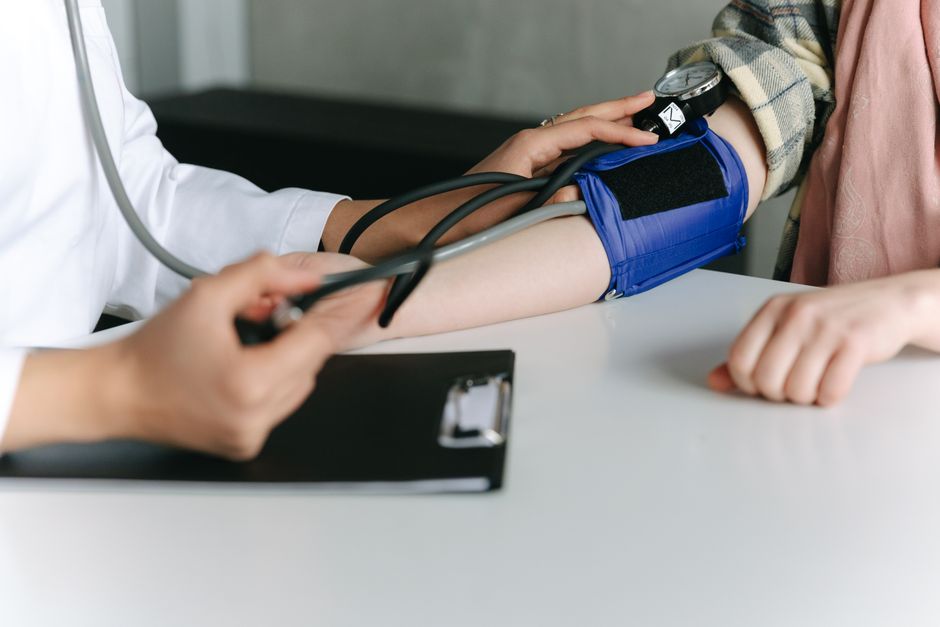
Low blood pressure, also called hypotension, is not always a problem. Many people with low numbers feel fine and live long healthy lives. But when blood pressure drops too low, it can cause dizziness, fainting, and even shock. The medical definition is a reading below 90/60 mmHg. If you have symptoms, the cause matters most. Some causes are simple to fix. Others need a doctor’s help. This article explains what low blood pressure means, what causes it, and what you can actually do about it.
What Does the Number 90/60 Really Mean for Your Health?
Blood pressure has two numbers. The top number is systolic pressure. That is the pressure when your heart beats. The bottom number is diastolic pressure. That is the pressure when your heart rests between beats. A reading of 90/60 or lower is considered low.
But here is the key point that most articles get wrong. Low blood pressure is only a medical problem if you have symptoms. The American Heart Association states that hypotension is not defined by a number alone. It is defined by symptoms plus a low number. Many athletes and young adults naturally run below 90/60 and have no issues at all.
What matters is the trend. If your blood pressure has always been around 110/70 and it drops to 85/55, that change is more important than the number itself. Your body adapts to its normal range. A sudden drop can cause problems even if the new number is not extremely low by medical standards.
What Causes Blood Pressure to Drop Too Low?
Several things can lower your blood pressure. Some are temporary and harmless. Others signal a deeper health issue. Here are the most common causes backed by evidence.
Dehydration is one of the most common causes. When you lose more water than you take in, your blood volume drops. Less blood means less pressure against your artery walls. This is especially common in hot weather or after exercise. The CDC reports that even mild dehydration can lower blood pressure noticeably in some people.
Medications are another major cause. Blood pressure drugs, diuretics, antidepressants, and medications for Parkinson’s disease can all lower pressure. This is often intentional with blood pressure medicines, but the dose may be too high for you. Never stop taking a prescription without talking to your doctor first.
Heart problems can cause low blood pressure too. A weak heart muscle, slow heart rate, or heart valve issues can reduce the amount of blood pumped with each beat. The American College of Cardiology notes that this type of hypotension often needs medical treatment.
Blood loss from an injury or internal bleeding drops blood pressure quickly. So can severe infections that enter the bloodstream. These are emergencies. If you have low blood pressure with confusion, cold clammy skin, or rapid breathing, seek emergency care immediately.
Pregnancy often causes lower blood pressure, especially in the first 24 weeks. This is usually normal and temporary. Your body makes more blood vessels during pregnancy, which spreads the same blood volume over a wider area.
Why Is My Blood Pressure Low And What Can You Do About It at Home?
If you have mild symptoms like occasional dizziness when standing up, some simple changes can help. These are not treatments for serious underlying conditions. They are practical adjustments for people who run naturally low.
Drink more water. This is the simplest fix. Aim for 6 to 8 glasses per day unless your doctor has told you to limit fluids. Water increases blood volume and prevents dehydration-related drops. One study in the Journal of Human Hypertension found that drinking about 16 ounces of water raised blood pressure in people with low pressure within 20 to 30 minutes.
Eat small frequent meals. Large meals pull blood to your digestive system. This can cause a drop in blood pressure called postprandial hypotension. Eating smaller meals more often reduces this effect. Some people find that limiting carbohydrates at meals also helps.
Add more salt to your diet. This advice is the opposite of what you hear for high blood pressure. But for low pressure, sodium helps retain water and raises blood volume. Talk to your doctor first. Some people with heart or kidney conditions should not increase salt. For others, adding a little extra salt to meals can make a real difference.
Wear compression stockings. These tight socks help push blood up from your legs back toward your heart. They are especially helpful if you get dizzy when standing. Medical-grade compression stockings work better than drugstore versions. Look for 20 to 30 mmHg compression strength.
Stand up slowly. This is not a fix for the cause, but it prevents falls. When you stand up quickly, blood pools in your legs and your brain gets less oxygen for a moment. This causes the head rush. Standing slowly gives your body time to adjust.

What Does Research Show About Treating Low Blood Pressure?
Research on low blood pressure is not as extensive as research on high blood pressure. But some studies provide useful guidance. The strongest evidence supports treating the underlying cause rather than the number itself.
For people with chronic low blood pressure and symptoms, a 2018 review in the American Family Physician journal recommended increasing fluid and salt intake as first-line options. If that does not work, medications like fludrocortisone or midodrine may be prescribed. These drugs raise blood pressure by helping the body retain salt and water or by constricting blood vessels.
For postprandial hypotension, research published in Hypertension found that drinking water before a meal can reduce the drop. Drinking about 16 ounces of water 15 to 20 minutes before eating helped in the study. The effect was modest but real.
For people with low blood pressure from nerve damage, such as in diabetes, studies suggest that raising the head of the bed by 6 to 9 inches can help. This reduces the amount of blood that pools in the legs overnight and makes morning dizziness less likely.
One thing the research consistently shows is that caffeine has a very small and short-lived effect on blood pressure. Some people report that coffee helps their symptoms. But the evidence does not support relying on caffeine as a treatment. The effect wears off within a few hours and does not fix the underlying cause.
How Does Low Blood Pressure Compare to High Blood Pressure?
Understanding the difference helps you know what matters for your health. Here is a simple comparison.
| Factor | Low Blood Pressure | High Blood Pressure |
|---|---|---|
| Typical reading | Below 90/60 | Above 130/80 |
| Symptoms | Dizziness, fainting, fatigue | Often none until late stages |
| Common cause | Dehydration, medication, heart issues | Genetics, diet, lack of exercise |
| Diet advice | More salt and fluids | Less salt, more vegetables |
| Risk if untreated | Falls, fainting, shock | Heart attack, stroke, kidney damage |
| Medication approach | Rarely needed, treats cause | Often needed long-term |
Both conditions deserve attention, but they require opposite approaches. That is why you should never assume that what helps one person will help another. Getting an accurate diagnosis is the only safe path forward.
When Should You See a Doctor About Low Blood Pressure?
You do not need to see a doctor just because your reading is low. But you should make an appointment if you have symptoms that affect your daily life. The National Institutes of Health recommends seeing a doctor if you have any of these signs.
- Frequent dizziness or lightheadedness, especially when standing
- Fainting episodes, even if brief
- Blurred vision that comes and goes
- Nausea that happens with position changes
- Fatigue that does not improve with rest
- Trouble concentrating or confusion
Go to the emergency room if you have low blood pressure with chest pain, severe headache, shortness of breath, black or bloody stool, or fever above 101 degrees. These can signal a serious condition like internal bleeding, heart attack, or sepsis. Do not wait to see if it passes.
Your doctor will check your blood pressure in different positions — lying, sitting, and standing. They may order blood tests to check for anemia, thyroid problems, or electrolyte imbalances. An electrocardiogram or echocardiogram might be needed if a heart problem is suspected.
One thing many people do not realize is that some cases of low blood pressure are caused by medications for other conditions. If you take multiple drugs, a medication review can sometimes solve the problem without new tests or treatments. This is especially common in older adults who take several prescriptions.
Frequently Asked Questions
Can low blood pressure cause a heart attack?
Low blood pressure itself does not cause a heart attack. But a sudden drop in blood pressure can be a sign that a heart attack is happening.
Is 90/60 blood pressure too low for everyone?
No. Many healthy people live normally at 90/60. It is only a problem if you have symptoms like dizziness or fainting.
Does drinking coffee help low blood pressure?
Caffeine can raise blood pressure slightly for a few hours. But the effect is small and temporary, so it is not a reliable treatment.
What is the best position to sleep in with low blood pressure?
Sleeping with your head slightly raised, about 6 to 9 inches, can help reduce morning dizziness for some people with chronic low blood pressure.
