
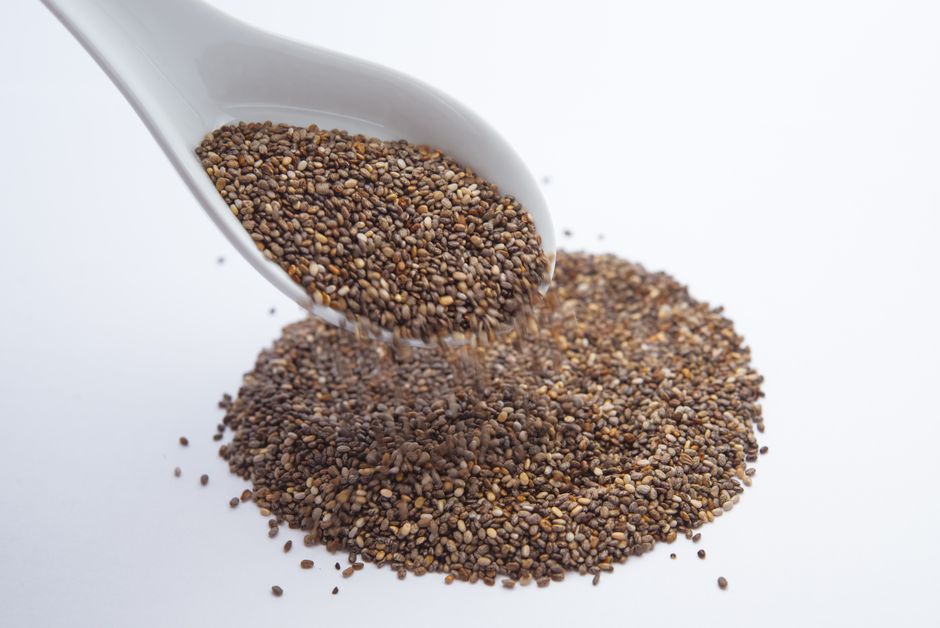
Making black seed oil at home is possible, but it requires the right equipment and careful attention to safety. The most reliable method uses cold pressing, which crushes the seeds to release their oil without heat. Because the oil is rich in compounds that can degrade, proper storage and careful handling matter just as much as the pressing itself.
What Is Black Seed Oil?
Black seed oil comes from the seeds of Nigella sativa, a flowering plant native to parts of Asia and the Mediterranean. The seeds are small, black, and triangular. People have used them in cooking and traditional medicine for centuries.
The oil contains thymoquinone, a compound studied for its antioxidant and anti-inflammatory properties. Research is ongoing, and while some studies show promise, many claims about black seed oil go beyond what current evidence supports. It is not a cure for any disease, and no clinical trials have confirmed it can treat serious conditions.
How To Make Black Seed Oil: The Cold Press Method
The only practical way to make real black seed oil at home is with a cold press oil expeller. These machines crush the seeds and separate the oil from the solid meal. Heat is generated by friction, but a true cold press keeps temperatures low enough to preserve the oil’s beneficial compounds.
You cannot extract oil by simply soaking seeds in water or leaving them in a jar. Those methods produce seed extracts or infusions, not true oil. For genuine black seed oil, a mechanical press is necessary.
Equipment You Need
- Cold press oil expeller machine
- Clean, dry black seeds
- Fine mesh strainer or cheesecloth
- Dark glass bottles with tight lids
Home expeller machines range from small manual presses to countertop electric models. Manual presses require significant physical effort and produce small amounts. Electric models cost more but work faster and more consistently.
Step-by-Step Instructions
Start with high-quality seeds. They should be dry, free of debris, and stored in a cool place. Moisture in the seeds can cause the oil to spoil quickly.
Set up your press according to the manufacturer’s instructions. Feed seeds into the machine slowly. Rushing can clog the press or cause uneven extraction. The oil will come out of one spout while the pressed seed cake comes out of another.
Collect the oil in a clean container. Run it through a fine mesh strainer or cheesecloth to remove any seed particles. Then transfer the oil to dark glass bottles. Amber or cobalt blue bottles protect the oil from light, which can degrade its quality.
Why Heat Extraction Is Not Recommended
Some online guides suggest heating seeds in oil or using a stovetop method. These approaches are not true cold pressing and can damage the oil’s chemical structure. Heat breaks down thymoquinone and other sensitive compounds, reducing potential benefits.
Solvent extraction, which uses chemicals like hexane to pull oil from seeds, is an industrial method. It is not something you can safely do at home. Commercial oils labeled “cold pressed” are produced with mechanical presses that control temperature precisely.
If you do not own a press, buying high-quality cold pressed black seed oil from a reputable brand is safer and more practical than attempting a homemade extraction method.

How To Store Black Seed Oil Properly
Black seed oil is perishable. Exposure to heat, light, and air causes it to oxidize and go rancid. Rancid oil not only tastes bad, it may also lose its beneficial properties.
Store the oil in a cool, dark place. A pantry or cupboard away from the stove works well. Refrigeration extends shelf life but may cause the oil to become cloudy or thick. This is normal and does not mean the oil has gone bad.
Use clean, dry utensils when handling the oil. Introducing water or food particles into the bottle can promote bacterial growth. Keep the lid tightly closed after each use.
Most commercially produced black seed oils have a shelf life of about one to two years when unopened. Once opened, they are best used within six months. Homemade oil may have a shorter shelf life because you cannot control every variable during production.
How To Tell If Black Seed Oil Has Gone Bad
Fresh black seed oil has a slightly bitter, peppery smell and taste. When it goes rancid, the odor becomes sharp, sour, or similar to old cooking oil. The taste becomes noticeably unpleasant and harsh.
Look for changes in appearance. Fresh oil is typically golden to dark amber. If it turns cloudy, develops sediment, or changes color significantly, it may be spoiling. Mold is a clear sign the oil is contaminated and should be discarded immediately.
When in doubt, throw it out. Consuming rancid oil can cause digestive upset and provides no health benefit.
Health Uses and What the Evidence Shows
Black seed oil is widely marketed for many health purposes. Some research suggests it may help with blood sugar control, cholesterol levels, and inflammatory conditions. A review of clinical trials published in the Journal of Endocrinology and Metabolism found some evidence that black seed supplements could improve blood sugar markers in people with type 2 diabetes. However, the studies were small and varied in quality.
Other research has explored black seed oil for asthma, allergies, and skin conditions. Results are preliminary. No large, well-designed trials have confirmed these uses.
It is important to understand that biological plausibility does not equal proven benefit. The fact that thymoquinone has antioxidant activity in a lab does not mean that consuming the oil will cure or treat any disease. Many substances show activity in test tubes but fail to produce meaningful effects in the human body.
Safety Considerations and Side Effects
Black seed oil is generally recognized as safe for most people when used in food amounts. However, concentrated oil and supplements carry more risk. Some people experience allergic reactions, including skin rashes and, in rare cases, more severe responses.
People taking blood thinners or blood pressure medications should talk to their doctor before using black seed oil. Some research suggests it may affect blood clotting and blood pressure. This interaction could be dangerous when combined with prescription medications.
Pregnant women should not use black seed oil in medicinal amounts. Some traditional uses of Nigella sativa have been linked to uterine contractions, and no safety data supports its use during pregnancy. Women who are breastfeeding should also avoid medicinal amounts because no reliable safety information exists.
Children should not be given black seed oil supplements unless a pediatrician specifically recommends it. No clinical guidelines exist for this population.
What To Look For When Buying Black Seed Oil
If making your own oil is not practical, choosing a good commercial product matters. Look for oil labeled “cold pressed” and “100 percent pure.” Check the ingredient list. It should contain only black seed oil, with no added carrier oils, preservatives, or flavorings.
Dark glass bottles are a sign of quality. Clear plastic bottles allow light to reach the oil, which accelerates spoilage. Check the harvest or expiration date when possible.
Be skeptical of marketing claims. No oil can “cure” disease, and no supplement replaces medical treatment. A reputable company will not promise miraculous results. If a product claims to treat or cure any illness, that is a red flag.
Frequently Asked Questions
Can I make black seed oil without a press?
No, you need a mechanical press to extract true oil from black seeds. Soaking or heating seeds in other oils produces an infusion, not genuine black seed oil.
How long does homemade black seed oil last?
Homemade oil typically lasts about three to six months when stored in a cool, dark place in a sealed dark glass bottle. Refrigeration may extend its life slightly.
Is black seed oil safe to take daily?
Food amounts are generally safe for most people, but medicinal doses carry more risk. Talk to your doctor first, especially if you take medications or have a medical condition.
What does black seed oil taste like?
It has a bitter, slightly peppery, and earthy flavor. Many people find it unpleasant on its own and prefer mixing it with honey or juice.
