
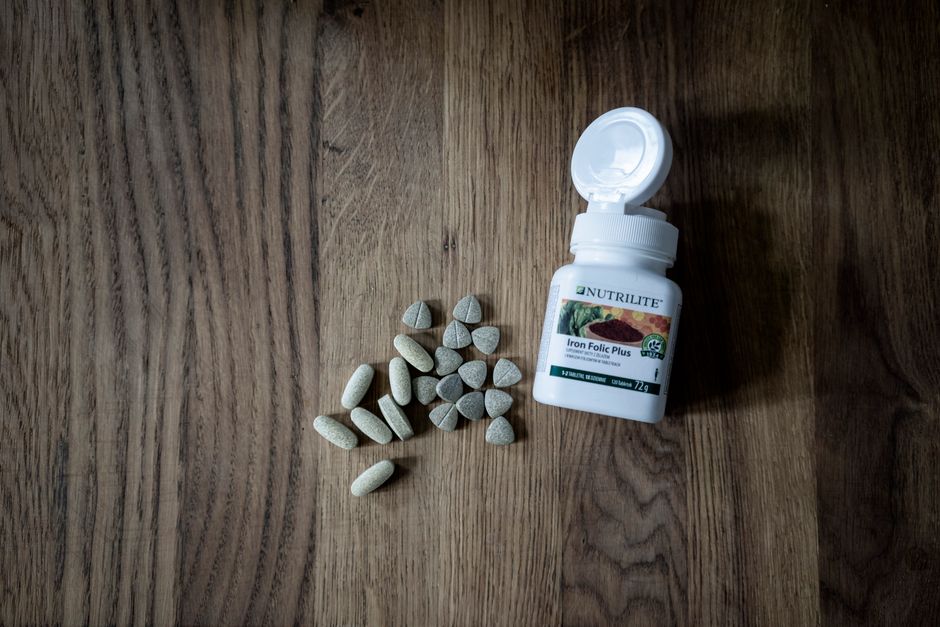
Yes — iron supplements are one of the most common causes of black stool. The color change happens when the iron your body does not absorb passes through your digestive tract and reacts with compounds in your gut, turning the stool dark.
If you recently started taking iron and noticed your stool turned black, this is usually expected. It is not a sign of bleeding on its own. But there is one important exception you need to know about, and it is covered below.
Does Iron Vitamins Cause Black Stool?
Iron supplements turn stool black through a well-understood chemical process. When you swallow an iron tablet, your body absorbs only a portion of it. The rest continues through your small intestine and colon.
In the colon, unabsorbed iron reacts with hydrogen sulfide and other sulfur-containing compounds produced by gut bacteria. This reaction forms iron sulfide, a dark, nearly black compound. Iron sulfide mixes with the stool and darkens it as it exits the body.
The same mechanism explains why iron can make stool smell different too. Sulfur compounds are involved in both the color and the odor.
This effect is dose-dependent. Higher doses of elemental iron tend to produce darker stool. It is also more noticeable with certain forms of iron, particularly ferrous sulfate, which is one of the most commonly prescribed and purchased iron supplements.
This is not dangerous. It is a predictable, harmless side effect of iron supplementation.
How Do You Know If Black Stool Is From Iron or From Bleeding?
This is the question that matters most. Black stool from iron looks different from black stool caused by internal bleeding, and the distinction is not subtle once you know what to look for.
Iron-related black stool is typically very dark — nearly black — but it stays formed. It has a normal shape and consistency. The color is uniform throughout.
Bleeding in the upper digestive tract produces a different appearance. Blood that has been exposed to stomach acid and digestive enzymes turns into a sticky, tarry substance called melena. Melena is black but has a distinctive sticky, paste-like texture. It often looks like tar or roofing asphalt. It typically has a strong, foul odor that is different from normal stool.
Here is the practical distinction:
- Iron stool: Dark or black, formed, normal shape, may have a slightly different smell
- Bleeding stool (melena): Black, tarry, sticky, pasty, unusually foul-smelling
If your stool is black but formed and you recently started iron, iron is the likely cause. If your stool is black and tarry, sticky, or has a texture you have never seen before, contact a doctor. That is true whether or not you take iron.
One more point: iron supplements can also cause constipation, which is a separate side effect. Constipation does not change the color of stool but it can affect how often you have a bowel movement.
What Other Causes of Black Stool Should You Know About?
Iron is not the only common cause of black stool. Several other factors can produce the same color change, and knowing them helps you figure out what is going on.
Bismuth subsalicylate is the active ingredient in certain stomach medicines. It reacts with sulfur in the digestive tract the same way iron does, producing black stool and sometimes a black tongue. This is harmless and reversible when you stop taking it.
Dark-colored foods can cause black stool. Black licorice, blueberries, blackberries, and foods containing activated charcoal are common culprits. Activated charcoal is increasingly found in juices, supplements, and detox products.
Upper gastrointestinal bleeding is the most serious cause. Bleeding from the stomach, esophagus, or upper small intestine produces melena. Common sources include stomach ulcers, erosive gastritis, esophageal varices, and tears in the esophagus.
Lower gastrointestinal bleeding usually produces bright red blood rather than black stool because the blood does not spend enough time in the digestive tract to be broken down. However, bleeding from the right side of the colon or the small intestine can sometimes appear dark.
When Should You Be Concerned About Black Stool?
Black stool from iron alone is not a reason for concern. But certain signs mean you should seek medical attention regardless of whether you take iron.
Contact a doctor or seek emergency care if you have black stool along with any of the following:
- Stool that is tarry, sticky, or has a texture like tar
- Dizziness, lightheadedness, or fainting
- Rapid heartbeat or shortness of breath
- Pale skin or unusual fatigue
- Vomiting blood or material that looks like coffee grounds
- Abdominal pain that is severe or getting worse
These signs suggest possible blood loss, which requires prompt evaluation. Do not wait to see if it resolves on its own.
If you are taking iron and your stool is black but you have none of these symptoms, the color change is very likely from the iron. You can mention it at your next routine appointment, but it does not require urgent care.
Can You Stop the Black Stool While Still Taking Iron?
You cannot prevent iron from darkening your stool if you are absorbing it and passing the unabsorbed portion. The color change is a direct result of how iron moves through your digestive system.
What you can do is reduce the dose if your doctor agrees, or switch to a different form of iron. Some forms are better absorbed, which means less unabsorbed iron reaches the colon. Iron bisglycinate is one example. It is often marketed as gentler on the stomach, and some people report less darkening of stool with it. The evidence for this specific claim is limited, but the absorption difference is real for some formulations.
Do not stop taking prescribed iron without talking to your doctor first. Iron deficiency anemia is a real condition that needs treatment. The black stool is a cosmetic side effect, not a reason to stop treatment on your own.
If you are taking iron for general wellness rather than a diagnosed deficiency, that is a different conversation. Iron is not a supplement that everyone needs. Too much iron can be harmful, particularly for people with certain genetic conditions like hemochromatosis. Talk to your doctor before starting iron if you have not had your levels checked.
Does Liquid Iron Also Cause Black Stool?
Yes. Liquid iron supplements can also turn stool black, though the effect may be less pronounced because liquid forms are sometimes absorbed more efficiently.
The color change depends on how much unabsorbed iron reaches the colon, not on the form itself. If you take a liquid iron supplement and enough iron remains unabsorbed, your stool will still darken.
Some people find liquid iron easier on the stomach and report fewer digestive side effects. This is a common clinical observation, though head-to-head comparisons between liquid and tablet forms are limited.
The same rules apply: black stool from liquid iron is harmless, but black tarry stool is not, regardless of what form of iron you take.
Is Black Stool From Iron a Sign Your Body Is Not Absorbing It?
Not necessarily. Everyone who takes iron supplements passes some unabsorbed iron. Your body regulates iron absorption based on your current iron stores. If your stores are low, you absorb more. If your stores are adequate, you absorb less.
That means the amount of iron reaching your colon — and the darkness of your stool — can vary depending on your iron status. Someone with severe deficiency may absorb more iron and have less stool darkening than someone with normal stores taking the same dose.
So black stool does not automatically mean the iron is not working. It simply means some iron passed through without being absorbed, which is normal.
If you are concerned about whether your iron supplement is working, the right way to check is a blood test. Your doctor can measure hemoglobin, ferritin, and other markers to see if your levels are improving. Stool color is not a reliable indicator of absorption.
Frequently Asked Questions
Does iron make your poop black?
Yes, iron supplements commonly turn stool black. Unabsorbed iron reacts with sulfur compounds in the colon to form iron sulfide, which is dark in color.
How long after taking iron does stool turn black?
Stool typically darkens within a day or two of starting iron supplements. The color usually returns to normal within a few days after stopping.
Is black stool from iron dangerous?
No, black stool from iron is harmless and expected. However, black tarry stool with a sticky texture may indicate internal bleeding and should be evaluated by a doctor.
Can iron pills cause black stool without bleeding?
Yes, iron pills cause black stool through a chemical reaction in the colon, not through bleeding. The color change is a normal side effect of unabsorbed iron.
